Driving the Extraterrestrial Highway: A Night at the Edge of Area 51
GeisTrack Editorial · 4 August 2026 · 7 min read
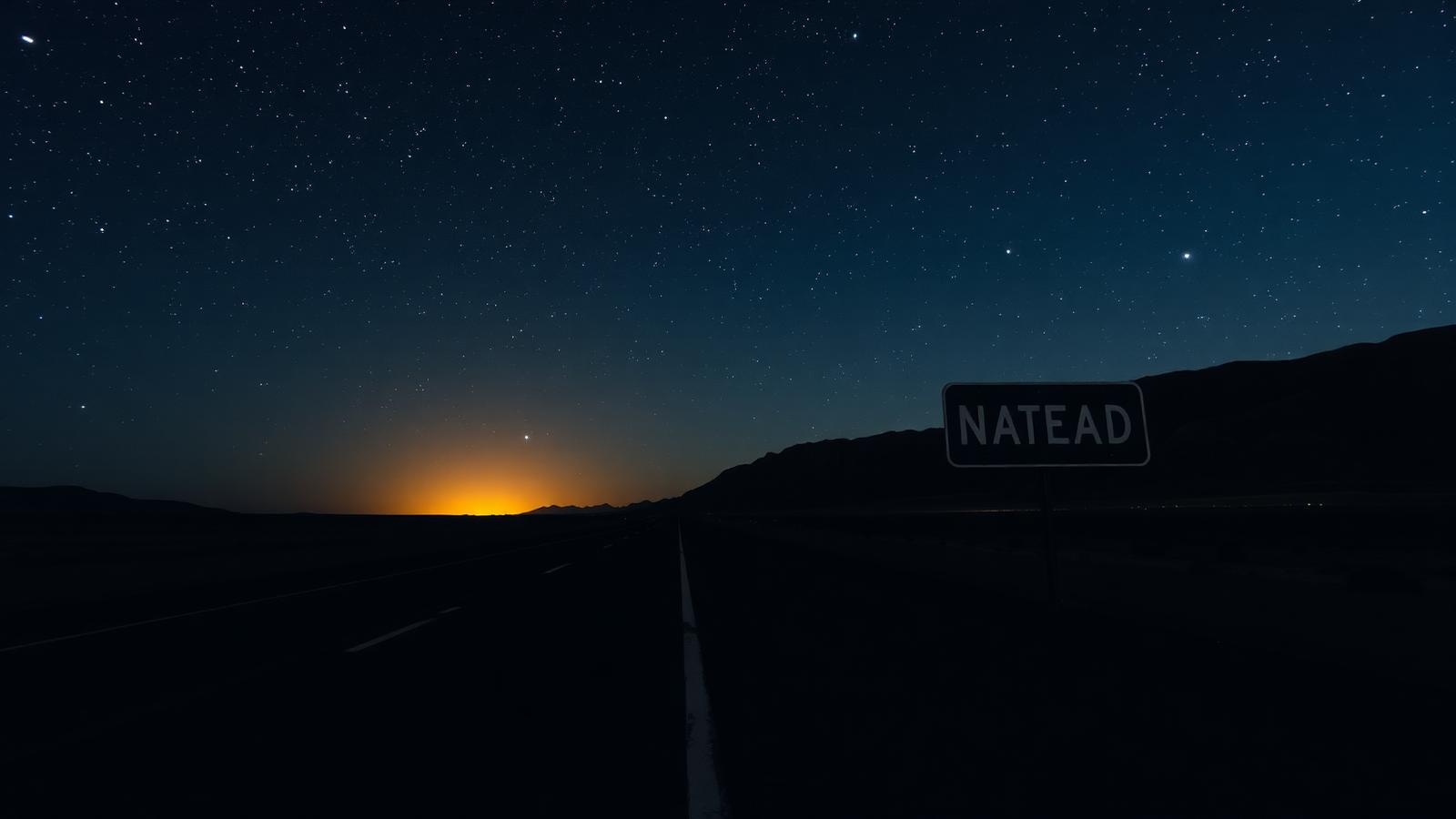
Nevada State Route 375 runs 158 kilometers past no gas stations, no cell service and the edge of a heavily guarded military zone the government denied for decades — a road trip built for stargazing and speculation.
Turning onto Nevada State Route 375 at Crystal Springs feels pretty ordinary at first. You'll see a simple junction, a cattle guard, and a sign that the state put up in 1996, proudly calling this stretch the Extraterrestrial Highway. What comes next is 158 kilometers (about 98 miles) where you won't find a single gas station, your phone will barely get a signal, and most days, fewer than a hundred cars pass by.
Make sure to fill up your gas tank in Alamo. This isn't just friendly advice; it's absolutely essential for your trip. The next place to get fuel is all the way in Tonopah, and running out of gas out here, especially in July, can be genuinely dangerous.
The road winds its way up through the Tikaboo Valley, with the Groom Range of mountains off to the west. Hidden behind those mountains is an airfield that the United States government denied even existed for 58 years. It wasn't until 2013 that a CIA document, detailing the history of the U-2 spy plane program, was released to the public and openly mentioned 'Groom Lake.' This document is actually more important than many UFO enthusiasts realize. It confirmed that a lot of the strange objects people reported seeing over Nevada in the 1950s and 60s were actually American planes flying higher than anyone thought possible.
But it also showed how good the government was at keeping secrets, which makes people wonder about everything else.
Rachel is the only town you'll find here. The Little A'Le'Inn serves burgers, offers beds in a row of trailers, and features a wall covered with photos that tell the story of sixty years of strange sightings in the desert. Make sure to chat with whoever is working behind the bar. Their personal stories are often much better than anything you'll see in a documentary.
After that, find your perfect viewing spot before it gets dark. Any of the wide pull-offs along the road will work. The classic place to stop is the Black Mailbox turnout, just south of Rachel, though the mailbox itself has been replaced, moved, and repainted so many times that its exact location is more about tradition than a fixed spot. Set up a chair, turn off your headlights, and let your eyes get used to the darkness for about forty-five minutes.
What you're likely to see: lots of satellites, more than you might expect for your first time. You'll also spot meteors, and military aircraft from Nellis Air Force Base, often flying without lights until they get close. Occasionally, you might see a flare. But on a really good night, you might just catch a glimpse of something that moves and changes direction in a way that none of those other things do.
What you absolutely must not do is cross the boundary. For most of the perimeter, there isn't a fence, just orange posts, cameras, and signs warning that deadly force is authorized. You'll notice white pickup trucks appearing on the ridgelines within minutes if anyone lingers too close to the line. People get arrested here every year, and the fines are quite hefty.
Plan your visit for spring or autumn. Always bring plenty of water, a spare tire, a paper map (your phone won't work!), and a red flashlight. And be ready to accept the deal the desert offers: you might not discover what's truly behind those mountains, but you'll spend an unforgettable night under one of the darkest skies in the United States trying.
Plan the trip
Book this journey
We may earn a commission from these partner links, at no extra cost to you.
Tiqets — Tickets & ToursTickets and guided tours for Area 51 & the Extraterrestrial HighwayBooking.com — HotelsStays in Rachel, United StatesHotels.com — HotelsCompare hotels in Rachel, United StatesAviasales — FlightsFlights to Rachel, United States (NYC)Hertz — Car RentalCar hire near Rachel, United States
Visit the place
Practical details, mystery rating and how to plan the trip.