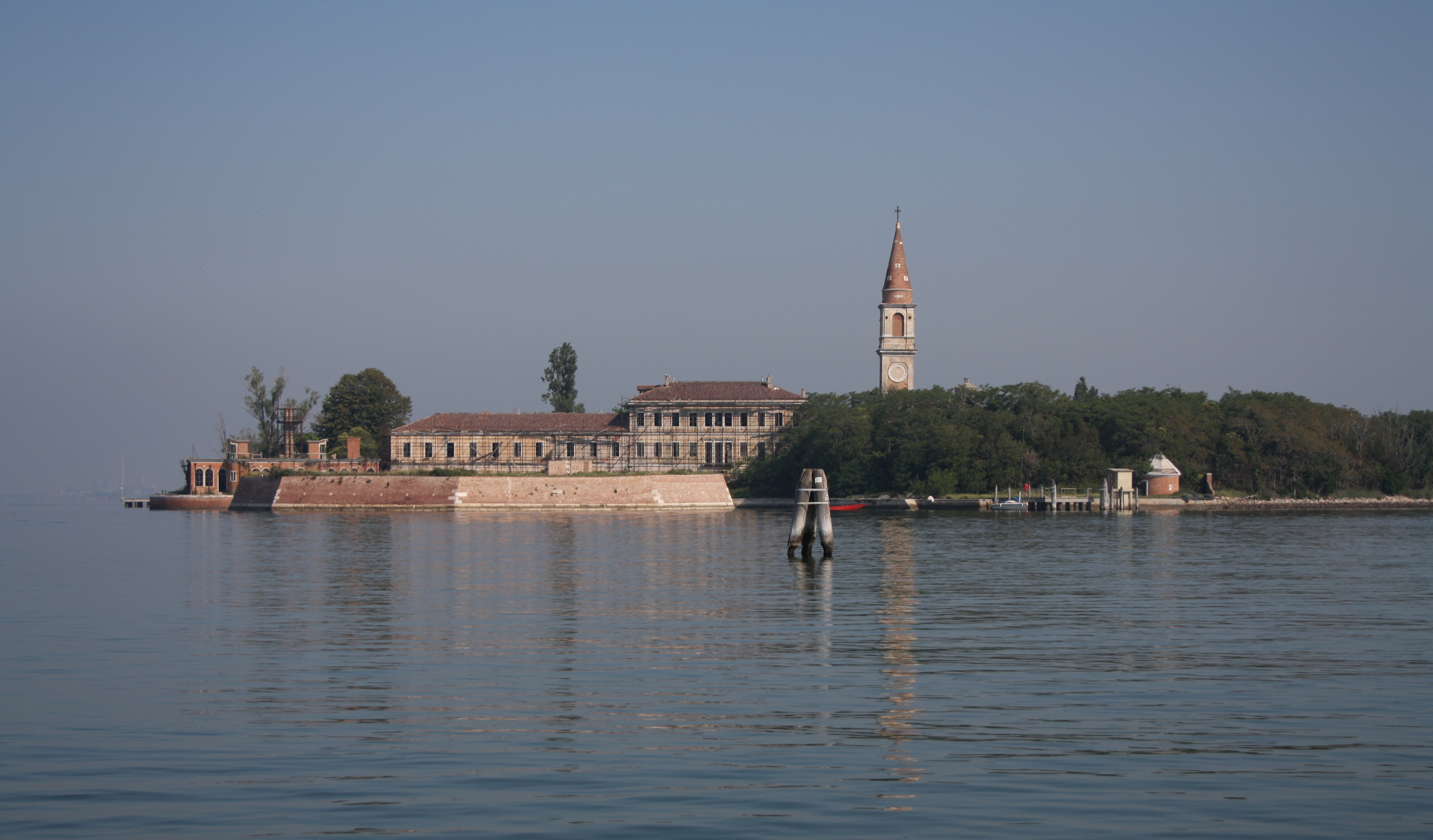
Poveglia Island
Venice, Veneto, ItalyMedieval / Modern
Mystery rating
Poveglia is a small island in the Venetian lagoon, a short distance from Venice. It was used to hold plague victims, and later held a hospital for the mentally ill that closed in 1968. It has been empty ever since, and it is officially closed to the public.
Why GeisTrack picked it
Poveglia is included because its closure isn't a marketing gimmick; it's a genuine legal and structural restriction, and that scarcity is part of what makes the island compelling. It also offers a clean example of how a documented public health tragedy gets reshaped into ghost-hunting television content over time.
Why it's famous
Poveglia became a lazzaretto, a quarantine checkpoint, after two plague ships arrived in 1793, continuing a system Venice had pioneered in the 14th century. Ships, crews, and cargo waited out isolation periods here while the sick were kept apart from the healthy. Mass graves are real and bones still surface in the soil occasionally, though the widely repeated figure of 160,000 deaths on the island has no documentary backing. The buildings were converted into a home for the elderly in 1922, which closed in 1968, and the island has sat empty since, aside from a brief spell of farming. A 2014 attempt to auction a 99-year lease collapsed when the winning bid fell through, and restoration plans have moved slowly ever since, leaving access as restricted as it has been for years. Italian officials have noted that the island's documented history, thousands of frightened people dying in forced isolation within sight of a city carrying on normally, is dramatic enough without embellishment.
History
People have lived on Poveglia since the 5th century. By the 9th century, it was a thriving community with its own local government. But war emptied it out: during a conflict with Genoa in 1379, everyone living there was moved to Giudecca and never came back. The island's darker history began in 1793. Two ships arrived with the plague on board, and they were kept isolated here. From then on, Poveglia became a permanent 'lazzaretto,' which was a special checkpoint where ship crews and their cargo had to wait out quarantine periods. It was also where sick people were kept separate from healthy ones. Venice, which had actually invented quarantine in the 14th century, used its lagoon islands like a protective barrier around the city. Victims of the plague were buried and even burned on these islands. While you might hear a figure of 160,000 deaths on Poveglia, there's no solid proof for that number. However, the mass graves are definitely real, and human bones still sometimes appear in the soil. In 1922, the existing buildings were turned into a home for the elderly. This facility closed in 1968. Since then, the island has been empty, except for a brief period when it was used for farming. In 2014, the Italian government tried to sell a 99-year lease for the island. The winning offer fell through, and later plans for restoring the island have moved very slowly. Because of all this, access to Poveglia is still restricted.
The full story
Let's be clear about the rules right away: going ashore on Poveglia without official written permission is against the law. The buildings there are not safe, and no public ferry goes to the island. If anyone offers to drop you off casually, they're setting you up for trouble. What you *can* do legally is get a great view from the water. You can hire a small boat or a water taxi from Venice, the Lido, or Malamocco. Ask them to take you on a slow tour around the island. Poveglia is only about 20 minutes away, located between the Lido and Giudecca. From a distance of a hundred meters, you can clearly see the octagonal fort, the hospital buildings with their empty, staring windows, and the bell tower peeking out above the trees. Many photographers aim to capture the beautiful late afternoon light hitting the peeling, ochre-colored plaster of the old structures. Some tour operators offer special lagoon trips that include Poveglia, along with Lazzaretto Nuovo and Lazzaretto Vecchio, which also have fascinating histories. Occasionally, heritage groups organize supervised visits to Poveglia, so it's worth asking around locally if any of these rare opportunities are happening. After seeing Poveglia from afar, you can explore other related historical sites that you *can* walk through. Lazzaretto Nuovo, located near Sant'Erasmo, is open for guided tours. This was actually the world's very first quarantine station, and you can still see graffiti carved by 16th-century merchants on its walls. Lazzaretto Vecchio has been excavated, revealing mass graves from the plague era. For a more architectural experience, visit Venice's plague churches — Santa Maria della Salute and Il Redentore. Both were built as thank-you gifts after epidemics ended, transforming the abstract tragedy of the numbers into grand buildings. To round out your day exploring the lagoon's history, visit San Michele, Venice's cemetery island. Then head to Torcello, where the mosaic of the Last Judgment in the cathedral is perhaps the most awe-inspiring (and a little scary) sight in the lagoon that you're actually allowed to see up close.
Legends & sightings
The most famous legend talks about a doctor at the hospital who supposedly experimented on patients, even performing crude lobotomies in the bell tower. The story says he then jumped from the tower himself, either dying on the ground or, in a more dramatic version, being walled up by a mysterious mist that rose from the earth. There are no historical records to back up any part of this tale, and the tower itself was actually a church bell tower that was simply repurposed. Other stories are older and quieter. Fishermen have avoided the waters around Poveglia for generations, claiming their nets often pull up human bones. Local tradition even says that more than half of the island's soil is made up of human ash. Visitors and film crews who have managed to get inside the buildings often describe a heavy, oppressive feeling, sudden waves of nausea, and the sensation of being watched from the treeline. Television shows about ghost hunting have really solidified the island's reputation as one of the most haunted places on Earth. Italian officials have occasionally pushed back against these claims, pointing out that Poveglia's *true* history — thousands of terrified people dying in forced isolation while they could see their city carrying on just across the water — is powerful enough and doesn't need any made-up stories.
Fact or legend?
Documented: the island served as a quarantine station, and later as a hospital that closed in 1968. It has been abandoned since, and the buildings are unsafe. Access is restricted by the Italian authorities. Legend: the often repeated claims that 160,000 people died here, and that a doctor threw himself from the bell tower after being driven mad, come from ghost tourism rather than records. No proof: nothing supernatural has ever been demonstrated. What is certain is that the buildings are collapsing.
Field notes
- Poveglia is officially closed to the public; landing requires written permission from the Italian authorities.
- The island served as a plague quarantine station, or lazzaretto, from 1793.
- The often-quoted figure of 160,000 deaths has no documentary source, though mass graves are real.
- A hospital for the elderly operated here from 1922 until 1968.
- The famous 'mad doctor' who lobotomised patients appears in no historical record.
- A 99-year lease was auctioned in 2014 but the sale collapsed, leaving the island abandoned.
Our verdict
GeisTrack Verdict
The famous mad-doctor-and-lobotomies legend has no historical record behind it, and the bell tower was simply a repurposed church tower, so don't expect the ghost-hunting show version to hold up. What's genuinely worth seeing is the island itself from a slow boat pass at late afternoon, when the light hits the peeling plaster and empty windows well. This suits history-minded travellers more than thrill-seekers, since you cannot legally go ashore and the buildings are structurally unsafe anyway. Pair it with a guided tour of Lazzaretto Nuovo, which you actually can walk through, for a fuller picture of Venice's quarantine system without the invented drama.
Editorial assessment based on research, not a sponsored review. See our editorial policy.
Can you visit?
Not freely, no. Poveglia is closed to the public. Landing without permission is trespassing, and the ruins are dangerous. Boats pass close to the island and you can see it clearly from the water. A local group has been working on partial restoration of parts of the island, so arrangements can change, but do not plan an unauthorised landing.
How to get there
1. Fly into Venice Marco Polo (VCE) and take the water bus or bus into the city. 2. Take a vaporetto towards Lido or Malamocco. 3. To see the island, arrange a private boat tour in Venice that passes Poveglia. Landing is not part of a legitimate tour. There is no public ferry stop on Poveglia.
Before you go
Book a licensed boat operator rather than someone offering to sneak you ashore. Confirm before paying whether the trip includes landing. In almost all cases it does not. Bring sun protection and a jacket. The lagoon is exposed. Autumn and spring give the best light and fewer crowds in Venice.
Travel tips
For the best lighting and a close, legal view, charter a small boat from the Lido in the late afternoon. Do not try an unauthorized landing; the buildings are falling apart, and the fines are very real. You can combine this trip with a guided tour of Lazzaretto Nuovo, a visit to San Michele cemetery, and the historic plague church of Santa Maria della Salute.
Safety
Poveglia is legally closed to the public and is physically dangerous. The floors, staircases, and roofs in the old hospital buildings have collapsed. It's much safer and recommended to view the island from a boat instead of trying to land.
What to expect
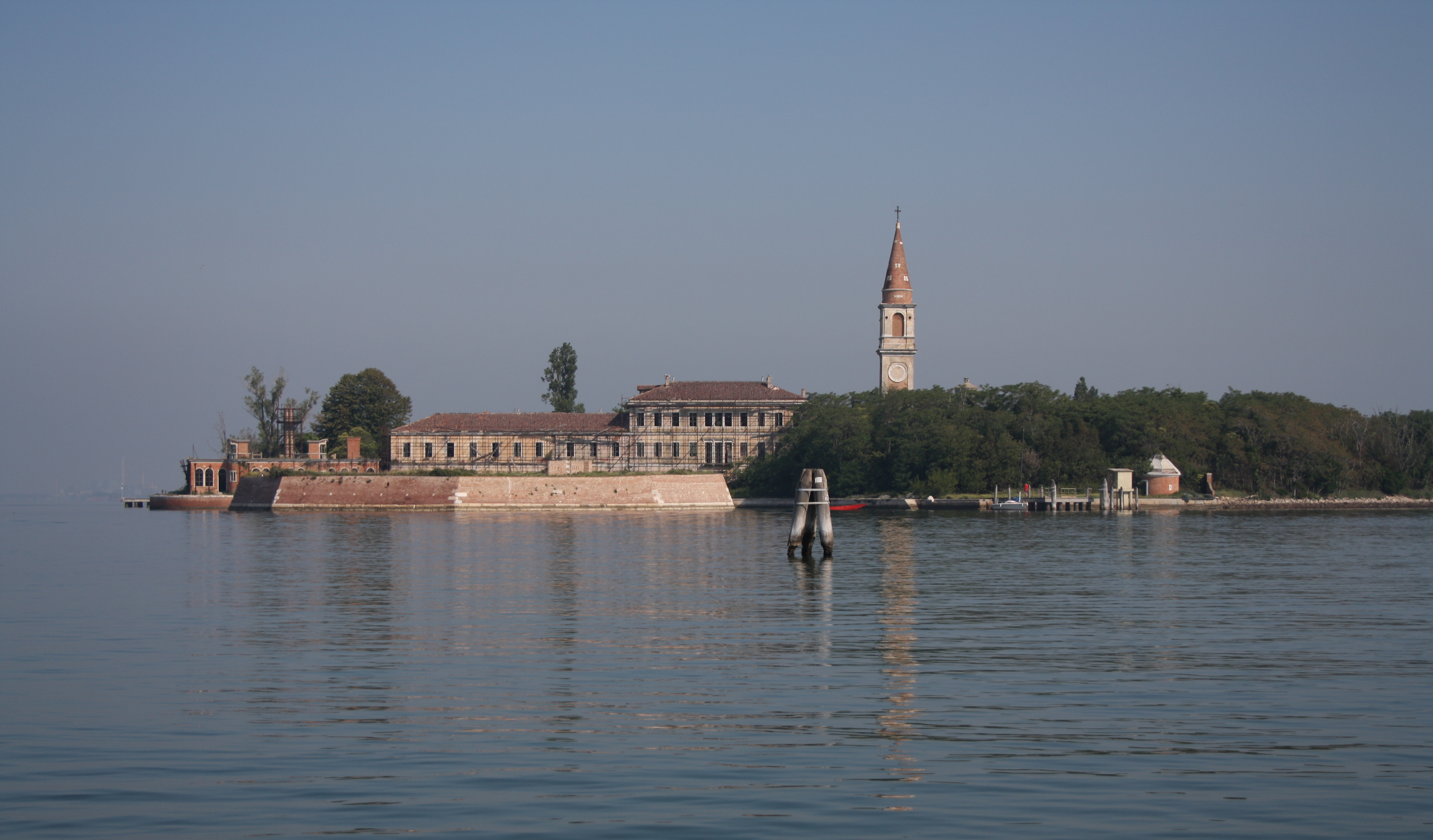
From the water you see a walled island, an overgrown hospital block, the bell tower and trees pushing through the roofs. Most trips combine it with other lagoon islands such as Lido and Malamocco. Expect a couple of hours on the boat rather than a walking visit.
Visit with respect
Plague victims and patients died here. Skip the ghost hunting theatrics, and never break in.
Frequently asked
Plan your trip
Book the practical parts of the journey. We may earn a commission from these partner links, at no extra cost to you.
Plan your visit
Getting to Poveglia Island
Everything you need to turn this mystery into a trip. We may earn a commission from these partner links, at no extra cost to you.
- Best time to visit
- April to June and September to October, especially in the late afternoon
- Opening hours
- Closed to the public
- Entrance fee
- Not applicable — landings prohibited
Read the story
Long-form journal writing about Poveglia Island.
Rate This Destination
What do you think of this destination? Share your rating with the GeisTrack community.
Community Rating
No ratings yet. Be the first to rate this destination.
Visitor opinion only — separate from the GeisTrack editorial mystery ratings above.
Been here? Share your experience
Have you visited this place? Tell other GeisTrack travelers what it was really like. Your experience may help someone plan their own visit.
No comments yet
No traveler comments yet. Be the first to share your thoughts.