The Cell Door Still Slams: One Night in the Head of Alcatraz
GeisTrack Editorial · 31 July 2026 · 7 min read
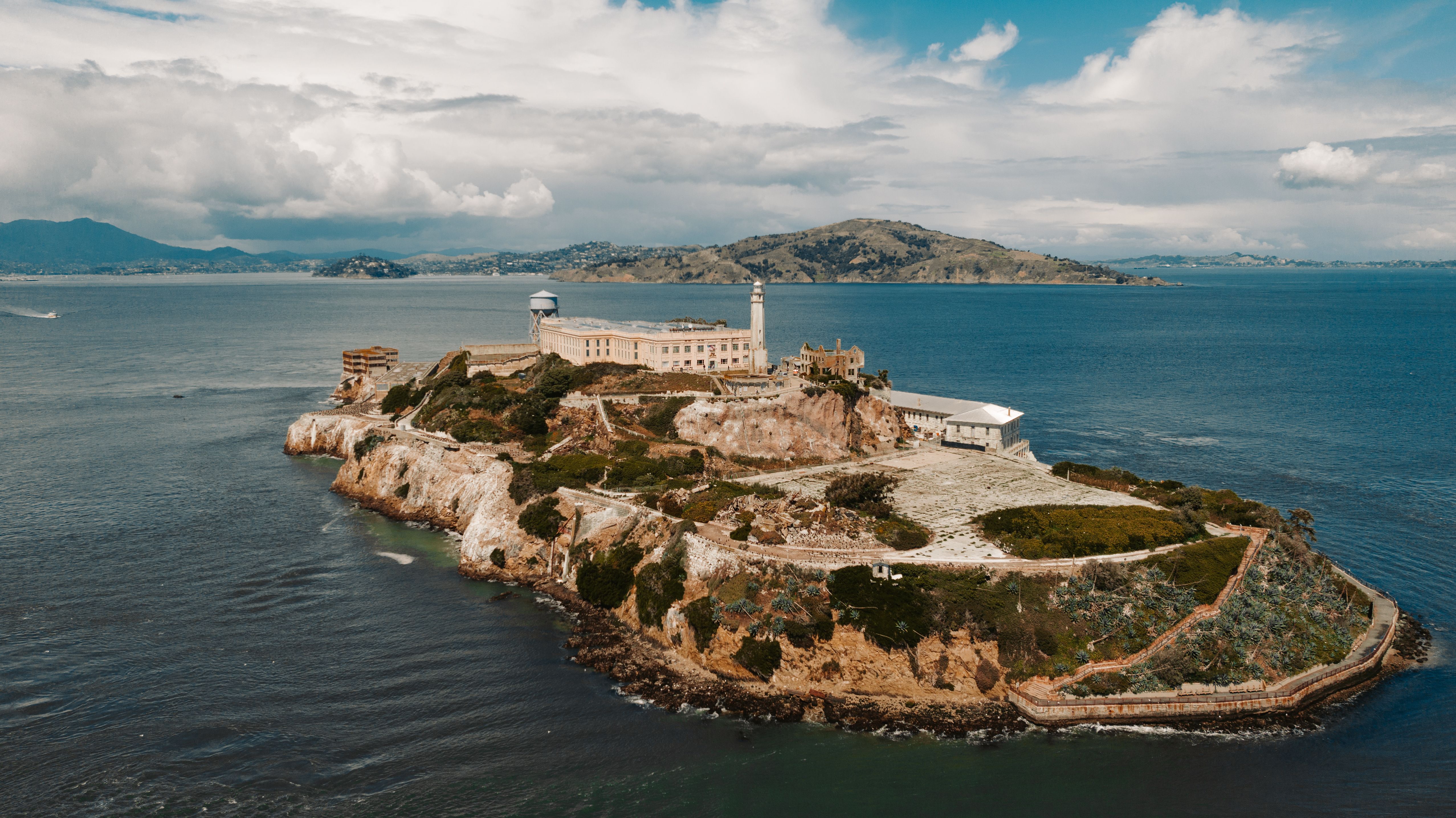
A mile and a quarter of cold tidal water separates Alcatraz from a city whose party sounds once drifted straight into the cell blocks. Twenty-nine years of federal history, a legendary escape, and an audio tour narrated by the men who lived it.
The boat pulls away from Pier 33, and the city of San Francisco behind you disappears as if a door has closed.
Former prisoners always mentioned this first, even before talking about the cold or the food. They remembered the sound of San Francisco on New Year's Eve, drifting across the water: music, laughter, women's voices. It was just a mile and a quarter away, close enough to hear the party you would never attend again. The men in D Block called it the cruellest part of their punishment, and the guards knew exactly how much it hurt.
Alcatraz was never meant to be a comfortable place. When the federal prison opened in 1934, it was designed as the final destination for men other prisons couldn't handle. Famous inmates included Al Capone, who ended up playing banjo in the prison band; Robert Stroud, known as the "Birdman," even though he kept no birds here; and Machine Gun Kelly, who reportedly became a well-behaved and rather dull prisoner. There was one guard for every three prisoners. Inmates were counted four times a day. The prison had twelve main rules, and the fourth clearly stated that prisoners were guaranteed food, clothing, a place to sleep, and medical care – but everything else was a privilege they had to earn.
Then there's the famous escape. On the night of June 11, 1962, Frank Morris and the Anglin brothers put papier-mâché heads with real human hair on their pillows. They squeezed through ventilation holes they'd widened with sharpened spoons, climbed to the roof, and launched a raft they'd made from fifty stolen raincoats. The FBI eventually closed their case, assuming the men had drowned. However, the U.S. Marshals Service has never officially closed it. In 2013, a letter arrived, supposedly from John Anglin, then 83 years old, offering to surrender if he received medical care. This letter has never been proven real, but it hasn't been dismissed as fake, either.
Most visitors don't expect to learn about the island's third major story. In November 1969, a group of Native American activists took over the abandoned island for nineteen months. They claimed it under an old treaty clause that covered extra federal land. Their red painted slogans are still visible on the water tower, purposefully preserved. This occupation helped to end the U.S. government's policy of trying to assimilate Native American tribes – arguably the most important event to ever happen here.
Plan to go in the morning; take the earliest boat you can book. And definitely don't skip the cellhouse audio tour. It's narrated by men who were actually locked in these cells and the officers who held the keys. Near the end, there's a moment when they play the sound of a cell door slamming shut. Every visitor stops walking. Everyone automatically does the math: twenty-two hours a day, in a five-by-nine-foot cell, with the sound of a party still happening across the bay.
If you want to walk to the pier, stay in San Francisco's North Beach neighborhood. And give yourself plenty of time for a long lunch afterward. You'll probably need it to process everything you've experienced.
Plan the trip
Book this journey
We may earn a commission from these partner links, at no extra cost to you.
Visit the place
Practical details, mystery rating and how to plan the trip.