Sixty-Two Children, One Morning: The Ariel School Case
GeisTrack Editorial · 4 August 2026 · 7 min read
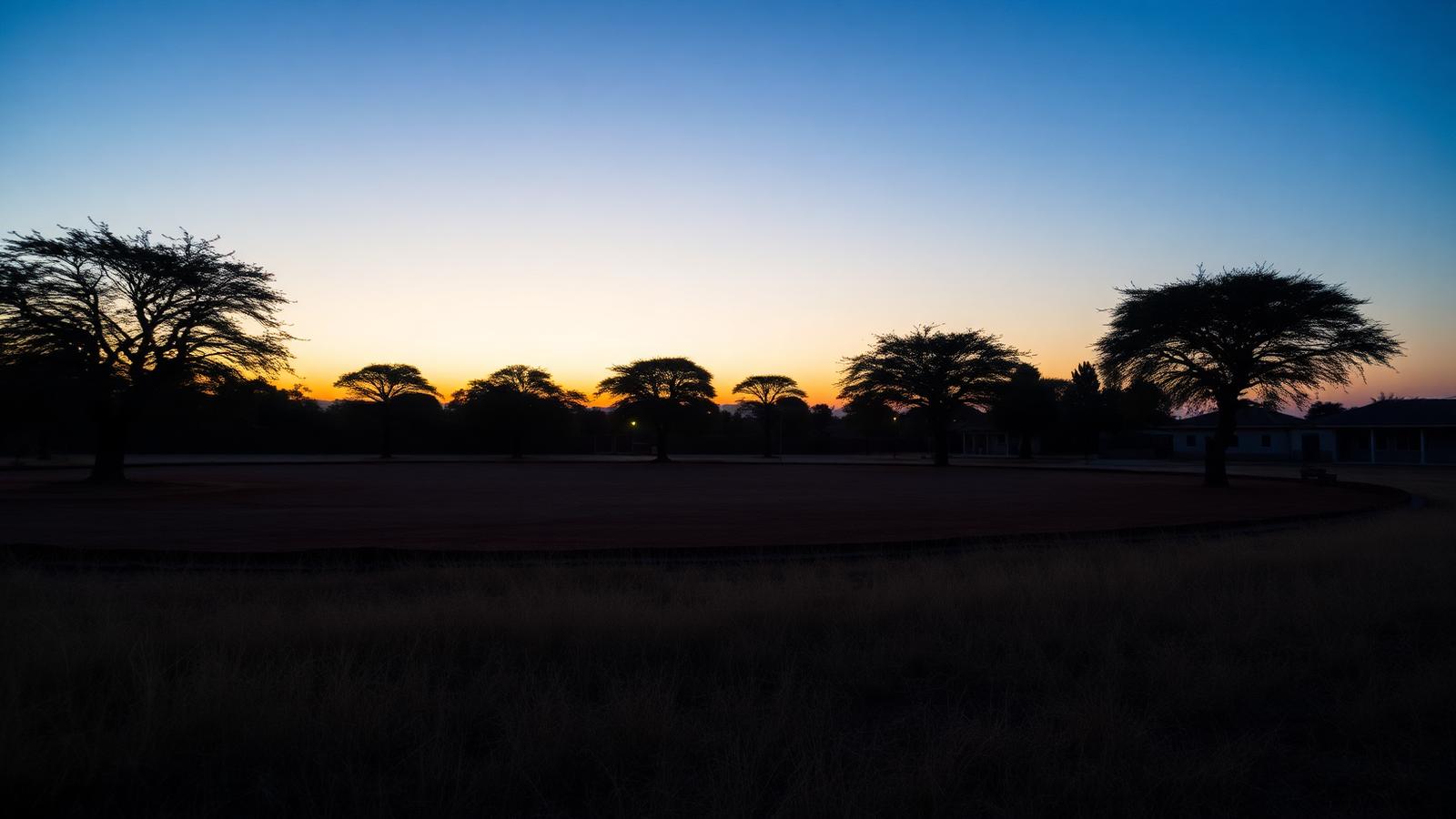
In September 1994, a primary school in Zimbabwe became the site of what many consider the most detailed group close-encounter report ever recorded. Even thirty years later, no one involved has changed their story.
The Ariel School case isn't famous for being dramatic or unbelievable; its strength lies in how well it was handled right from the start.
It was September 16, 1994, during morning break at a small private primary school called Ariel, located about twenty-two kilometers (around 14 miles) east of Harare, the capital of Zimbabwe. Sixty-two children, playing outside, suddenly reported seeing some kind of craft land at the edge of their playing field. It settled near a patch of bushes where staff usually told them not to go. Their teachers were in a meeting at the time. By the time adults reached the scene, the children were already talking about what they'd seen.
What the headmaster did next is why this story is still talked about today. He cleverly asked each child to draw what they had witnessed before they had a chance to compare notes or discuss it with each other.
These drawings still exist. While you see all sorts of variations, as you would expect from children aged about six to twelve, certain details appear again and again. They consistently show a disc or an oval-shaped object on the ground, with one or two figures wearing tight, dark clothing. These figures often had large black eyes and long, hair-like features. Several children independently described their movement as slow or even bouncing.
Two weeks later, John Mack, a psychiatry professor from Harvard and a Pulitzer Prize winner, flew to Zimbabwe. By then, he was already a well-known but controversial figure because he took reports of such encounters seriously as a medical phenomenon. He filmed interviews with the children, speaking to them alone and in groups, with their parents present.
It’s worth watching that footage before you make up your mind. You'll see Mack gently push for more details, but the children push back. They correct him, sometimes disagree with each other on minor points, but they always stick to the core of their story. Several children described getting a silent message about the Earth being harmed. This is the part that skeptics often point to, suggesting it might be an idea they picked up from somewhere else.
It's important to consider the skeptical view. Children can be easily influenced, and stories can spread quickly on a playground. Also, a bright meteor had been widely seen re-entering Earth's atmosphere across southern Africa just a few days before this event.
However, the arguments against the skeptical view are compelling, especially when you look at the sheer numbers and the motivations involved. Sixty-two witnesses. Drawings were made *before* any group discussions. Nobody made money, got book deals, or sought publicity from this; in fact, the school spent years just wishing the whole incident would go away. And in the three decades since, as these witnesses have grown into adults in their thirties and forties, now living in various countries, none of their main accounts have changed.
One crucial request: please do not try to visit the Ariel School. It’s private property and still a working primary school with children attending classes. While the details of this event are public, the school grounds are not a tourist attraction. Instead of visiting, watching the 1994 interviews is much more insightful and powerful than any physical visit could ever be.
Plan the trip
Book this journey
We may earn a commission from these partner links, at no extra cost to you.
Visit the place
Practical details, mystery rating and how to plan the trip.