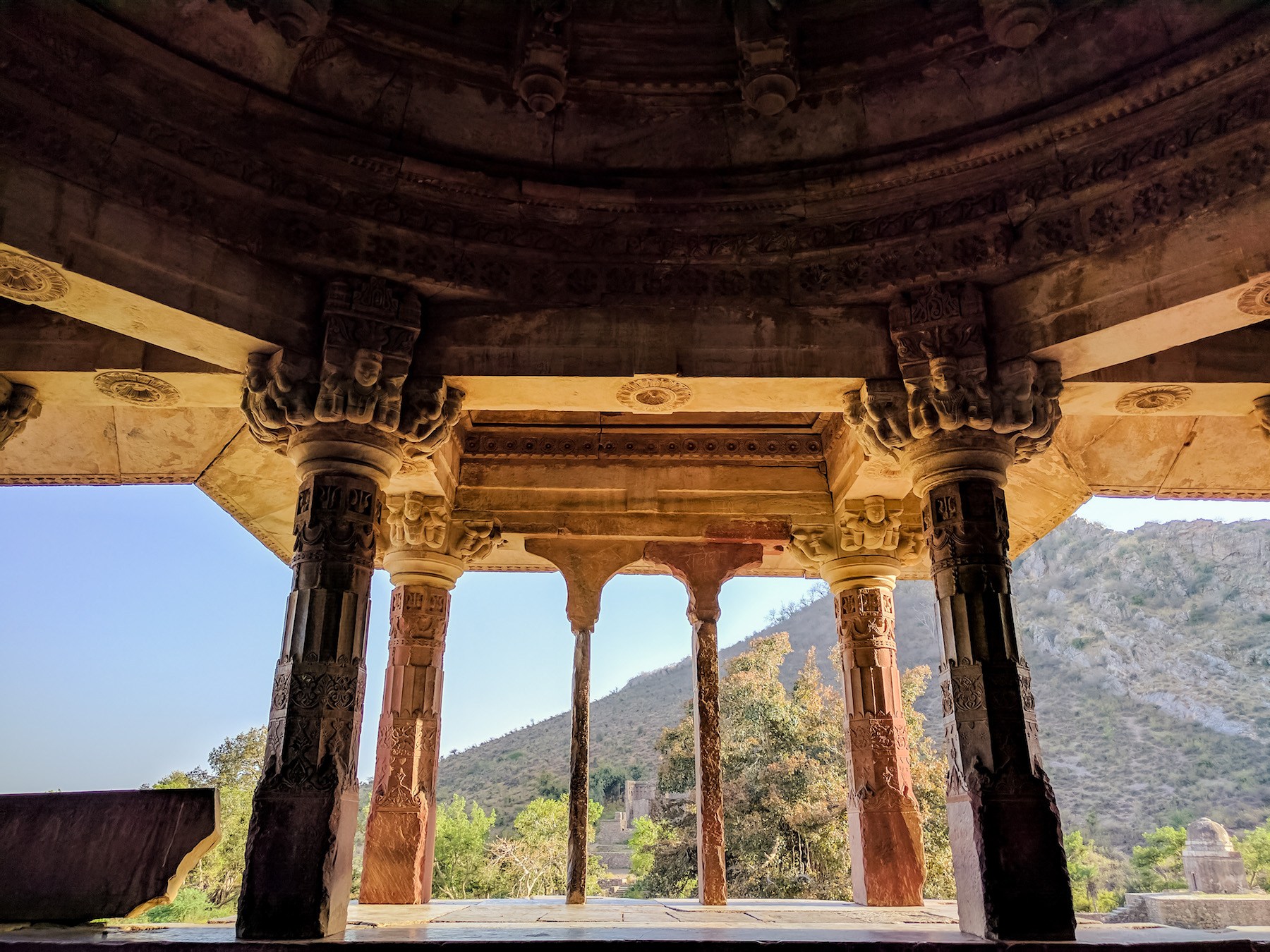
The Fort India Will Not Let You Sleep In
GeisTrack Editorial · 31 July 2026 · 6 min read
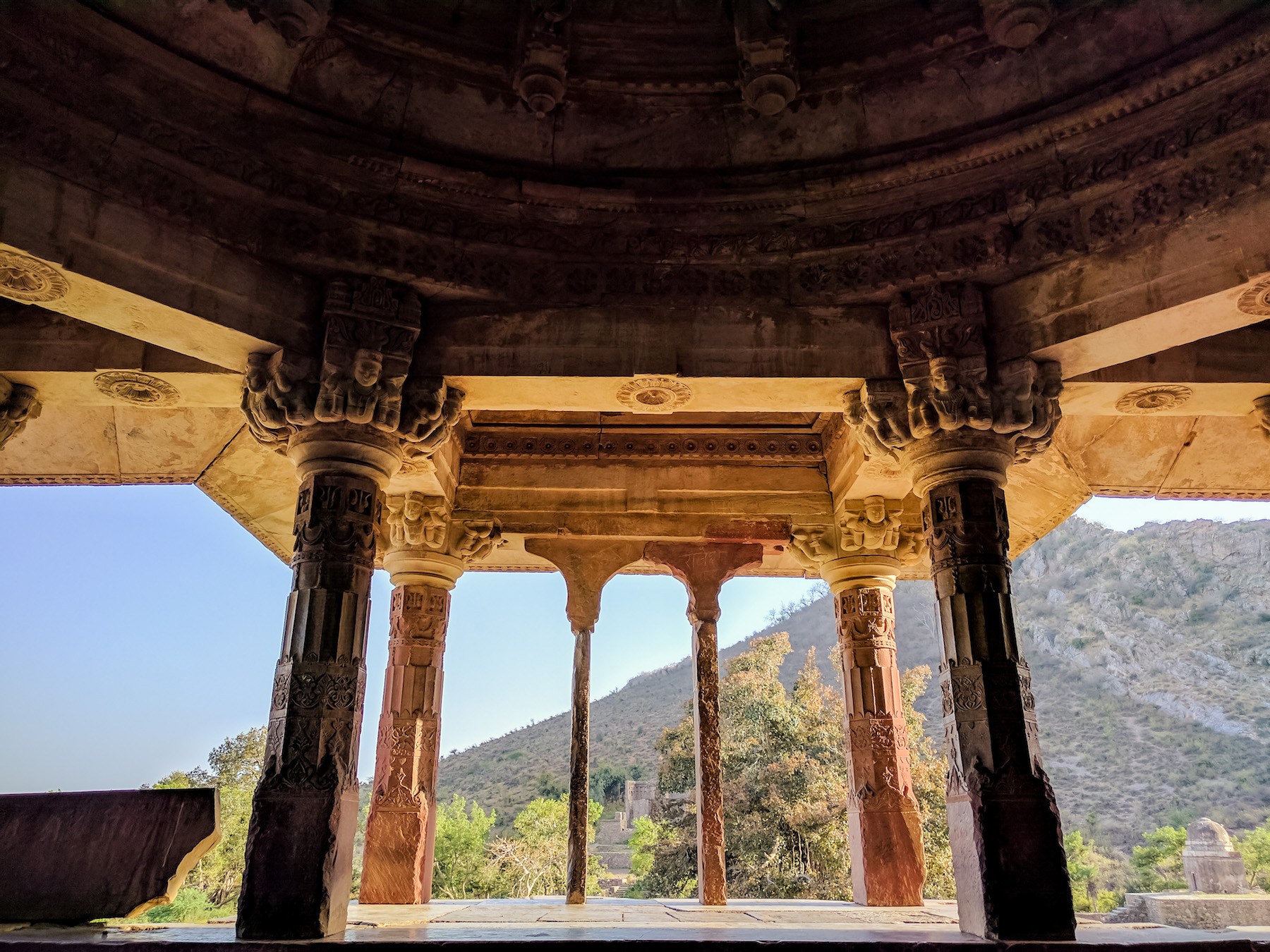
A 17th-century Rajput city in Rajasthan comes with an official government sign forbidding anyone from staying past sunset, plus a legend involving cursed perfume and a rolling boulder that crushed a sorcerer.
Tucked away in Rajasthan's Aravalli hills, roughly halfway between Jaipur and Alwar, you'll find a sign from the Archaeological Survey of India that's truly unique. It clearly states: "Entry is prohibited between sunset and sunrise." This isn't just any warning; it's an official government notice, in formal lettering, talking about ghosts.
Of course, the Survey might say it's about staying safe from leopards, snakes, wobbly stonework, and a valley with no lights. But if you ask the locals, they'll tell you that sign is all about Singhia.
Bhangarh was built in 1573 for Madho Singh, who was the brother of the famous Mughal general Man Singh I. This wasn't some tiny village; it was a bustling city. As you walk through the main gate, you'll pass a temple area, a market street where the stalls are still visible, quarters for dancers, grand mansions called havelis, and finally, the impressive seven-story royal palace at the valley's end. Then, sometime in the 18th century, everyone suddenly left. Historians offer reasons like famine, war, or a shift in the water supply.
But the other explanation is much more captivating. There's a story about Singhia, a powerful tantric sorcerer, who fell in love with Princess Ratnavati. He cast a spell on a bottle of perfume, hoping she would fall for him when she touched it. The princess, who was quite clever, didn't use the perfume. Instead, she poured it onto a large boulder. This boulder then rolled down the hill and crushed Singhia. As he lay dying, he cursed the town, declaring that everyone in it would die and their spirits would remain trapped forever. He also cursed that no roof built in Bhangarh would ever stand. When you visit, you'll notice this eerie detail: none of the buildings have roofs.
What truly makes a visit here memorable is the special light. Try to come mid-week, early in the morning, when the mist still hangs in the valley and langur monkeys are playing on the temple steps. These monkeys will likely be your only company. Walk the entire length of the market street to the palace, climb to its terrace, and look back down the valley – you'll see a completely preserved Mughal-era town plan, with nothing modern built on top. That's incredibly rare.
Here are some practical tips: it's about a two-and-a-half-hour drive from Jaipur. It's best enjoyed as a day trip, perhaps combined with a visit to the stepwell at Abhaneri and the ruins of Ajabgarh. Remember to bring water, wear sturdy shoes, and start your journey back well before dark. The gate closes right at sunset, and the guards are serious about it. There's only a small entry fee.
Do you absolutely have to believe in the curse? Not at all. But when the guard starts whistling to get everyone out as the sun turns the sky orange, and you glance back at the roofless stone valley fading into blue shadows, you'll probably find you don't feel like arguing.
Plan the trip
Book this journey
We may earn a commission from these partner links, at no extra cost to you.
Visit the place
Practical details, mystery rating and how to plan the trip.