Fifty-Two Towers and a Siege of Thirst: Carcassonne
GeisTrack Editorial · 31 July 2026 · 6 min read
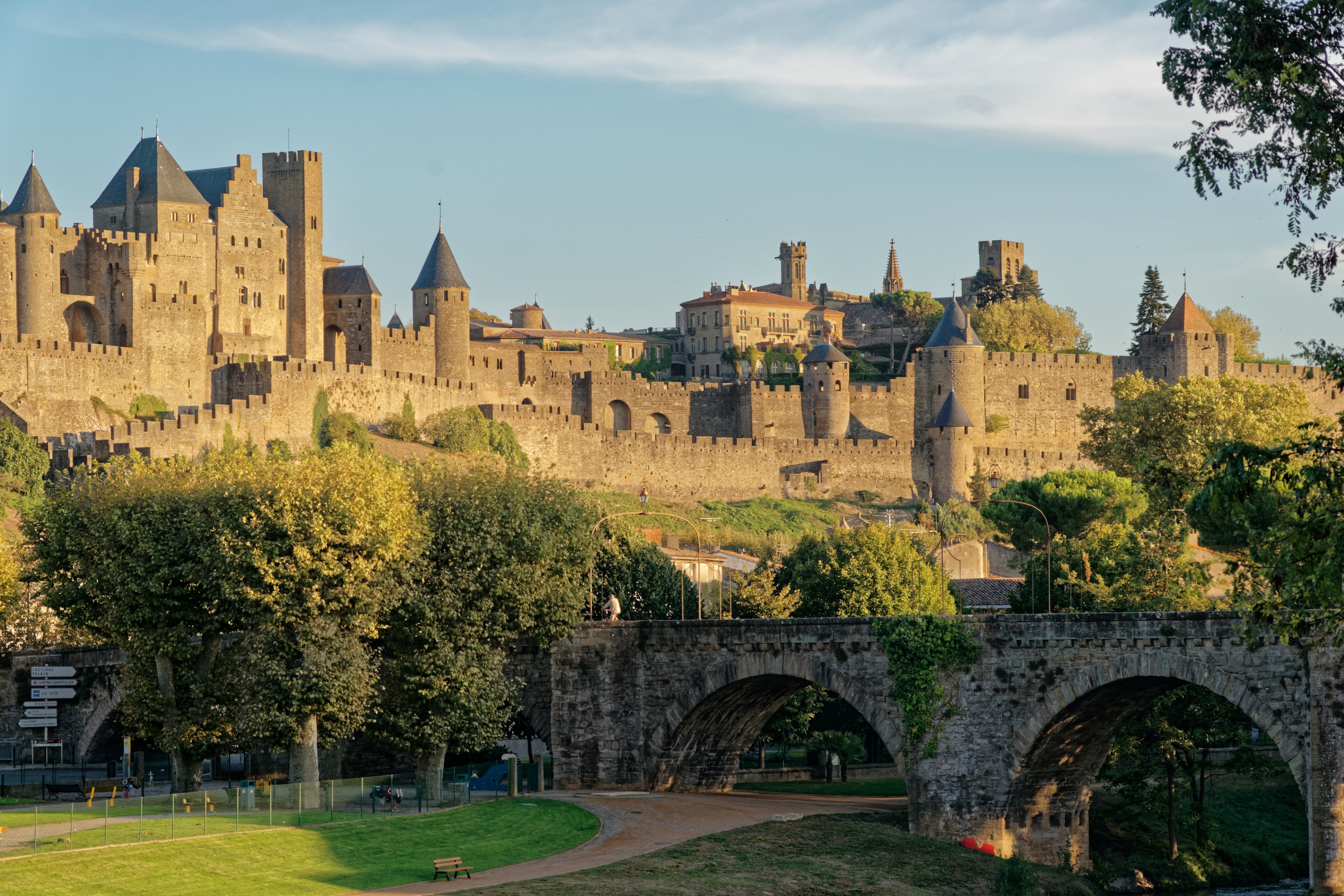
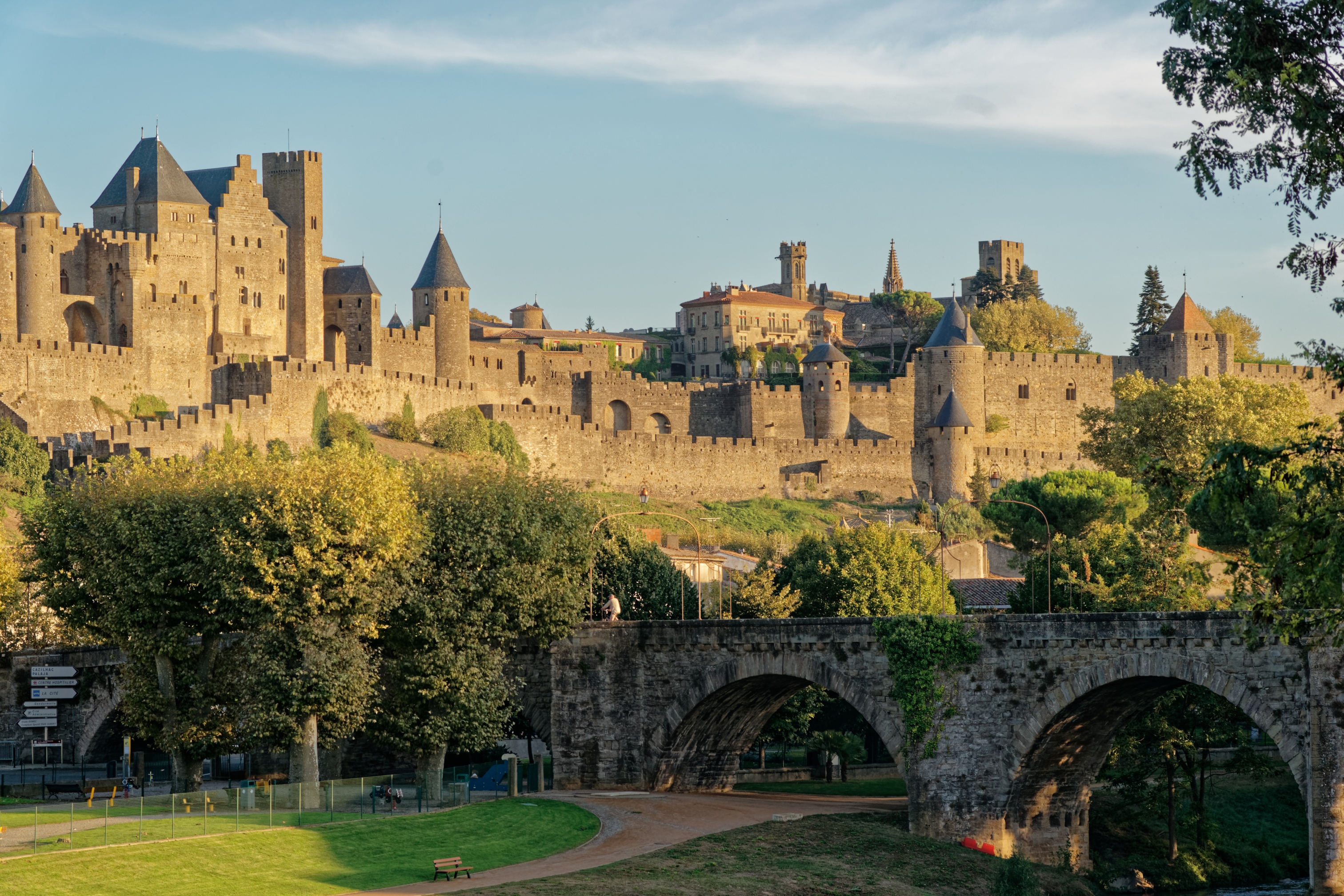
Driving toward Carcassonne at sunset, the city seems to float above the vineyards. Its fairy-tale roofline is a 19th-century invention, but underneath lies one of the bloodiest chapters of Europe's religious wars.
Driving towards Carcassonne from the east on the D6113 as the sun begins to set, the city seems to float above the vineyards, almost like a mirage projected onto the hillside. You'll see three kilometers of double walls, fifty-two towers, and roofs shaped like cones, the color of dark slate.
Those distinctive roofs are a beautiful illusion. When architect Eugène Viollet-le-Duc started rebuilding the ruined fortress in 1853, he gave the towers the steep, pointy roofs common in northern France. This was different from the flatter Mediterranean tiles usually found in the region. Some purists have complained about this choice ever since. But for the rest of us, it created the most believable medieval skyline in Europe. Now, the restoration work itself is old enough to be recognized by UNESCO as part of its World Heritage status.
However, the true story of Carcassonne is much darker than its picturesque silhouette suggests. In 1209, a major military campaign called the Albigensian Crusade swept through the south of France. Its goal was to eliminate the Cathars, a Christian group with different beliefs that had become very popular in the Languedoc region. At the time, young Raymond-Roger Trencavel, a local noble or 'viscount', controlled Carcassonne. The city's walls were incredibly strong, and many refugees had crowded inside. But the crusaders found a weakness: they cut off the city's access to the river. After just two weeks, during the intense heat of August, thirst succeeded where siege weapons had failed. Trencavel went out to negotiate, but he was captured and later died in his own dungeon at only twenty-four years old. The entire population was forced to leave, supposedly carrying nothing but their sins, as an old writer recorded. The French king then took control of the fortress, making it a key stronghold on his southern border.
If you walk along the 'lices' – the grassy corridor between the inner and outer walls – you'll quickly understand the brilliant design. Anyone who managed to break through the first wall would find themselves trapped in a narrow killing zone, with defenders attacking from both sides. Afterward, step into the Château Comtal, the count's castle, and explore its rampart walk. Don't forget to visit the Basilica of Saints Nazarius and Celsus to admire its stunning stained glass windows, among the finest in southern France.
During the day, the 'Cité' (the old city) is bustling with tourists. The best way to experience its magic is simple: stay overnight inside the walls. Once the last tour buses leave around six in the evening, the narrow streets become quiet. The lighting shifts to a warm amber glow, and for a few hours, you'll feel like you have a whole fortified city to yourself. Treat yourself to some cassoulet – a rich bean stew that this town claims to have invented – and take a peaceful walk on the ramparts at eleven o'clock at night.
Then, use Carcassonne as your starting point for other adventures. The dramatic 'Cathar castles' of Lastours, Peyrepertuse, and Quéribus are just an hour or two away. They perch on such unbelievable ridges that you'll suddenly understand why medieval defenders made their final stands there. For a more relaxed day, the Canal du Midi, a historic waterway, flows right past the lower town.
Autumn is the perfect time to visit. The weather is still pleasant, the grape harvest is in full swing in the vineyards, and the large crowds have completely disappeared.
Plan the trip
Book this journey
We may earn a commission from these partner links, at no extra cost to you.
Visit the place
Practical details, mystery rating and how to plan the trip.