Battleship Island: The Most Crowded Place on Earth, Emptied in a Season
GeisTrack Editorial · 31 July 2026 · 6 min read
Sixteen acres of concrete once held 5,000 people in the highest population density ever recorded on Earth. When the coal ran out in 1974, everyone left within months, and Hashima Island has been decaying ever since.
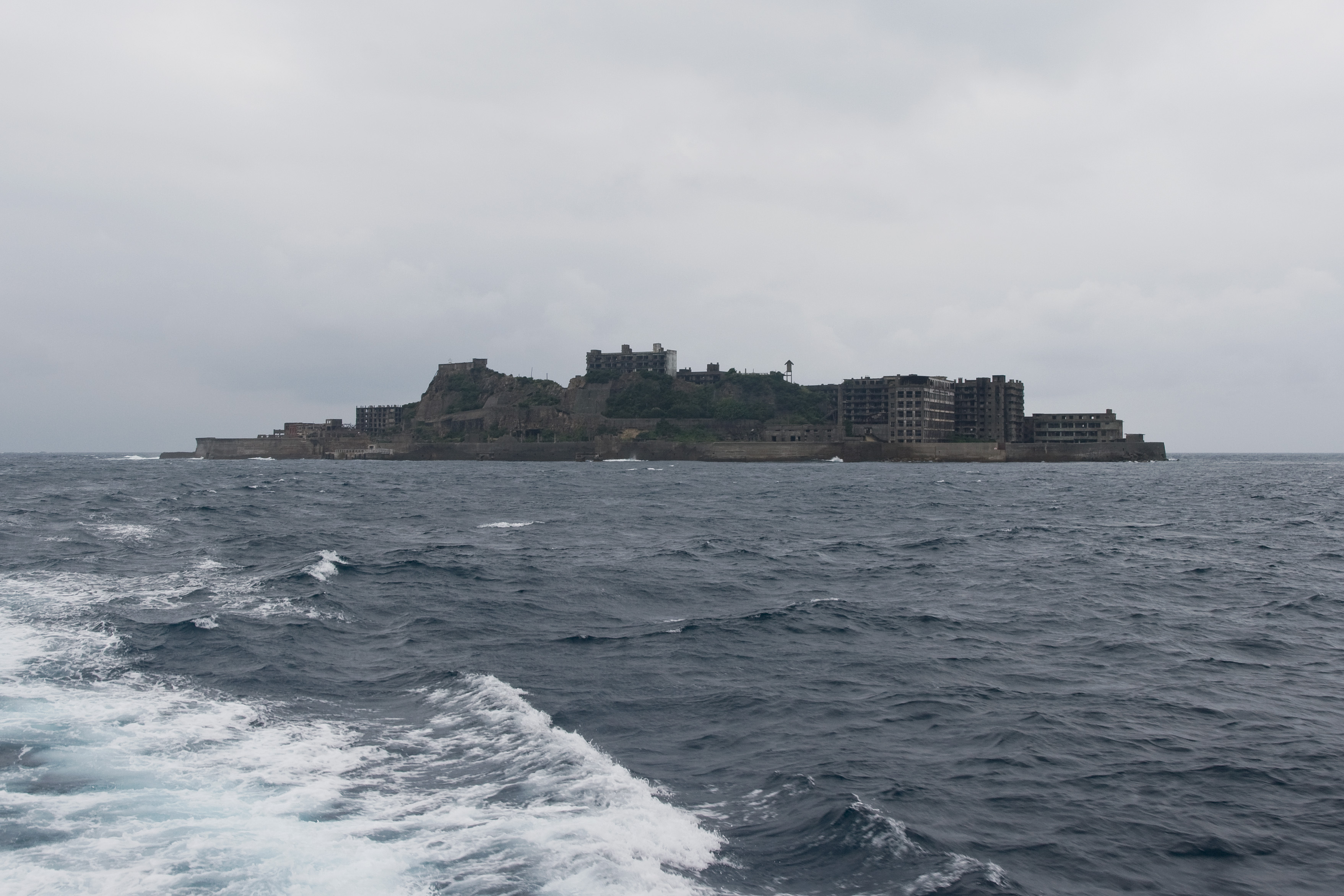
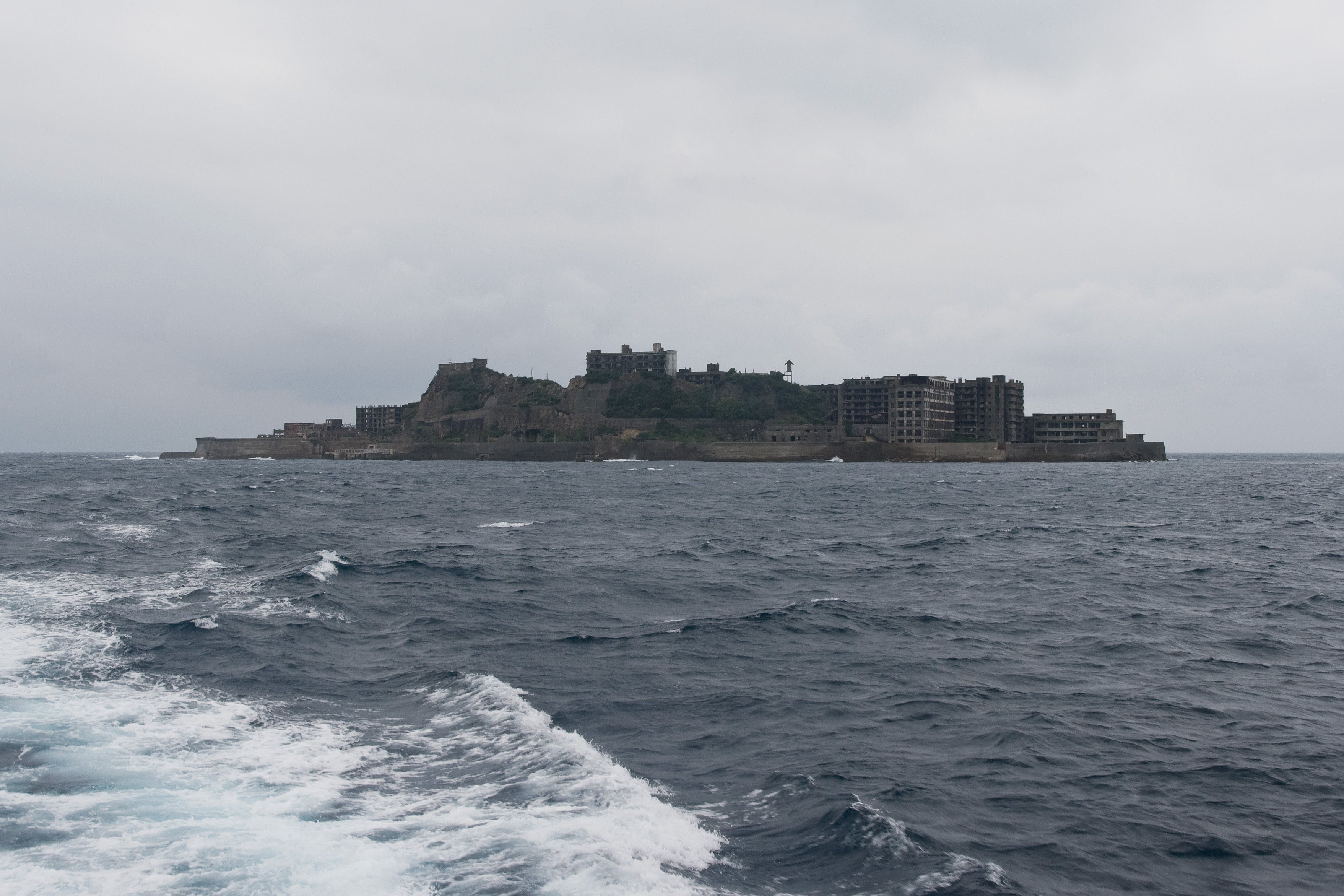
From a boat sailing out of Nagasaki, Hashima Island looks like a sunken warship. It's a low, gray shape bristling with broken towers, encircled by a seawall, with nothing else visible on the horizon. Sailors quickly nicknamed it Gunkanjima, or Battleship Island. The resemblance is so striking that, according to one story, a Japanese destroyer once mistook it for an enemy ship and aimed its guns at it.
In 1890, the Mitsubishi company bought this small reef because of the rich undersea coal seams beneath it. Since there was no land to expand onto, they had to build upwards. In 1916, Japan's first large reinforced-concrete apartment building, nine stories tall and designed to withstand powerful typhoons, was constructed here. By 1959, the island housed over 5,200 people on just 6.3 hectares (about 15.5 acres). This created an incredible population density of about 83,500 people per square kilometer, believed to be the highest ever recorded anywhere on Earth. The island had everything: a school, a hospital, a cinema, a kindergarten on a rooftop, shops, a shrine, a brothel, and even rooftop gardens since there was no soil at ground level. Children grew up here never having seen a natural tree.
However, there's also a more difficult history associated with Hashima. As part of the island's UNESCO listing in 2015, Japan agreed to acknowledge this past. During the Second World War, Korean and Chinese laborers were forced to come to Hashima under conscription. They worked in the mine shafts, which stretched a kilometer beneath the seabed, enduring intense heat and dangerous gases.
In 1974, as Japan shifted from coal to oil for energy, Mitsubishi closed the mine. The very last residents packed up and left in April of that year. They took only what they could carry onto the ferry, abandoning everything else — televisions, school desks, bicycles, and even shoes. Since then, the powerful typhoons have slowly been reclaiming the island. About half of the concrete structures have collapsed, and stairwells now hang precariously in mid-air. It's known as the fastest-decaying modern city on Earth.
Unfortunately, you can't freely explore Hashima. Landing is only allowed as part of licensed tours departing from Nagasaki port. You'll follow a fixed walkway near the southern tip, and there are strict rules to follow. Be warned: about one out of every three trips gets canceled due to rough seas, so it's a good idea to plan a few extra days in Nagasaki. The best tour operators combine the landing experience with a slow circle around the island by boat, which is perfect for taking those iconic photographs.
Why not combine your visit to Hashima with other fascinating sites in Nagasaki? You could explore the Atomic Bomb Museum, the historic island of Dejima, and the beautiful Ōura church. If you have an evening free, take the ropeway up Mount Inasa for sweeping views. From there, look back out to sea at that distant gray shape on the horizon and try to imagine what it was like when 5,000 people, a cinema, and a rooftop full of children once called that tiny island home.
Plan the trip
Book this journey
We may earn a commission from these partner links, at no extra cost to you.
Visit the place
Practical details, mystery rating and how to plan the trip.