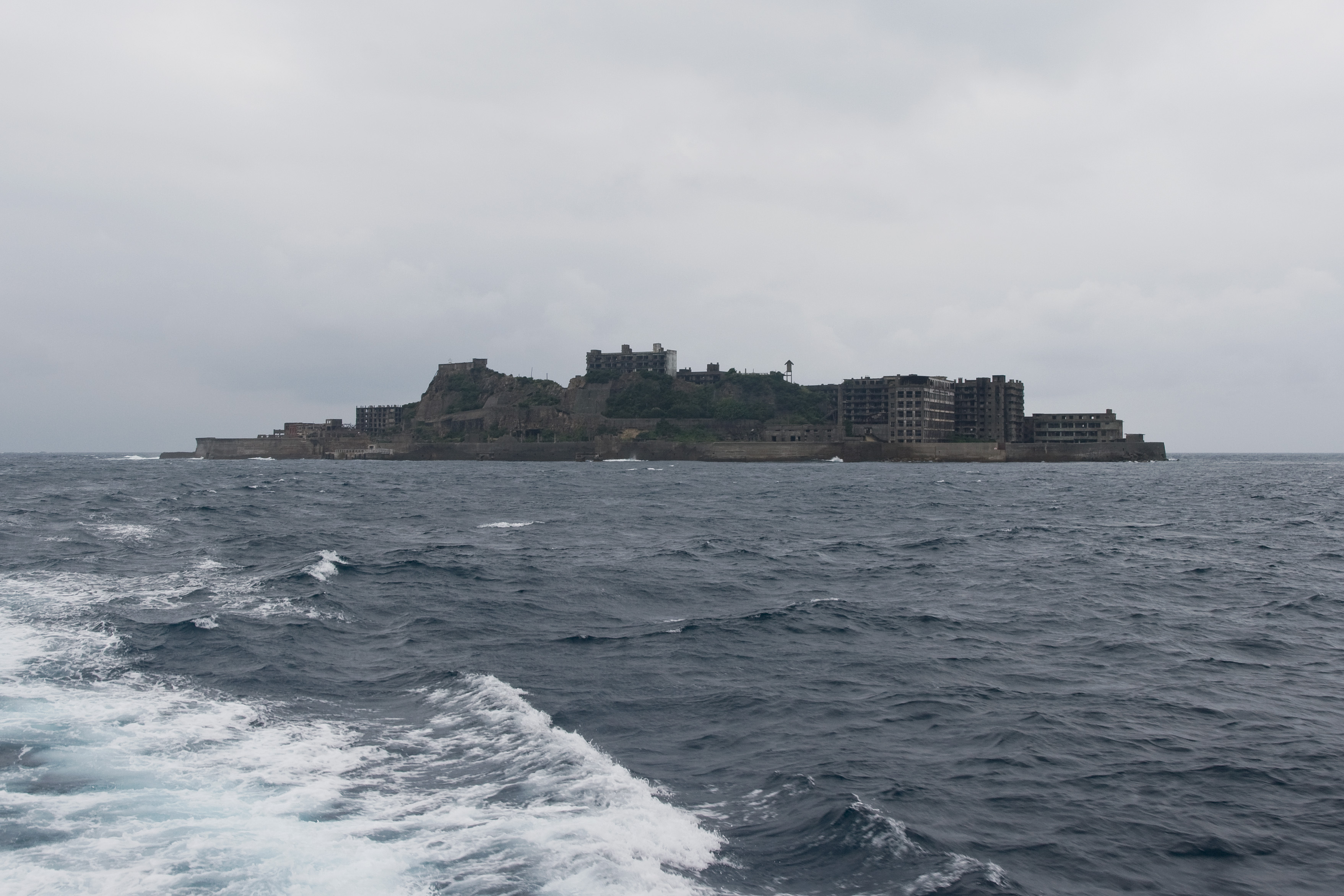
Hashima Island
Nagasaki, Nagasaki Prefecture, Japan19th–20th century
Mystery rating
Hashima, known as Battleship Island, is a small concrete island off Nagasaki. Thousands of coal miners and their families lived here in some of Japan's first big concrete apartment blocks. The mine closed in 1974 and everyone left within weeks. The buildings have been falling apart ever since.
Why GeisTrack picked it
Hashima combines an extraordinary population statistic, a striking concrete ruin, and a difficult wartime history that's still openly debated rather than glossed over. Former residents describe a close-knit, ordinary community, which sits in tension with the island's popular image as a ruin porn backdrop. That gap between memory and myth is exactly the kind of layered story GeisTrack looks for.
Why it's famous
Hashima, nicknamed Gunkanjima or "Battleship Island" for its shape, is famous first for numbers: over 5,000 residents crammed into 6.3 hectares, a density of more than 83,000 people per square kilometre. Mitsubishi built Japan's first large reinforced-concrete apartment block here in 1916, specifically to survive typhoons that wooden housing couldn't withstand. When the coal mine closed in January 1974, the last resident left within three months, leaving behind a complete but empty town. The island's history includes a serious and still-debated chapter: during the 1930s and the Pacific War, Korean and Chinese labourers were forced to work the mines under brutal conditions, and many died. This history shaped its 2015 UNESCO listing as part of Japan's Meiji industrial heritage, which came with an acknowledgement of forced labour. Its stark silhouette has since made it a fixture in films, including the villain's lair in Skyfall.
History
Coal was discovered deep beneath the seabed here in 1810. Later, in 1890, the Mitsubishi company bought the island. They started digging mine shafts that eventually went down more than a kilometer (over half a mile) below the ocean floor. To house all the miners, Mitsubishi expanded the island by reclaiming land, built a strong sea wall around it, and started constructing buildings upward. Block 30, finished in 1916, was Japan's very first large, reinforced-concrete high-rise building. It was built this way because regular wooden buildings couldn't survive the powerful typhoons. By 1959, the island was home to 5,259 people. It had everything: shops, a school, a hospital, a cinema, bars, a swimming pool, a Shinto shrine (a place for traditional Japanese worship), and even vegetable gardens on the rooftops. All these different areas were connected by stairways so steep and dark that people called them the "Stairway to Hell." However, the island's history also includes a darker side involving forced labor. During the 1930s and the Pacific War, Korean and Chinese workers were forced to labor in the mines under terrible conditions, and many of them died. This period remains a sensitive diplomatic issue. It also influenced how the island was recognized by UNESCO in 2015 as part of Japan's Meiji industrial heritage, with an acknowledgement of the forced labor history. When Japan started using oil more than coal, the mine closed down in January 1974. The very last person left the island that April.
The full story
You can't just wander freely on Hashima Island. Visiting is only allowed with official tours from Nagasaki. You'll stick to a short, strong walkway on the island's southern tip, as the rest of the island is falling apart, with concrete crumbling off the buildings every year. But this small restriction is absolutely worth it. From that walkway, you'll look straight up into the towering canyon of Block 65, and the sheer size of it will hit you much harder than any photo ever could. Boats leave from Nagasaki Port, and the trip takes about 50 minutes. Before landing, they'll circle the island so you can see its distinctive shape, which looks like a battleship – that's where its nickname comes from. Keep in mind that landings are canceled if the waves are higher than 0.5 meters. This means about one out of three trips won't actually land. It's a good idea to plan an extra day in Nagasaki and book the morning departure; those often have better luck. Either before or after your island trip, make sure to visit the Gunkanjima Digital Museum in Nagasaki. Here, using projection mapping and virtual reality, you can explore the apartments, hallways, and mine shafts that you can't enter on the actual island. If you combine these two experiences, the island becomes much more than just a scenic ruin. Nagasaki itself is worth at least two days. You can explore the Atomic Bomb Museum and Peace Park, the old Dutch trading post at Dejima, the beautiful Glover Garden, the Ōura Church, and enjoy the night view from Mount Inasa, which is considered one of the best in the world. Don't forget to try champon noodles and castella cake, both of which originated here. If you're a photographer, bring a fast telephoto lens. You'll be shooting from a fixed spot, often in flat sea light. The best time to go is in late autumn, after typhoon season has ended, when the air is clear and the sea is at its calmest.
Legends & sightings
Gunkanjima has become more of a modern legend than just a physical place. It provided the look for the abandoned island hideout in the James Bond movie 'Skyfall,' appeared in the live-action films of 'Attack on Titan,' and pops up constantly in video games and photography books as the perfect symbol of a ruined future. Yet, former residents tell a very different story from this popular "ruin porn" image. They remember Hashima as a lively, warm, and friendly place, a town where everyone knew each other and children played on rooftops high above the Pacific Ocean. Many return for memorial visits and speak of sadness, not horror, when they recall their home. The island also has a truly dark history. Survivors of the forced labor described the undersea mine shafts as a place where men were often carried out unconscious from the extreme heat. The island's Korean name, "Hell Island," comes from that grim period. Local fishermen have long avoided the waters off the north side of the island after dark. So, whatever you might think about whispers in the stairwells, the island's actual haunting—the memory of its painful past—is well-documented, still debated, and unresolved.
Fact or legend?
Documented: coal mining ran from the late 1800s until January 1974, and at its peak the island was one of the most densely populated places on Earth. It is a UNESCO World Heritage Site as part of Japan's industrial history. Also documented, and painful: Korean and Chinese labourers were forced to work here before and during the Second World War. This part of the history is disputed politically but recorded in testimony and research. Legend: little. The island's power comes from what actually happened.
Field notes
- At its 1959 peak Hashima held 5,259 people on 6.3 hectares — the highest population density ever recorded.
- Block 30, built in 1916, was Japan's first large reinforced-concrete apartment building.
- The coal seams ran more than a kilometre beneath the seabed.
- The island was fully evacuated within months of the mine closing in January 1974.
- It became a UNESCO World Heritage Site in 2015 as part of Japan's Meiji industrial revolution sites, amid controversy over wartime forced labour.
- Its silhouette inspired the villain's island in the James Bond film Skyfall.
Our verdict
GeisTrack Verdict
Hashima rewards visitors who want scale and a specific, well-documented history rather than a scare. You can't roam freely — access is limited to a fixed walkway on the southern tip, since the rest of the island is structurally unsafe — so photographers should bring a telephoto lens. Around a third of scheduled landings get cancelled due to rough seas, so build in a spare day in Nagasaki. Pair the trip with the Gunkanjima Digital Museum to see interiors you can't reach in person. This is a site for people interested in industrial history and forced-labour history, not thrill-seekers; the real story is more sobering than spooky.
Editorial assessment based on research, not a sponsored review. See our editorial policy.
Can you visit?
Only on an official tour. Landing tours run from Nagasaki and are the only legal way to set foot on the island. Landing depends on sea conditions and is cancelled often. Visitors stay on a short fenced walkway, because the buildings are unsafe. You cannot explore the ruins.
How to get there
1. Fly into Nagasaki (NGS) or take the train to Nagasaki station. 2. Book a landing cruise with a licensed operator in Nagasaki port. 3. The boat trip takes roughly 40 to 50 minutes each way. 4. Tours usually last two to three hours in total. Book online before you arrive, especially in high season.
Before you go
Book ahead and pick a tour early in your stay, so you can rebook if the sea cancels it. Operators may refuse boarding in rough weather. That is for your safety. Bring sun protection. The walkway is exposed. Tours are usually in Japanese, so check whether English support is offered. People with mobility problems may not be able to land, as there are steps and a moving boat.
Travel tips
Book a morning boat trip and keep an extra day free in case your tour gets canceled. Bring motion-sickness tablets and a telephoto camera lens. Combine your island visit with the Gunkanjima Digital Museum to see the interiors you can't enter. Stay two nights in Nagasaki to enjoy the Peace Park, Dejima, and the beautiful night view from Mount Inasa.
Safety
Boat landings are canceled if the waves are too high. Visitors must stay on the marked walkway because the buildings are unstable and collapsing.
What to expect
You sail out, circle the island for photographs, then walk a short marked route past the ruins with a guide. You see the crumbling apartment blocks, the sea wall and the old mine shaft entrance from a distance. It is a couple of hours, mostly on the water, and the scale of the decay is the thing you remember.
Visit with respect
People were forced to work here and people died here. Keep that in mind rather than treating it only as urban exploration scenery. Follow every instruction from the guide.
Frequently asked
Plan your trip
Book the practical parts of the journey. We may earn a commission from these partner links, at no extra cost to you.
Plan your visit
Getting to Hashima Island
Everything you need to turn this mystery into a trip. We may earn a commission from these partner links, at no extra cost to you.
- Best time to visit
- From late October to April, when the seas are usually calmest.
- Opening hours
- Landing tours run several times daily, weather permitting
- Entrance fee
- Approx. JPY 4,000 including boat
Continue your GeisTrack
Other places on GeisTrack that pair well with Hashima Island — same kind of story, or the same corner of the map.
Make it a route
Combine Hashima with Nagasaki city and the Atomic Bomb Museum and Peace Park.
Namibia
Kolmanskop
Kolmanskop is a German built diamond town in the Namib desert, near Lüderitz in Namibia. It was rich, then the diamonds ran out, and by 1956 it was empty. Sand has poured through the doors ever since. Some rooms are half full of dunes.
USA
Bus 142 — The Into the Wild Magic Bus
Bus 142 is the abandoned bus where Christopher McCandless died in Alaska in 1992, made famous by the book and film Into the Wild. So many people got into trouble trying to reach it that the bus was airlifted out in 2020. It is now on display in Fairbanks, and the original site is empty.
Japan
Hakui & the Cosmo Isle Coast
Hakui is a small city on the Sea of Japan coast that calls itself Japan's UFO town. It has a serious space museum with real spacecraft hardware, and local records of strange flying objects that go back to the Edo period, long before modern UFO stories began.
Or browse every abandoned places entry, or open the interactive atlas.
Read the story
Long-form journal writing about Hashima Island.
Destination Stories
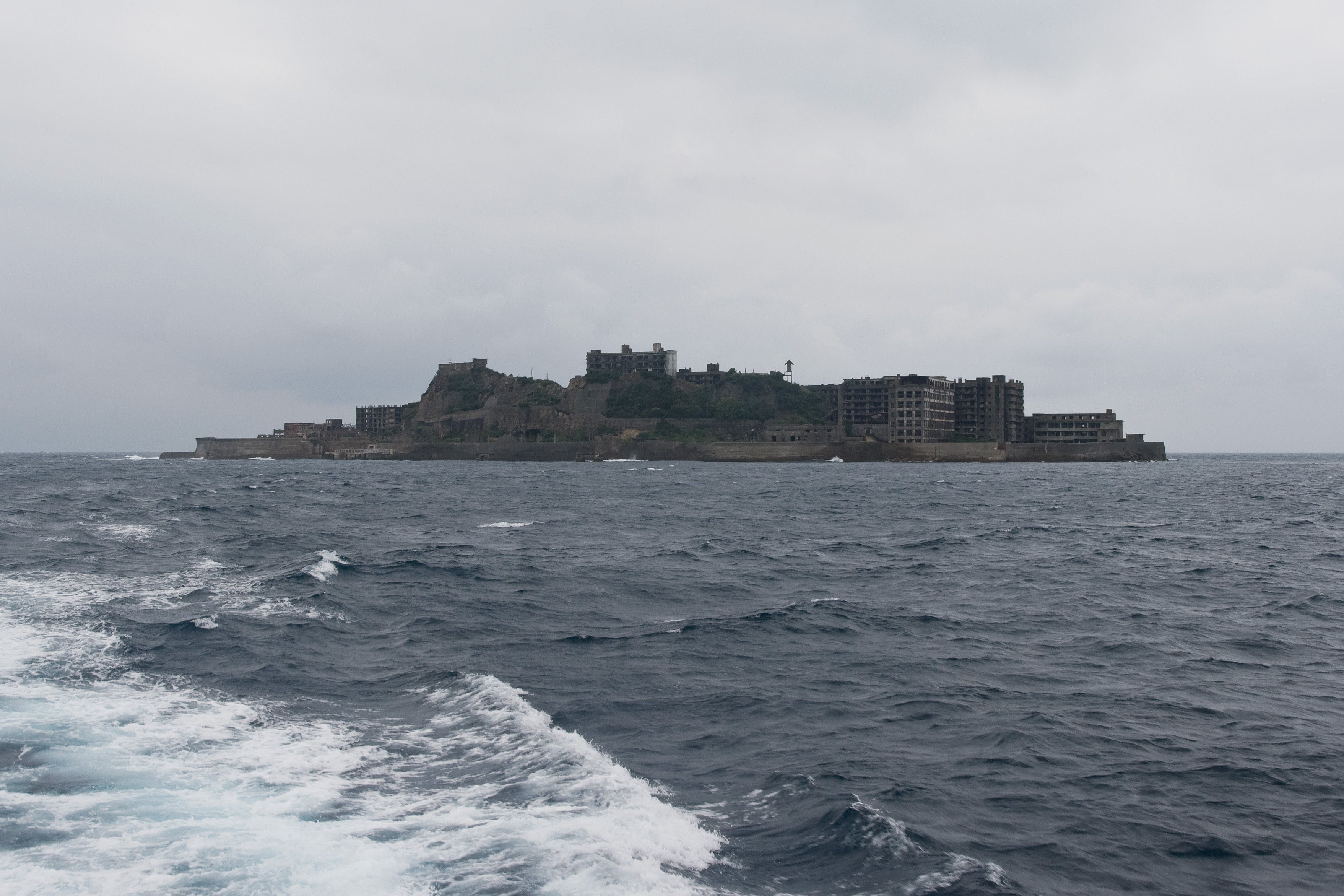
Battleship Island: The Most Crowded Place on Earth, Emptied in a Season
Sixteen acres of concrete once held 5,000 people in the highest population density ever recorded on Earth. When the coal ran out in 1974, everyone left within months, and Hashima Island has been decaying ever since.
31 July 2026 · 6 min read
Travel Tips
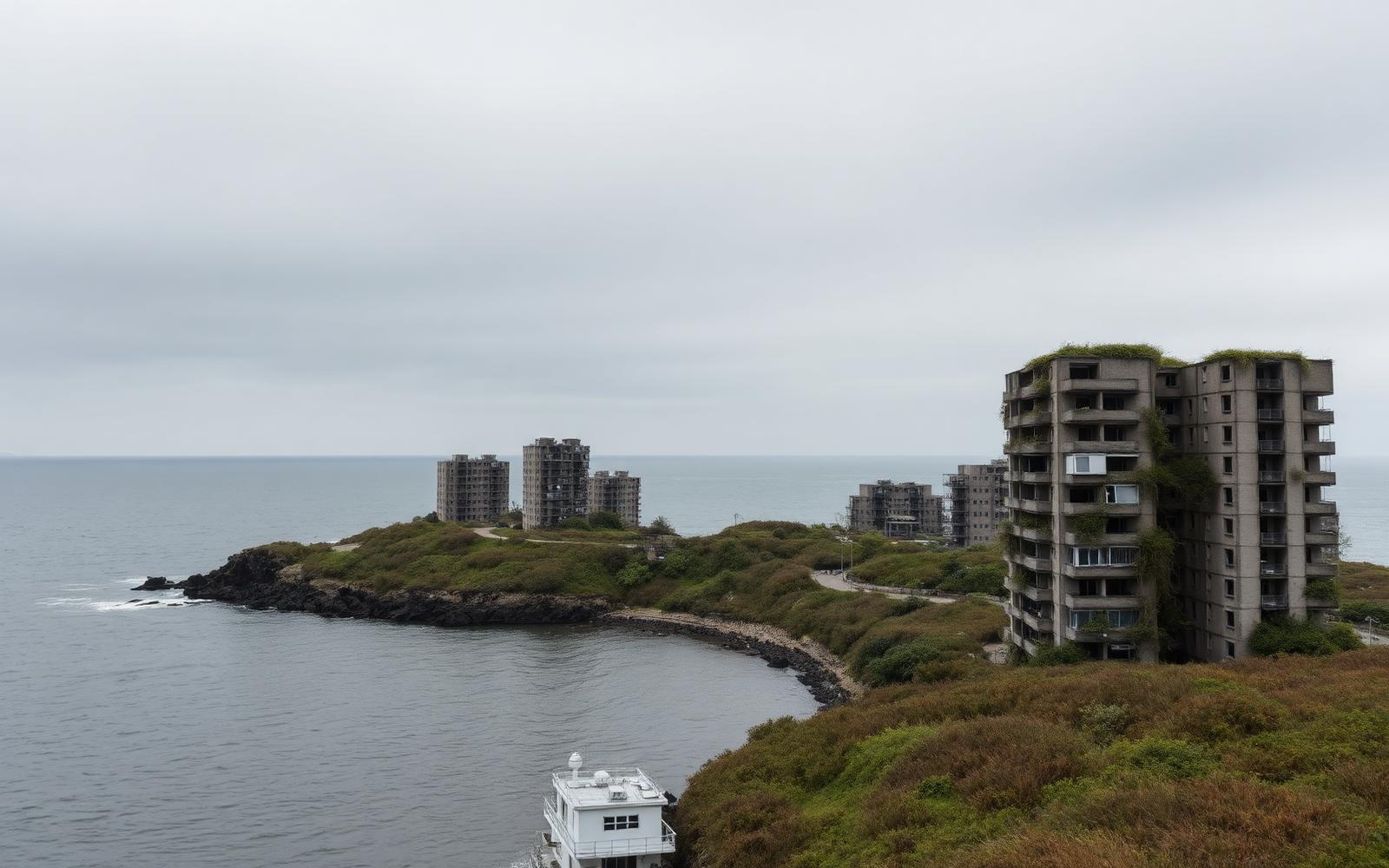
How to Photograph Abandoned Places Respectfully
To get amazing photos of forgotten ruins, think about the light, how to get permission, and being respectful.
25 July 2026 · 6 min read
Rate This Destination
What do you think of this destination? Share your rating with the GeisTrack community.
Community Rating
No ratings yet. Be the first to rate this destination.
Visitor opinion only — separate from the GeisTrack editorial mystery ratings above.
Been here? Share your experience
Have you visited this place? Tell other GeisTrack travelers what it was really like. Your experience may help someone plan their own visit.
No comments yet
No traveler comments yet. Be the first to share your thoughts.