Hakui & the Cosmo Isle Coast
Hakui, Ishikawa, JapanEdo period
Mystery rating
Hakui is a small city on the Sea of Japan coast that calls itself Japan's UFO town. It has a serious space museum with real spacecraft hardware, and local records of strange flying objects that go back to the Edo period, long before modern UFO stories began.
Why GeisTrack picked it
GeisTrack looks for places where old folklore and modern phenomena overlap in a documented way, and Hakui is a clean example. It isn't just a roadside UFO attraction; it's a coastal town with genuine historical records, a real spaceflight collection, and one of Japan's most scenic drivable beaches within reach.
Why it's famous
Hakui is the rare UFO hotspot with paperwork. Local records from the Edo period (1603-1868) describe *sōhachi-bon*, objects shaped like inverted rice bowls seen flying over the coast, long before the modern flying-saucer craze began in 1947. In 1996 the town opened Cosmo Isle Hakui, a museum that pairs a genuine aerospace collection with a large UFO document archive. The collection includes a Vostok descent module acquired with Russian cooperation, a Mercury-Redstone rocket, an Apollo command module replica and a lunar rover replica, gathered with help from NASA and Russia. Alongside these sit declassified reports, sighting logs and material from investigators worldwide. It's an unusual pairing: a city-funded institution treating both space exploration and unexplained sightings as subjects worth serious archiving, rather than picking one or the other.
History
Hakui's connection to mysterious flying objects is well-documented in local records from Japan's Edo period (1603-1868). These documents describe *sōhachi-bon*, which were objects shaped like inverted rice bowls. To explore this further, the town opened Cosmo Isle Hakui in 1996. This unique museum brings together a real aerospace collection, acquired with help from NASA and Russia, and a vast archive of UFO documents. While Hakui focuses on historical and collected accounts, the Yatsugatake mountain range, located inland to the southeast, is currently Japan's busiest area for modern UFO sightings.
The full story
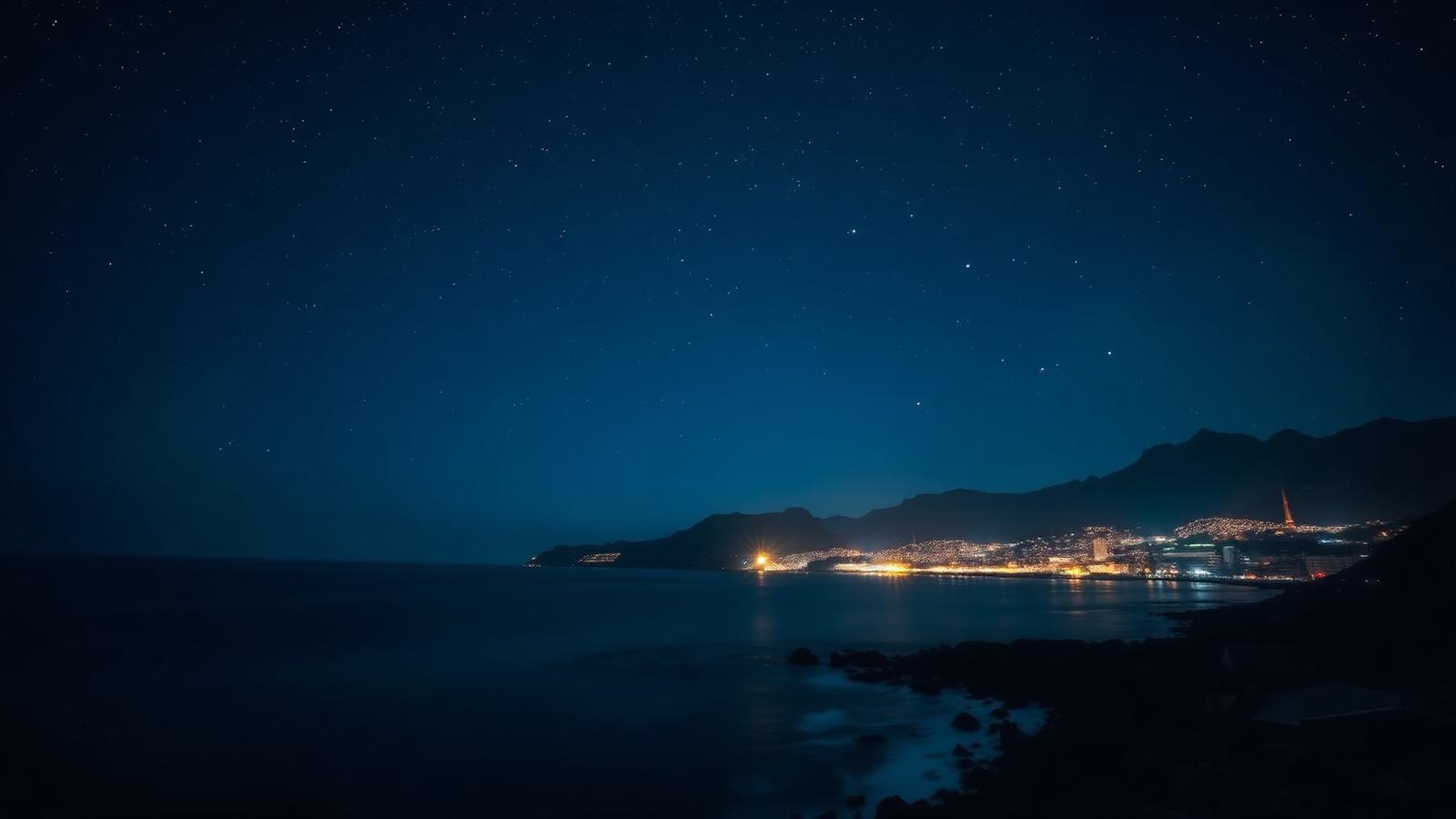
Hakui is a peaceful town on the western side of Japan's Noto Peninsula. It faces the Sea of Japan, with a long, gray beach where you can actually drive your car. This town of only about 20,000 people offers hot springs, a famous shrine, and, surprisingly, one of the best space museums in the country. It's also known as Japan's top UFO town, by a long shot. What makes this claim so special is the unusual amount of written proof. Local records from centuries ago describe something called *sōhachi-bon*, which was a flying object shaped like an upside-down rice bowl. These accounts come from the Edo period (1603-1868), long before the idea of 'flying saucers' became popular after 1947. So, Hakui's connection to strange things in the sky isn't a new trend; it's an old story. When modern UFO sightings started, the town already had a way to understand them. Hakui decided to build the Cosmo Isle Hakui museum, which opened in 1996. It's probably not what you'd expect! This isn't just a quirky exhibit; it's a real aerospace museum. Inside, you'll find amazing artifacts like a Vostok descent module (a part of a Russian spaceship), a Mercury-Redstone rocket, a replica of an Apollo command module, and a lunar rover replica. These were collected with help from NASA and Russia. But right alongside these space treasures, you'll also discover a huge archive of UFO documents, including declassified reports, sighting logs, and materials from investigators around the world. The museum cleverly puts these two subjects side-by-side, showing that Hakui takes both space exploration and unexplained aerial phenomena seriously enough to house them in a proper building. While many modern UFO reports in Japan come from a bit further south and inland, near the Yatsugatake mountain range (where high altitudes, dark skies, and observatories attract many accounts), Hakui is where these phenomena are studied and collected. Between its museum, the archive, and its beautiful coastline, Hakui is the perfect place in Japan for anyone who wants to explore this topic thoughtfully and enjoy a stunning location at the same time. And it truly is beautiful here. The Chirihama Nagisa Driveway lets you drive for eight kilometers right along the hard-packed sand by the ocean. Just ten minutes away, you'll find Keta Taisha, one of the oldest shrines on the Sea of Japan coast, nestled in a cedar forest. Watching the sunset over the Sea of Japan from the Noto shoreline is an unforgettable experience, offering one of East Asia's most wide-open horizons. And once the sun goes down, the sky over the water becomes incredibly dark, just like the darkest spots in central Honshu.
Legends & sightings
The local legend of the *sōhachi-bon* describes a glowing, bowl-shaped object seen flying over the Hakui coast during the Edo period. This tradition existed and was recorded centuries before anyone ever used the term 'flying saucer.'
Fact or legend?
Documented: Cosmo Isle Hakui is a real museum with genuine space artefacts, including hardware from US and Soviet programmes. Historical records: old Japanese documents from the area describe unusual objects in the sky, including the well known Utsuro-bune story of a strange vessel washed ashore in 1803. These are historical texts, not proof of anything from space. Claims: modern sightings around Hakui are reported locally and have not been verified.
Field notes
- Cosmo Isle Hakui opened in 1996 and holds a Vostok descent module, a Mercury-Redstone rocket and Apollo-programme hardware.
- Local Edo-period records describe sōhachi-bon, an inverted-rice-bowl-shaped flying object seen over the coast.
- The Chirihama Nagisa Driveway is one of the only beaches in Japan where ordinary cars can drive along the waterline, for about eight kilometres.
- Keta Taisha shrine nearby is among the oldest on the Sea of Japan coast.
- The Yatsugatake range, Japan's most active modern sighting area, lies inland on the Nagano–Yamanashi border.
Our verdict
GeisTrack Verdict
Hakui works well as a stop for anyone curious about UFO culture who also wants a real museum experience rather than a novelty shop. The aerospace hardware alone is worth the two hours the museum deserves. Don't expect dramatic modern sightings here, though; for that, Japan's hotspot is the Yatsugatake range further south, not Hakui itself. Pair the museum visit with a drive along the Chirihama Nagisa Driveway at sunset and a stop at Keta Taisha shrine, and this becomes a satisfying half-day trip from Kanazawa rather than a niche detour. Check tide conditions before driving on the beach.
Editorial assessment based on research, not a sponsored review. See our editorial policy.
Can you visit?
Yes. Cosmo Isle Hakui is a public museum with normal opening hours, a ticket, and closed days each week, so check before you travel. The town itself is open and easy to walk around.
How to get there
1. Fly into Komatsu (KMQ) or Noto (NTQ), or take the Shinkansen to Kanazawa. 2. From Kanazawa, take the JR Nanao line north to Hakui station. It is roughly 40 minutes to an hour. 3. The museum is a short walk or taxi ride from the station. Japanese trains make this easy without a car.
Before you go
Check the museum's closed days and opening hours before going. Carry some cash. Small places in Japan are not always card friendly. The nearby Chirihama beach lets cars drive on the sand, which is unusual and popular. A half day is enough for the museum, a full day if you explore the Noto coast.
Travel tips
Hakui is about an hour's journey by train or car from Kanazawa, making Kanazawa a convenient home base for your trip. Plan to spend a good two hours at Cosmo Isle; its space collection truly deserves that time. Try to arrive in the late afternoon so you can enjoy driving on the beach at sunset, and then stay for the breathtaking dark sky.
Safety
The Chirihama beach driveway can close during high tide or bad weather, so always check local conditions before driving on it. Winter storms along the Sea of Japan coast can be very strong. Otherwise, the usual Japanese travel safety guidelines apply.
What to expect
A modern museum with a large hall of real space hardware, plus displays on local UFO reports. It is calm and rarely crowded. The town is small and quiet, with a long beach and a coastline that is worth the trip on its own.
Frequently asked
Plan your trip
Book the practical parts of the journey. We may earn a commission from these partner links, at no extra cost to you.
Plan your visit
Getting to Hakui & the Cosmo Isle Coast
Everything you need to turn this mystery into a trip. We may earn a commission from these partner links, at no extra cost to you.
- Best time to visit
- The best times to visit are from April to June and then from September to November. Winters on the Sea of Japan coast often bring heavy clouds and strong winds.
- Opening hours
- Cosmo Isle Hakui open daily except Tuesdays, typically 09:00–17:00; the coast is open access
- Entrance fee
- Museum admission is modest; the beach driveway and shrine are free
Continue your GeisTrack
Other places on GeisTrack that pair well with Hakui & the Cosmo Isle Coast — same kind of story, or the same corner of the map.
Make it a route
Use Kanazawa as a base and combine Hakui with the Noto Peninsula coast road.
United States
Roswell
In July 1947 something crashed on a ranch outside Roswell, New Mexico. The local air base first told newspapers it had recovered a flying disc, then said it was a weather balloon. That one day turned a quiet farming town into the centre of UFO culture.
Australia
Wycliffe Well
Wycliffe Well is a roadhouse on the Stuart Highway in Australia's Northern Territory, hundreds of kilometres from anywhere. It calls itself the UFO capital of Australia, and the walls are covered in painted aliens and newspaper cuttings of sighting reports.
Peru
The Nazca Lines
In the desert south of Lima, Peru, huge shapes are drawn into the ground: a hummingbird, a monkey, a spider and hundreds of straight lines. They were made between roughly 500 BC and 500 AD by removing dark stones to show the pale soil underneath. From the ground they are almost invisible. From the air they are enormous.
Japan
Hashima Island
Hashima, known as Battleship Island, is a small concrete island off Nagasaki. Thousands of coal miners and their families lived here in some of Japan's first big concrete apartment blocks. The mine closed in 1974 and everyone left within weeks. The buildings have been falling apart ever since.
Or browse every ufo alien sites entry, or open the interactive atlas.
Read the story
Long-form journal writing about Hakui & the Cosmo Isle Coast.
Rate This Destination
What do you think of this destination? Share your rating with the GeisTrack community.
Community Rating
No ratings yet. Be the first to rate this destination.
Visitor opinion only — separate from the GeisTrack editorial mystery ratings above.
Been here? Share your experience
Have you visited this place? Tell other GeisTrack travelers what it was really like. Your experience may help someone plan their own visit.
No comments yet
No traveler comments yet. Be the first to share your thoughts.