The Nazca Lines
Nazca, Ica, PeruPre-Columbian
Mystery rating
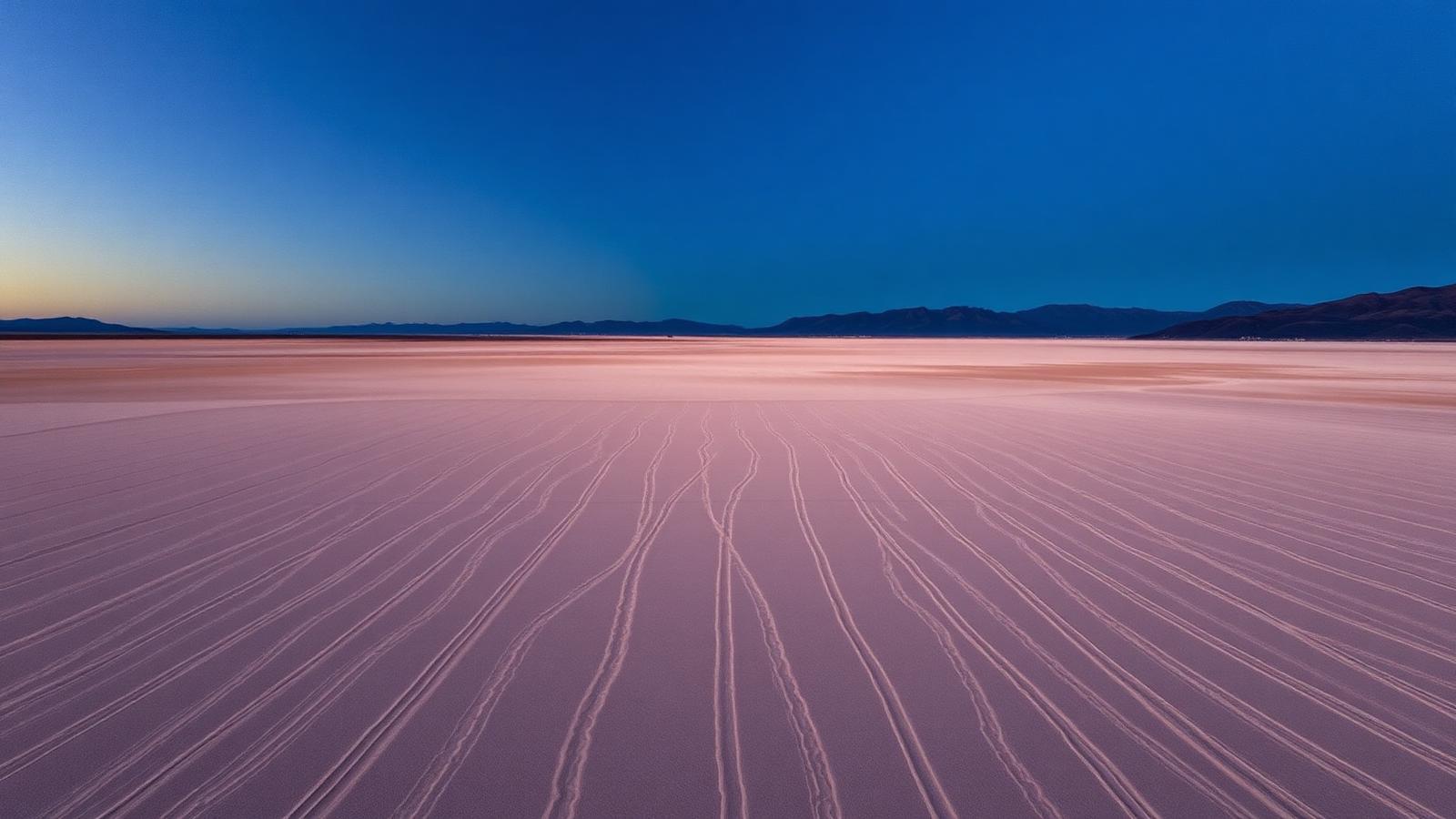
In the desert south of Lima, Peru, huge shapes are drawn into the ground: a hummingbird, a monkey, a spider and hundreds of straight lines. They were made between roughly 500 BC and 500 AD by removing dark stones to show the pale soil underneath. From the ground they are almost invisible. From the air they are enormous.
Why GeisTrack picked it
Few sites let visitors compare a genuine archaeological mystery against active government interest in unexplained aerial activity in the same airspace. The lines themselves are an engineering puzzle solved with stakes and cord, not spacecraft, but the ongoing DIFAA reports give Nazca a rare second layer of unresolved intrigue that has nothing to do with ancient history.
Why it's famous
The Nazca Lines are the largest and best-preserved geoglyphs on Earth, and they were made by people who could never have seen them from above. That fact alone has kept the site famous for decades, but the ancient astronaut theory popularised by Erich von Däniken's 1968 book Chariots of the Gods gave it a second life as an alien landing-strip story, despite archaeologists showing the ground is too soft and the trenches too shallow for that to be plausible. What keeps UFO researchers interested today is separate from the lines themselves: Peru's Air Force reopened DIFAA, its office for investigating aerial phenomena, in 2013, and pilots flying tourists over the desert are among those who report unusual sightings. Archaeologists now favour a more grounded explanation, connecting many lines to ancient underground aqueducts and suggesting the geoglyphs served ritual or astronomical purposes tied to water and farming.
History
The Nazca culture created these amazing ground drawings, or geoglyphs, sometime between 500 BCE and 500 CE. They did this by clearing away the dark surface stones of the pampa to show the lighter ground below. Maria Reiche, a German mathematician, dedicated herself to studying and protecting the site from the 1940s until she passed away in 1998. The Nazca Lines were recognized as a UNESCO World Heritage Site in 1994. In 2013, Peru's Air Force reopened its official office, DIFAA, which investigates unusual aerial sightings.
The full story
When you stand on the ground, the Nazca Lines are almost invisible. They're just shallow grooves, about eight to twelve inches deep. Someone carefully scraped away the dark, weathered stones on the pampa (a flat, treeless plain) to reveal the lighter soil underneath. But climb into a plane and fly 1,000 feet up, and suddenly they come to life! You'll see a hummingbird 300 feet wide, a monkey with a curly tail, a spider, and a condor with an incredible 425-foot wingspan. There are also hundreds of perfectly straight lines that run for miles, even over hills, without wavering. All together, more than 800 straight lines, 300 geometric shapes, and 70 animal and plant designs cover about 170 square miles of desert between the towns of Nazca and Palpa. The Nazca people created these magnificent geoglyphs — that's a fancy word for ground drawings — sometime between 500 BCE and 500 CE. They've lasted so long because this part of Earth is incredibly dry. There's almost no rain, very little wind at ground level, and the stony surface preserves every mark for thousands of years. What they were actually for is still a big mystery. Maria Reiche, a German mathematician, spent fifty years measuring and protecting them. She believed they were an astronomical calendar, helping ancient people track the stars and seasons. More recently, archaeologists have suggested they might have been ritual pathways, perhaps for processions related to water and farming. This idea makes sense because many lines point towards ancient underground aqueducts, which are water channels. The idea that aliens were involved really took off in 1968, thanks to Erich von Däniken. He suggested the straight lines were landing strips for spacecraft and the animal figures were signals to visitors from other worlds. Archaeologists quickly showed why this wasn't true: the ground is too soft, the trenches are too shallow, and the Nazca people left clear evidence of how they made them, using stakes, cords, and scaled-up drawings. Still, the alien theory stuck to Nazca, and it's often why many visitors first hear about this incredible place. But what truly keeps the Nazca Lines on the radar for UFO enthusiasts is a different and even more intriguing story. Peru is one of the few countries that has an official government office dedicated to investigating strange sightings in the sky. This office, called DIFAA (part of the Air Force), was created, then closed, and then reopened in 2013 because so many people were reporting unusual aerial phenomena. The skies over Peru's southern desert are a hotspot for these reports, and the pilots who fly tourists over the Lines are often among those reporting strange things. Your first reason to visit should definitely be the geoglyphs themselves. You can take a flight from the Maria Reiche Neuman Aerodrome near Nazca or from Pisco. These small planes bank sharply over each figure, so if you get motion sickness, take it seriously! It's best to fly early in the morning when the air is calm and the low sun casts shadows that make the lines stand out. Then, consider staying the night. Nazca is located under one of the darkest, driest night skies in all of South America. After sunset, the desert sky does more than any theory to explain why people here have always gazed upward in wonder.
Legends & sightings
In his 1968 book, "Chariots of the Gods," Erich von Däniken suggested that the straight lines were landing strips for alien spacecraft and the figures were messages for visitors from space. While archaeologists don't agree with this theory, it's still often the first thing many travelers hear about Nazca.
Fact or legend?
Documented: the Nazca people made them, and they survive because this is one of the driest places on Earth with almost no wind or rain. It is a UNESCO World Heritage Site. New figures are still being found, now with drones and AI. Debated: why they were made. Ideas include water and astronomy rituals, processional paths and clan markers. Researchers do not agree. Not supported: the alien landing strip idea, popularised by Erich von Däniken. The lines are shallow scrapes in loose stone and could not support any aircraft.
Field notes
- The site covers roughly 450 square kilometres and contains more than 800 straight lines, 300 geometric figures and 70 animal and plant designs.
- The trenches are only 20 to 30 centimetres deep; they survive because the Nazca desert receives almost no rainfall.
- The condor geoglyph has a wingspan of about 130 metres.
- Maria Reiche spent more than fifty years surveying and protecting the lines and is buried near the site.
- Peru is one of very few countries with an official government office dedicated to investigating aerial phenomena; it reopened in 2013.
Our verdict
GeisTrack Verdict
The Nazca Lines are worth the flight for the sheer scale and precision of the figures, best seen early morning when low sun casts shadows across the grooves. Anyone expecting proof of extraterrestrial involvement will be let down; the archaeological explanation is solid and well-supported. What's genuinely worth staying for is the desert sky itself — Nazca sits under some of the darkest, driest skies in South America, and an overnight stay adds far more than a rushed day trip from Lima. Expect steep banking turns on the flight and take motion-sickness precautions seriously.
Editorial assessment based on research, not a sponsored review. See our editorial policy.
Can you visit?
Yes. Most people see the lines from a small plane on a short sightseeing flight from Nazca or Pisco. There is also a roadside viewing tower on the Pan-American Highway that shows a few figures, and a natural viewpoint hill. Walking on the lines is forbidden and damages them permanently.
How to get there
1. Fly into Lima (LIM). 2. Travel south along the Pan-American Highway to Nazca by long distance bus or car. It is a long journey, most of a day by road. 3. Flights leave from Maria Reiche Neuman airfield at Nazca, or from Pisco if you are coming from Paracas. Many visitors break the journey in Paracas or Ica.
Before you go
Book flights with an established operator and check their safety record. This matters here. Fly in the morning. Air is calmer and visibility better. The small planes bank steeply and many passengers feel sick. Eat lightly and consider medication. Flights are often delayed by wind or fog, so keep the day flexible. Bring sun protection. The desert is intense.
Travel tips
If you want the most time flying over the figures, choose to fly from Nazca rather than Pisco. It’s a long drive from Lima, so it's much better to stay overnight in Nazca instead of trying to do a day trip — the incredible desert night sky is a huge part of the experience. You can easily spend an afternoon exploring the Maria Reiche museum and the ancient Cantalloc aqueducts.
Safety
Prepare for steep turns during overflights, as motion sickness is quite common. Eat lightly before your flight and choose an early morning departure. Always double-check your tour operator's safety record. Remember, walking on the pampa is forbidden and can permanently damage these precious geoglyphs.
What to expect
The flight lasts around 30 minutes and the pilot circles each figure so both sides of the plane can see. It is bumpy. On the ground, the viewing tower and the small museums explain how the lines were made and how Maria Reiche spent decades protecting them. One full day covers it.
Visit with respect
Never walk or drive on the lines. Tyre and boot marks last for centuries here.
Frequently asked
Plan your trip
Book the practical parts of the journey. We may earn a commission from these partner links, at no extra cost to you.
Plan your visit
Getting to The Nazca Lines
Everything you need to turn this mystery into a trip. We may earn a commission from these partner links, at no extra cost to you.
- Best time to visit
- The best time to visit is during the dry season, from April to November. Early morning flights offer the calmest air and the best light to see the lines clearly.
- Opening hours
- Overflights operate in daylight, typically from early morning; the roadside Mirador tower is open daily
- Entrance fee
- Overflight fares vary by operator; the observation tower charges a small entry fee
Continue your GeisTrack
Other places on GeisTrack that pair well with The Nazca Lines — same kind of story, or the same corner of the map.
Make it a route
Combine Nazca with Paracas, the Ballestas Islands and the Huacachina oasis on a southern Peru route.
United States
Roswell
In July 1947 something crashed on a ranch outside Roswell, New Mexico. The local air base first told newspapers it had recovered a flying disc, then said it was a weather balloon. That one day turned a quiet farming town into the centre of UFO culture.
Australia
Wycliffe Well
Wycliffe Well is a roadhouse on the Stuart Highway in Australia's Northern Territory, hundreds of kilometres from anywhere. It calls itself the UFO capital of Australia, and the walls are covered in painted aliens and newspaper cuttings of sighting reports.
Japan
Hakui & the Cosmo Isle Coast
Hakui is a small city on the Sea of Japan coast that calls itself Japan's UFO town. It has a serious space museum with real spacecraft hardware, and local records of strange flying objects that go back to the Edo period, long before modern UFO stories began.
Or browse every ufo alien sites entry, or open the interactive atlas.
Read the story
Long-form journal writing about The Nazca Lines.
Rate This Destination
What do you think of this destination? Share your rating with the GeisTrack community.
Community Rating
No ratings yet. Be the first to rate this destination.
Visitor opinion only — separate from the GeisTrack editorial mystery ratings above.
Been here? Share your experience
Have you visited this place? Tell other GeisTrack travelers what it was really like. Your experience may help someone plan their own visit.
No comments yet
No traveler comments yet. Be the first to share your thoughts.