The Nazca Lines Were Not Landing Strips — Go Anyway
GeisTrack Editorial · 4 August 2026 · 7 min read
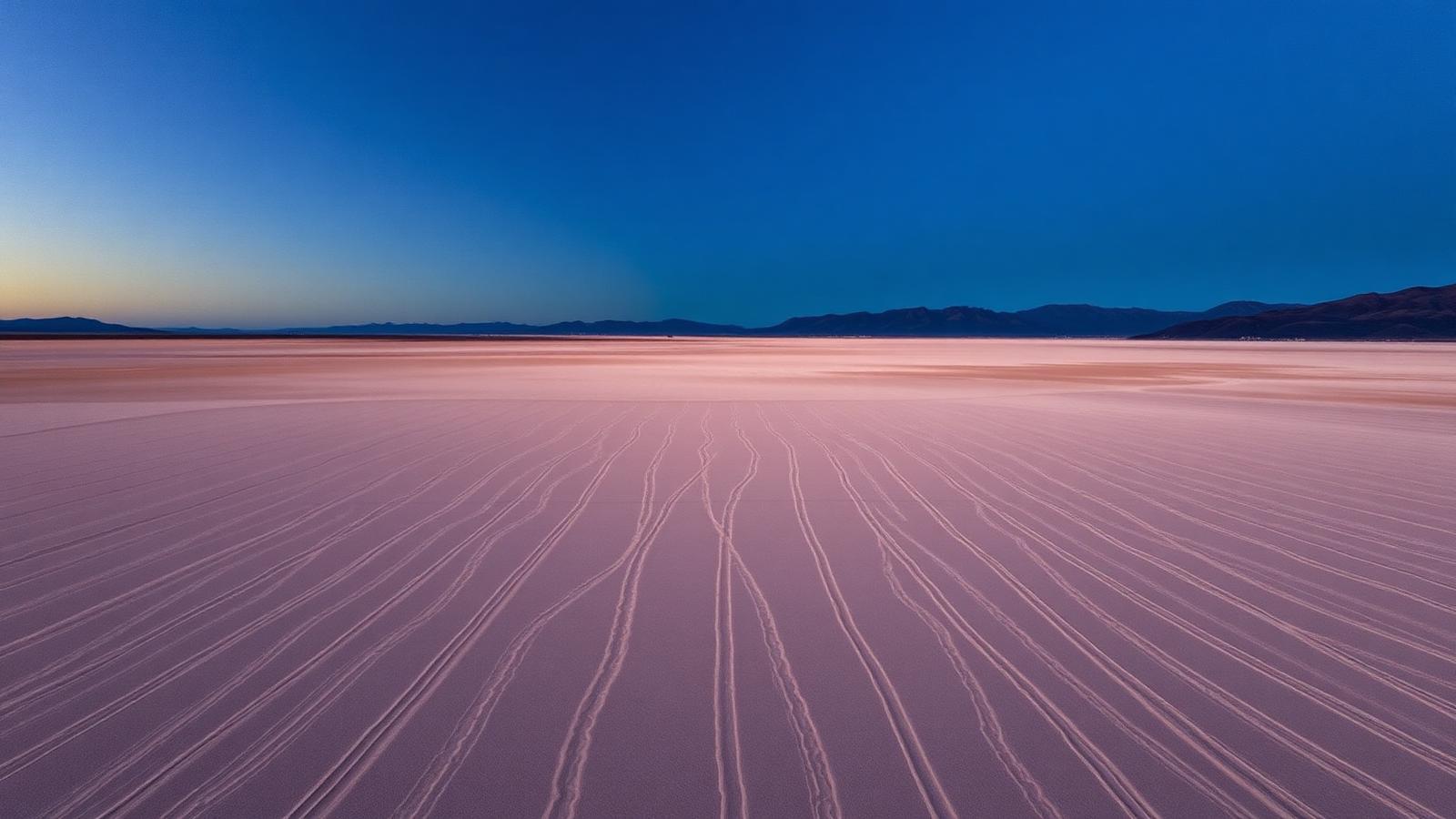
The idea that ancient aliens created the Nazca Lines is wrong. We'll share the real story behind these amazing desert drawings and show you the best way to see them from above.
Back in 1968, Erich von Däniken published his book, *Chariots of the Gods*. He claimed that the straight lines carved into the Nazca desert floor were landing strips for alien spacecraft. This idea is why many people first heard about Nazca, but it's completely incorrect.
Let's look at the facts. These lines are only about 20 to 30 centimeters deep. They were made by scraping away a dark top layer of rock to reveal lighter ground underneath. The material below is quite soft. If anything heavier than a person tried to land there, it would simply destroy the lines. Plus, the ancient Nazca people left clear evidence showing how they made these huge drawings: they used stakes, ropes, and small models to scale up their designs across the vast desert.
Once you set aside the alien theories, the real story of Nazca becomes even more incredible. From about 500 BCE to 500 CE, a culture from before Columbus arrived in the Americas covered 450 square kilometers of desert with more than 800 straight lines, 300 geometric shapes, and 70 designs of animals and plants. Imagine a hummingbird stretching 93 meters, a condor with a 130-meter wingspan, or a monkey with a spiral tail – and the people who made them could never see the entire drawing from the ground.
These amazing artworks have lasted so long because Nazca is one of the driest places on Earth. There’s almost no rain, very little wind at ground level, and the stone surface can preserve a scratch for two thousand years.
So, what were they for? Maria Reiche, a German mathematician, spent 50 years measuring and protecting them. She believed they were an astronomical calendar, perhaps tracking stars or seasons. Modern archaeologists now lean towards a different idea: that they were ritual pathways linked to water. Many lines connect to points where underground channels, called aqueducts, brought water for farming. Walking these lines in a procession would fit both their layout and what we know about the Nazca culture.
Now, for a genuine UFO connection – but it has nothing to do with the geoglyphs themselves. Peru actually has one of the world's few official government offices dedicated to investigating strange aerial sightings. It's run by their Air Force and was reopened in 2013 after more reports started coming in. The skies over Peru's southern desert, including Nazca, are a common spot for these kinds of sightings.
To truly appreciate the lines, you need to fly over them. Small planes take off from the aerodrome just outside Nazca, or you can fly from Pisco. These planes will bank sharply so you can get a good look at each figure. Try to fly early in the morning; the air is calmer, the light is soft, and the shallow trenches of the lines stand out better. A quick warning: don't eat much beforehand. Motion sickness is very common on these flights, not rare.
After your flight, consider staying the night in Nazca instead of driving straight back to Lima. The desert sky here is one of the darkest in South America. Spend an hour outside town after dinner, and you’ll understand, better than any theory, why the people in this place have always looked up at the stars.
Plan the trip
Book this journey
We may earn a commission from these partner links, at no extra cost to you.
Visit the place
Practical details, mystery rating and how to plan the trip.