Forty Years of Lights Over a Norwegian Valley
GeisTrack Editorial · 31 July 2026 · 6 min read
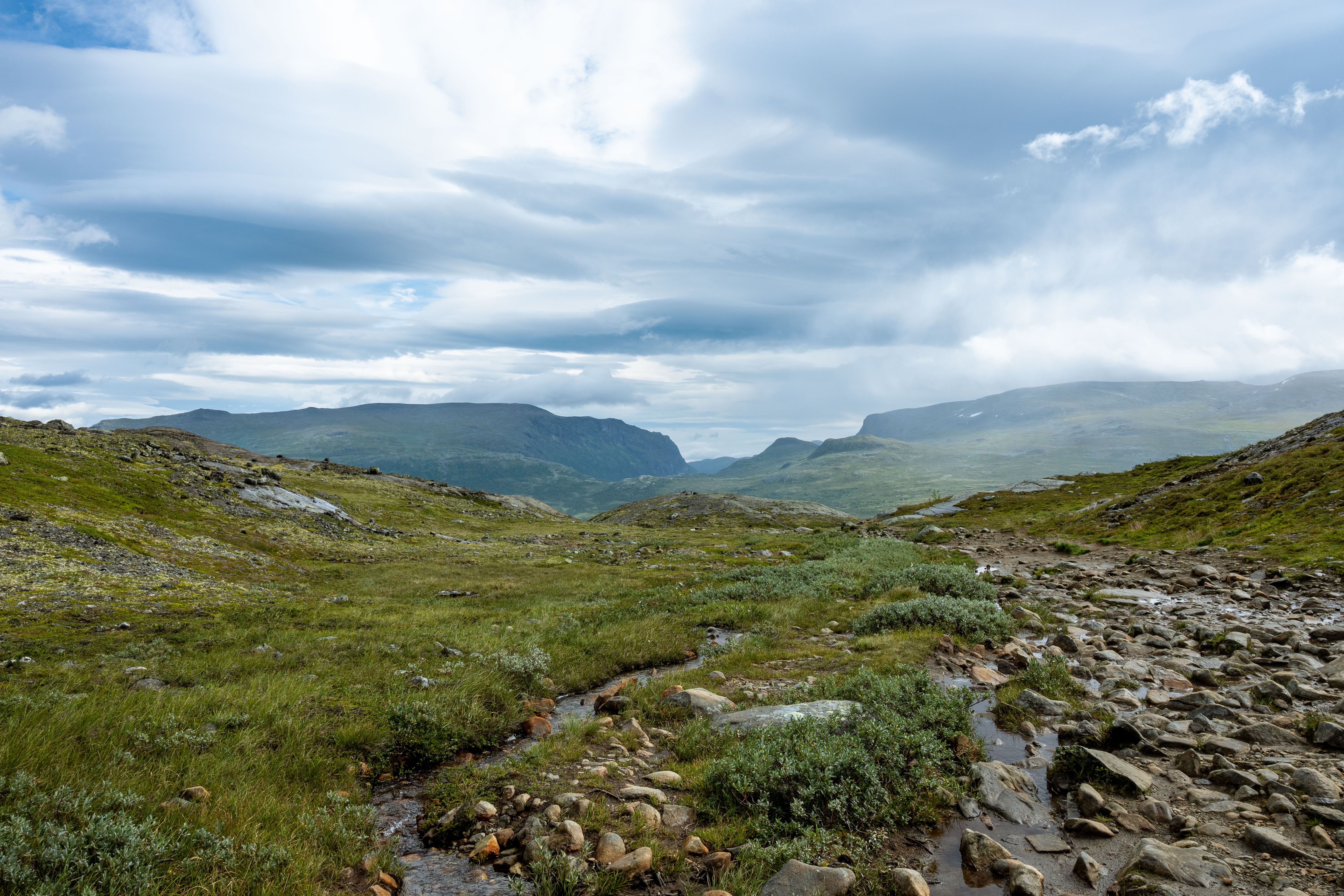
It's been filmed, measured with special tools, and tracked for forty years, yet these strange lights in the sky are still a complete mystery.
Hessdalen is a peaceful valley in Trøndelag, Norway, about 120 kilometers south of Trondheim. It’s home to farms, forests, an old copper-mining area, and roughly 120 people. But between December 1981 and the summer of 1984, residents started seeing mysterious lights, sometimes up to twenty times a week. These weren't just distant flashes; they were car-sized objects, glowing white, yellow, and red, that drifted slowly below the ridgelines, hovered for an hour, and occasionally shot off at incredible speeds.
What happened next is why this valley truly deserves your attention. Instead of ignoring these strange sightings, scientists actually came to investigate and set up their equipment. Project Hessdalen kicked off in 1983 with a big research effort, using cameras, radar, spectrum analyzers (tools to measure light), magnetometers (to measure magnetic fields), and seismographs (to measure ground tremors). Then, in 1998, an automatic observation station was installed and has been running ever since. Østfold University College has even brought students here for an annual field course for years, often joined by Italian researchers.
And they’ve gathered real data. They've detected radar signals without seeing anything with their eyes, and seen lights without any radar returns. They've even analyzed the light to find what looks like silicon, iron, scandium, and titanium in the glowing areas. They’ve seen objects that pulse in sync with changes in the magnetic field. While the lights don’t appear as often as they did in the 1980s, they haven't stopped.
Many theories try to explain the lights, but none quite fit all the pieces together. One of the most detailed ideas is called the natural battery hypothesis. It suggests that the valley floor is rich in zinc and iron on one side, and copper on the other, with sulfur-rich river water flowing between them. This setup could create ionized gas, almost like a geological battery. Other theories involve tiny charged particles forming crystals or electrical effects from stressed quartz rocks. But honestly, none of these fully explain all the lights' behaviors. So, the scientific conclusion remains: something real is happening here, and no one has figured it out yet.
Getting to Hessdalen is quite easy and a beautiful drive. You can come from Trondheim or Røros. Røros, a historic wooden mining town, is a UNESCO World Heritage site and makes an excellent base for your trip. Once you’re in the valley, head to the Hessdalen Interactive Observatory hut at Aspåskjølen. Here, you'll find a viewing platform and information boards facing the ridges where the lights often appear. Make sure to bring plenty of warm clothes, more than you think you’ll need, a tripod for your camera, and lots of patience. This isn't a guaranteed show; it's more like a stakeout.
Your best chances are from late autumn through winter, when the nights are longest. Plus, you might even see the Northern Lights glowing over the same skyline. Nothing is certain, of course. But sitting out there in the freezing cold with a thermos, watching a dark ridge under a sky full of stars, you’ll understand exactly why researchers keep coming back to this mysterious valley.
Plan the trip
Book this journey
We may earn a commission from these partner links, at no extra cost to you.
Visit the place
Practical details, mystery rating and how to plan the trip.