The Hessdalen Lights
Hessdalen, Trøndelag, Norway20th century
Mystery rating
In the Hessdalen valley in central Norway, strange lights appear in the sky. They can be white, yellow or red, and they sometimes hover for over an hour. Scientists have been measuring them since 1983 with an automatic station. Nobody has fully explained them.
Why GeisTrack picked it
Hessdalen offers something few haunted or UFO destinations can claim: forty years of continuous instrumented data collection rather than folklore alone. It sits at the intersection of hard science and unresolved mystery, backed by university researchers who keep returning because the phenomenon resists easy explanation.
Why it's famous
Hessdalen earned its reputation through sustained scientific attention rather than a single dramatic event. Sightings began in late 1981 and peaked between 1982 and 1984, when hundreds of residents, including farmers, teachers, and police officers, independently reported white or yellow spheres hovering low over the valley, some moving against the wind. In 1983, Norwegian scientists launched Project Hessdalen, spending the winter of 1984 recording data with cameras, radar, magnetometers, and seismographs. They logged 188 observations and matched some visual sightings to radar returns, but reached no explanation. Since 1998, Østfold University College has run an automatic measurement station that monitors the valley continuously, later joined by Italy's CNR institute and its EMBLA research campaigns. Sightings still occur, roughly ten to twenty times a year, mostly in winter. The leading hypothesis involves an ionized plasma generated by the valley's unusual metal-rich geology, though this doesn't fully explain reports of structured shapes or sharp directional changes.
History
Hessdalen is a valley about 12 kilometers (7.5 miles) long, dotted with farms, located south of Trondheim and close to the old copper-mining town of Røros. The strange events began in late 1981 and reached their peak between 1982 and 1984. During this time, hundreds of people reported seeing the lights independently – farmers, teachers, police officers, and drivers passing through. Often, these sightings were up close and at a low altitude. In 1983, a group of Norwegian scientists launched 'Project Hessdalen.' They spent the winter of 1984 in the valley, equipped with cameras, devices to analyze light (spectrum analyzers), radar, magnetometers (to measure magnetic fields), and seismographs (to detect ground tremors). They recorded 188 observations, took photographs, and even picked up radar signals that matched what people were seeing with their eyes. But despite all this data, they couldn't explain the lights. In 1998, Østfold University College set up the Hessdalen Automatic Measurement Station, which has been constantly monitoring the sky ever since. Italy's CNR institute later joined in with its EMBLA campaigns. Today, there's a student field station and a small research center in the valley, and Norwegian universities use it for instrumentation courses. Sightings still happen, though not as frequently – usually about ten to twenty times a year, mostly in winter. Four decades of collecting data have helped scientists narrow down the possibilities, but they still haven't solved the mystery. This long-standing enigma is quite unusual in this field, which is exactly why physicists keep coming back.
The full story
You'll find Hessdalen about a two-hour drive southeast of Trondheim. Honestly, the journey there, winding through the Gauldalen valley and up onto the plateau, is an adventure in itself. Don't expect big tourist attractions like ticket booths or cafes here – that's part of its charm. Instead, you'll discover a peaceful, working valley with a small information center and observation spot right in Hessdalen. There's also a clearly marked 'Blue Path' walking route with great viewpoints, and, of course, the vast, open sky. Try to visit in winter. This is when most sightings happen, usually between November and February. The nights are incredibly long, stretching for sixteen hours, and the air on the cold, clear plateau is perfect for stargazing. Drive your car to one of the marked viewpoints high above the valley floor and settle in for a long watch. You'll need patience, a thermos of something hot, and seriously warm clothes – think sleeping-bag-level warmth. Bring a camera on a tripod with a fast lens and set it to take pictures automatically over time. The best records of the phenomenon have come from people who set up their camera to keep snapping while they watched. Even if the lights don't appear, you'll be treated to one of the darkest skies in Europe, and there's a very good chance you'll see the spectacular Northern Lights (aurora) at this latitude. Make the charming town of Røros your base. It's only half an hour south and is a UNESCO World Heritage site, famous for its old mining history. Imagine tar-coated timber houses and grass-covered roofs, all looking magical under a blanket of snow. You'll find great places to eat and sleep here. While you're there, ask the locals about the lights. Most have a story or two and will tell them with a shrug that somehow feels more believable than any official report. Round out your trip by trying dog sledding, exploring the Røros copper mines at Olavsgruva, and perhaps stopping at Trondheim's magnificent Nidaros Cathedral on your way back. Summer visits are lovely for hiking, but the nights never get truly dark, and without that darkness, there's nothing to see.
Legends & sightings
The leading scientific idea tries to explain the lights using geology and chemistry. The valley floor contains a lot of metal, and its rock structure is unusually broken up, with deposits of scandium, copper, and zinc. A river carrying sulfurous (sulfur-rich) water also flows through the area. One theory suggests this creates a kind of natural battery effect across the valley, producing an ionized gas – a plasma – that would glow, drift, react to wind and magnetic fields, and show up on radar. Another idea points to burning clouds of dust from old mine waste. A third theory considers electric charges caused by stress in the rocks. Italian researchers have measured radio and light emissions that match what you'd expect from plasma, and the plasma model is currently the most respected scientific explanation. However, none of these theories fully account for reports of clearly structured shapes, sharp right-angle turns, objects that seem to keep pace with cars on the road, or the sheer length of some sightings – some lights have been watched for over an hour. Local people are surprisingly calm about it all. Farmers talk about "lysene" (the lights) in the same casual way they might discuss the weather. Older folklore from the Trøndelag region also mentioned them, calling them "hulderlys" – the lights of the hidden folk. These were lights seen over bogs and mining areas, meant to be observed but never followed. After forty years of study, the most compelling truth is this: something real is happening in that valley, and no one can yet say exactly what it is.
Fact or legend?
Documented: the lights are real and recorded. Project Hessdalen began in 1983 and an automatic measuring station has monitored the valley since 1998. Researchers from Norwegian and Italian universities have studied them. Theories: burning dust clouds, ionised gas, natural batteries formed by minerals in the valley, or a mix of causes. None is confirmed. Not proven: alien craft. The scientific work treats this as an unexplained natural phenomenon.
Field notes
- At the 1981–84 peak, lights were reported up to twenty times a week in a valley with only a few hundred residents.
- Project Hessdalen's 1984 field campaign logged 188 observations with cameras, radar and magnetometers.
- An automatic measurement station has monitored the valley continuously since 1998.
- Italy's CNR runs the EMBLA research campaigns here alongside Norwegian universities.
- The leading hypothesis is an ionised plasma generated by the valley's unusual metal-rich geology.
- Ten to twenty sightings are still reported each year, mostly in the winter months.
Our verdict
GeisTrack Verdict
This is a destination for patient, cold-tolerant travellers rather than casual sightseers. There are no ticket booths or cafes, just a marked walking route, an information center, and a lot of dark sky. Winter nights stretch sixteen hours and temperatures can drop to -20°C, so you need serious gear and realistic expectations: most nights, you'll see stars and possibly the aurora rather than anything unexplained. What sets Hessdalen apart is the scientific seriousness behind it. Physicists keep studying it precisely because the plasma theory doesn't cover everything reported. Base yourself in nearby Røros, a UNESCO mining town, and treat any light sighting as a bonus rather than the point.
Editorial assessment based on research, not a sponsored review. See our editorial policy.
Can you visit?
Yes. Hessdalen is an open valley with public roads and marked places where sky watchers gather, including a small observation post. There is no ticket, no gate and no guarantee of seeing anything. Most reported activity happens in the dark months.
How to get there
1. Fly into Trondheim (TRD) or take the train to Røros. 2. From Røros, drive north towards Ålen and into the Hessdalen valley. 3. A car is essentially required. Roads are quiet and buses are rare. Allow a couple of hours of driving from Trondheim, more in winter conditions.
Before you go
Go between late autumn and early spring for long dark nights, but expect winter driving conditions. Bring serious warm clothing. You will be standing still outdoors in the cold. Use winter tyres and check road reports if driving in the snow season. Bring a torch, hot drinks and full fuel. Book accommodation in Ålen or Røros. Options in the valley itself are very limited.
Travel tips
Visit in winter and plan to stay for at least three nights. Make sure to rent a car equipped with winter tires and book your accommodation in Røros. Prepare for hours of standing still in temperatures as low as -20°C (-4°F) by bringing a thermos and a tripod with a fast, wide lens for interval shooting. And don't forget to ask the locals where the lights have been seen most recently!
Safety
You'll be driving on rural mountain roads, experiencing freezing winter nights, and dealing with darkness. So, pack plenty of warm layers, carry a flashlight, and always keep your fuel tank full.
What to expect
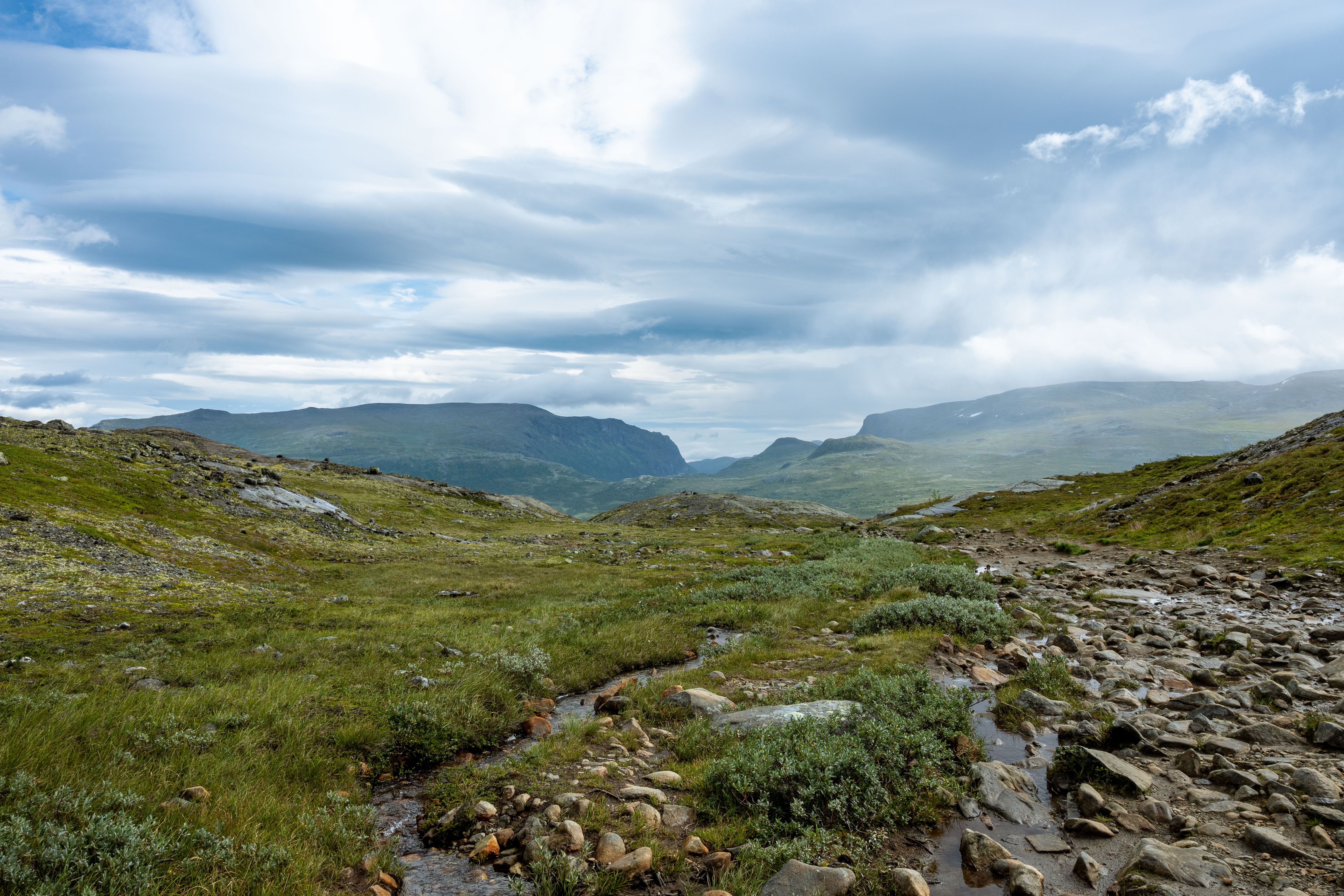
A wide, quiet Norwegian valley with farms, forest and very little light. In the daytime there is nothing to see beyond the landscape and the small information point. At night you park, wait and watch. Many visitors see nothing. Those who do usually describe slow moving lights low over the ridges.
Visit with respect
People live and farm in this valley. Park in proper places, do not block farm tracks and close gates behind you.
Frequently asked
Plan your trip
Book the practical parts of the journey. We may earn a commission from these partner links, at no extra cost to you.
Plan your visit
Getting to The Hessdalen Lights
Everything you need to turn this mystery into a trip. We may earn a commission from these partner links, at no extra cost to you.
- Best time to visit
- Between November and February, focusing on clear, moonless nights.
- Opening hours
- Open valley, accessible year-round
- Entrance fee
- Free
Continue your GeisTrack
Other places on GeisTrack that pair well with The Hessdalen Lights — same kind of story, or the same corner of the map.
Make it a route
Pair Hessdalen with Røros, a UNESCO listed old mining town, and the Trøndelag mountain roads.
United States
Roswell
In July 1947 something crashed on a ranch outside Roswell, New Mexico. The local air base first told newspapers it had recovered a flying disc, then said it was a weather balloon. That one day turned a quiet farming town into the centre of UFO culture.
Australia
Wycliffe Well
Wycliffe Well is a roadhouse on the Stuart Highway in Australia's Northern Territory, hundreds of kilometres from anywhere. It calls itself the UFO capital of Australia, and the walls are covered in painted aliens and newspaper cuttings of sighting reports.
Peru
The Nazca Lines
In the desert south of Lima, Peru, huge shapes are drawn into the ground: a hummingbird, a monkey, a spider and hundreds of straight lines. They were made between roughly 500 BC and 500 AD by removing dark stones to show the pale soil underneath. From the ground they are almost invisible. From the air they are enormous.
Norway
Norwegian Maritime Museum
The Norwegian Maritime Museum sits on the Bygdøy peninsula in Oslo, surrounded by other polar and ship museums. It tells the story of a country shaped entirely by the sea: fishing, shipwrecks, polar voyages and the boats that made them possible.
Or browse every ufo alien sites entry, or open the interactive atlas.
Read the story
Long-form journal writing about The Hessdalen Lights.
Rate This Destination
What do you think of this destination? Share your rating with the GeisTrack community.
Community Rating
No ratings yet. Be the first to rate this destination.
Visitor opinion only — separate from the GeisTrack editorial mystery ratings above.
Been here? Share your experience
Have you visited this place? Tell other GeisTrack travelers what it was really like. Your experience may help someone plan their own visit.
No comments yet
No traveler comments yet. Be the first to share your thoughts.