Norwegian Maritime Museum
Oslo, Oslo, NorwayViking Age
Mystery rating
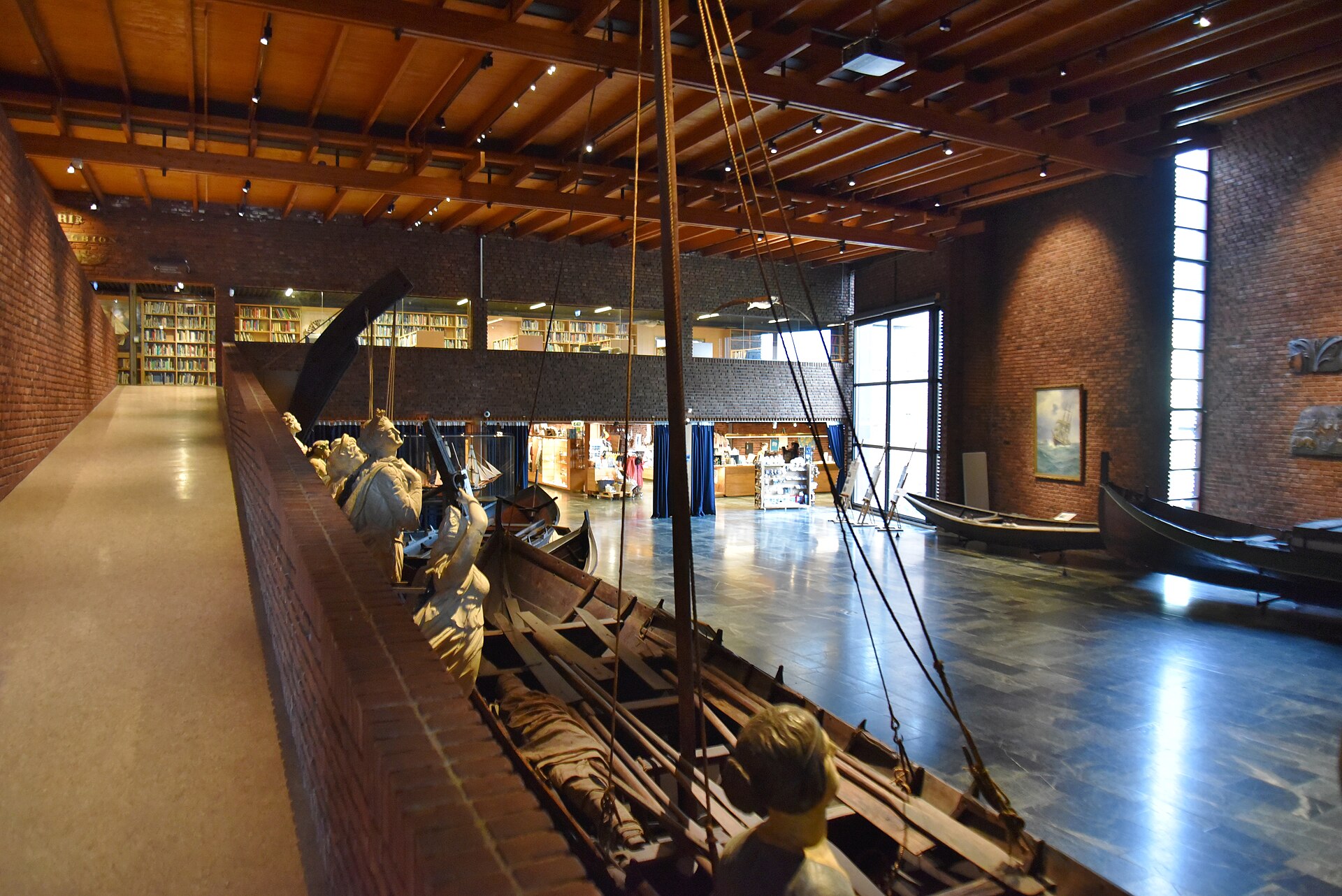
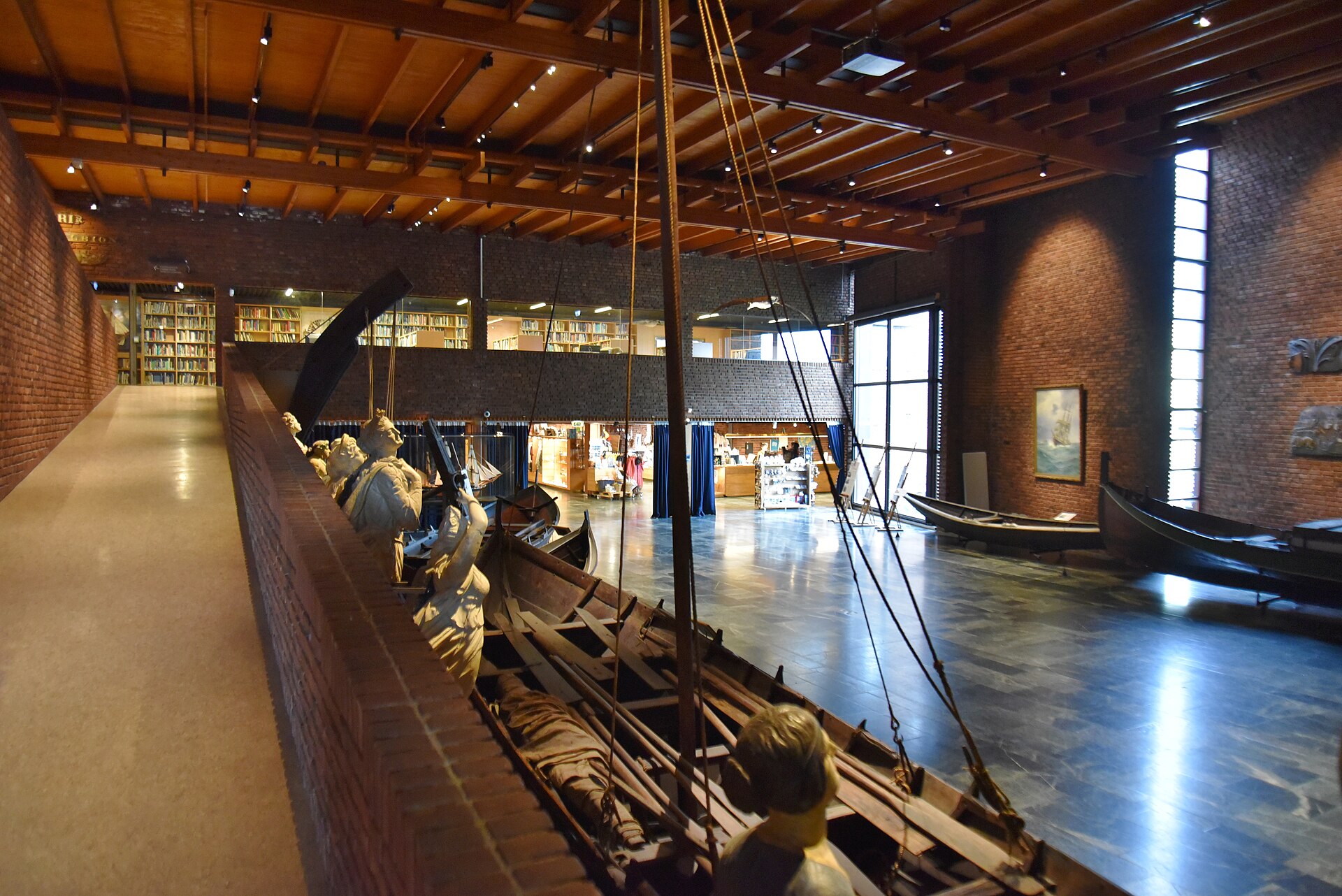
The Norwegian Maritime Museum sits on the Bygdøy peninsula in Oslo, surrounded by other polar and ship museums. It tells the story of a country shaped entirely by the sea: fishing, shipwrecks, polar voyages and the boats that made them possible.
Why GeisTrack picked it
GeisTrack includes this museum because it fills in the context that the famous Viking ship halls skip over. Seeing the Stokkebåt next to shipwreck cargo pulled from Oslo harbor gives a clearer sense of continuity — the same building methods used for a thousand years before and after the Viking Age — than the ship halls alone provide.
Why it's famous
The museum holds the oldest boat ever found in Norway, the Stokkebåt, a dugout log boat from around 170 BC discovered at Sørum, nearly a thousand years older than the Oseberg ship. More broadly, it's the only museum that covers the full span of Norwegian seafaring rather than a single period. While the nearby Viking ship halls draw the crowds, this museum traces where those ships came from and what followed them: an unbroken tradition of clinker-built boats, made with overlapping planks, that UNESCO added to its intangible cultural heritage list in 2021. Founded in 1914 during Norway's independence centenary, the museum moved to its purpose-built home at Bygdøynes in 1959–1960. It has been the official marine-archaeology authority for Norway's southern coast since 1963, and its collections range from Iron Age dugouts through the Norwegian-America Line to modern offshore shipping. In 2023 it joined the Norwegian Museum of Cultural History group.
History
The museum was founded in 1914 as part of Norway's celebration of its 100th anniversary of independence. At that time, the young nation really saw itself through its connection to the sea. Famous explorers like Nansen and Amundsen were national heroes, Norway's merchant shipping fleet was one of the biggest in the world, and boats were still the main way to connect communities along the coast. The museum moved to its specially built home at Bygdøynes in 1959–1960, on the same headland where the Kon-Tiki and Fram museums were already located. Its collections cover a huge span of history, from the Sørum dugout boat around 170 BC, through medieval trade, the era of sailing ships, the Norwegian-America Line (which carried many emigrants to the US), and up to modern shipping and offshore industries. Since 1963, the museum has also been officially responsible for marine archaeology along Norway's southern coast, digging up and preserving shipwrecks from the Oslofjord and beyond. In 2023, it became part of the Norwegian Museum of Cultural History group, joining its neighbors on Bygdøy.
The full story
Think of Bygdøy as Norway's national vault, especially for its deep connection to the sea. This peninsula sticks out into the Oslofjord, just a ten-minute trip from the city center. Right at its tip, Bygdøynes, you'll find the Norsk Maritimt Museum, or Norwegian Maritime Museum. It's often the quietest of the Bygdøy museums, but for anyone fascinated by the Viking story, it offers the most insight. While the famous longship halls show you three amazing royal burial ships, this museum reveals the other three thousand years of Norway's maritime history: the working boats, the ancient trade routes, shipwrecks pulled from harbor mud, and the unbroken tradition of clinker-built hulls. These are boats made with overlapping planks, a method used from the Iron Age all the way to the fishing boats of the 20th century. One exhibit truly captures people's attention: the Stokkebåt. This is a dugout log boat, carved from a single tree trunk, dating back to about 170 BC. It was found in Sørum and is the oldest boat ever discovered in Norwegian soil. Dark with age, it existed nearly a thousand years before the famous Oseberg ship. Standing before it, the Viking Age suddenly feels less like a beginning and more like a high point. It shows how an ancient boat-building culture eventually gained the iron tools, sails, and courage needed to cross vast oceans. Upstairs, the museum turns its focus to the sea itself. The Boat Hall displays coastal vessels with overlapping planks, a single steering oar, and a shallow bottom – the same basic design Norse builders used for ships like the Gokstad. That's because the fjords and the laws of physics haven't changed! Glass cases filled with marine archaeology reveal cargo from shipwrecks pulled from Oslo harbor during the Bjørvika excavations. You'll see barrel staves, leather shoes, ballast stones (heavy rocks used to stabilize a ship), and even a sailor's comb. The museum's underwater archaeologists are actually the official experts for shipwrecks along the entire southern coast, so these finds always come here first. The museum building itself is worth the visit. Its huge windows look directly down the Oslofjord toward the open sea. In the panorama hall, a film called "The Ocean — A Way of Life" plays on a curved screen, with the actual fjord visible right outside. On a grey Nordic afternoon, it's quite a special experience: the weather you see in the film is exactly the weather happening outside. Bygdøynes makes for an easy and fascinating afternoon. The Kon-Tiki Museum is just a few steps away, featuring Thor Heyerdahl's balsa raft and reed ship Ra II. It highlights Norway's long-standing fascination with crossing water in adventurous ways, even thousands of years later. The polar ship Fram is right next door. And at the other end of the peninsula, the incredible Viking Age ships from Oseberg and Gokstad await in their own hall, now part of the Museum of the Viking Age. If you can, take the ferry. Boat B9 leaves from Rådhusbrygge 3, located behind Oslo City Hall, between spring and autumn. It drops you off at Bygdøynes pier, just a two-minute walk from the museum's entrance. Arriving by water isn't just a fun ride here – it's truly the most fitting way to reach a museum about how Norwegians have always traveled the seas. The museum was founded in 1914 as part of Norway's centenary celebrations, at a moment when the young nation was defining itself through the sea: Nansen and Amundsen were living heroes, the merchant fleet was among the world's largest, and coastal shipping still bound the country together. It moved to purpose-built premises at Bygdøynes in 1959–1960, on the headland already occupied by the Kon-Tiki and Fram museums.
Legends & sightings
Sailors along this coast have long believed that a boat took on the spirit of the tree it was made from. They even thought that a hull built from timber cut during the wrong moon phase would never float quite right. Local stories from the Oslofjord also mention the Draugr – a drowned sailor who sails half a boat, and whose appearance means someone else will die at sea. The museum staff, however, will tell you plainly that the wrecks in their care were lost due to ice, wood rot, and bad decisions, rather than anything supernatural. Still, the comb in the display case did once belong to a real person.
Fact or legend?
Everything here is documented maritime history. The collections cover coastal life, shipping and the harsh voyages of Norwegian sailors and explorers. The mystery in this story is not supernatural. It is the long list of ships and crews that went out and never came back, and the objects recovered from wrecks that are all that is left of them.
Field notes
- The Sørum dugout, around 170 BC, is the oldest boat found in Norway and predates the Oseberg ship by roughly a thousand years.
- The museum is the official marine-archaeology authority for shipwrecks along Norway's southern coast.
- Nordic clinker boatbuilding — the overlapping-plank technique of the Viking longship — was inscribed on UNESCO's intangible cultural heritage list in 2021.
- Bygdøynes holds three seafaring museums within a two-minute walk of each other.
- The seasonal ferry from Oslo City Hall docks at the museum's own pier.
Our verdict
GeisTrack Verdict
This is a quieter, more scholarly stop than its famous neighbors, and that's exactly its appeal. There's no dramatic legend here beyond old sailors' superstitions about the Draugr, a drowned sailor said to sail half a boat — and museum staff are candid that shipwrecks in their care were lost to ice, rot and bad decisions, not curses. Anyone genuinely interested in how Viking shipbuilding fits into a longer maritime tradition should make time for it; casual visitors chasing spectacle should prioritize the Viking Age ship hall instead. Take the seasonal ferry from City Hall rather than the bus — arriving by water suits the subject.
Editorial assessment based on research, not a sponsored review. See our editorial policy.
Can you visit?
Yes. It is a normal public museum with opening hours and an entry ticket, and closed days vary by season, so check before going. Bygdøy has several museums close together, so many visitors do two or three in a day.
How to get there
1. Fly into Oslo Gardermoen (OSL) and take the airport train into Oslo Central. 2. From the city centre, take the ferry to Bygdøy in the warmer months, or bus 30 all year. 3. The museum is a short walk from the Bygdøynes stop, next to the other museums. Oslo public transport is simple and a car is unnecessary.
Before you go
Check seasonal opening hours before you go. The Oslo Pass includes entry to many museums and public transport, which usually saves money. The summer ferry is a nice way to arrive and gives you views of the fjord. Allow one to two hours here, or a full day for the Bygdøy museums together. Everything is indoors, so it works well on a wet day.
Travel tips
Take ferry B9 from Rådhusbrygge 3 (behind City Hall) instead of the bus. It drops you off at Bygdøynes pier, and the ferry ride itself is a great part of the experience. If you plan to visit Kon-Tiki and Fram too, consider buying a combined Bygdøynes ticket. Allow about ninety minutes for this museum, or a full afternoon if you want to explore the entire headland. The café windows look right down the fjord, offering one of the best affordable views in Oslo.
Safety
This is a very safe city museum environment. The pier and quayside can be quite exposed and windy during winter.
What to expect
Boats, models, salvaged wreck material and displays about life at sea, with English labels alongside Norwegian. It is calm and rarely crowded. The view over the fjord from outside is worth a few minutes on its own.
Frequently asked
Plan your trip
Book the practical parts of the journey. We may earn a commission from these partner links, at no extra cost to you.
Plan your visit
Getting to Norwegian Maritime Museum
Everything you need to turn this mystery into a trip. We may earn a commission from these partner links, at no extra cost to you.
- Best time to visit
- May to September is ideal, as the Bygdøy ferry is running and the fjord views are at their best. Winter is quieter and excellent if you particularly want to focus on the archaeology halls without the crowds.
- Opening hours
- Typically daily in summer, with reduced winter days — check the official site before travelling.
- Entrance fee
- Standard adult ticket; children and Oslo Pass holders discounted or free.
Continue your GeisTrack
Other places on GeisTrack that pair well with Norwegian Maritime Museum — same kind of story, or the same corner of the map.
Make it a route
Bygdøy in one day: the Maritime Museum, the Fram Museum and the Kon-Tiki Museum, all within walking distance.
United Kingdom
Lindisfarne
Lindisfarne, or Holy Island, lies off the coast of Northumberland in England. A road across the sand connects it to the mainland, but the sea covers that road twice a day. In 793 AD Viking raiders attacked the monastery here, an event that shocked Christian Europe and is often used to mark the start of the Viking Age.
Sweden
Birka
Birka sits on the island of Björkö in Lake Mälaren, west of Stockholm. Over a thousand years ago it was one of the biggest trading towns in the Viking world. Today it is grass, low mounds and a museum, with more than 3,000 graves under your feet. It is on the UNESCO World Heritage list.
Norway
The Hessdalen Lights
In the Hessdalen valley in central Norway, strange lights appear in the sky. They can be white, yellow or red, and they sometimes hover for over an hour. Scientists have been measuring them since 1983 with an automatic station. Nobody has fully explained them.
Or browse every viking heritage entry, or open the interactive atlas.
Read the story
Long-form journal writing about Norwegian Maritime Museum.
Rate This Destination
What do you think of this destination? Share your rating with the GeisTrack community.
Community Rating
No ratings yet. Be the first to rate this destination.
Visitor opinion only — separate from the GeisTrack editorial mystery ratings above.
Been here? Share your experience
Have you visited this place? Tell other GeisTrack travelers what it was really like. Your experience may help someone plan their own visit.
No comments yet
No traveler comments yet. Be the first to share your thoughts.