Before the Longships: Norway's Oldest Boat, and the Museum That Keeps It
GeisTrack Editorial · 1 August 2026 · 6 min read
A hollowed-out log from 170 BC sits quietly at the Norwegian Maritime Museum in Oslo. It's the oldest boat ever found in the country, and it quietly rewrites when the Viking Age actually began.
Most stories about the Viking Age describe it bursting onto the scene in 793 AD with the attack on Lindisfarne. They paint a picture of Viking sails suddenly appearing on the horizon, seemingly out of nowhere.
But when you stand in front of the Sørum dugout boat at the Norwegian Maritime Museum in Oslo, that familiar story starts to unravel in the most fascinating way. This ancient boat is simply a single tree trunk, hollowed out, dark, and showing its age with cracks. Scientists have used carbon dating to figure out it's from about 170 BC. That's nearly a thousand years before the famous Oseberg Viking ship! It shows that people in Norway were already expert sailors, already understanding the fjords, and already building boats that suited their coastline. The iconic longship wasn't a sudden invention; it was the moment an ancient tradition of boat building finally met new technology like iron rivets and sails.
Understanding this amazing argument is a great reason to spend an afternoon exploring Bygdøynes.
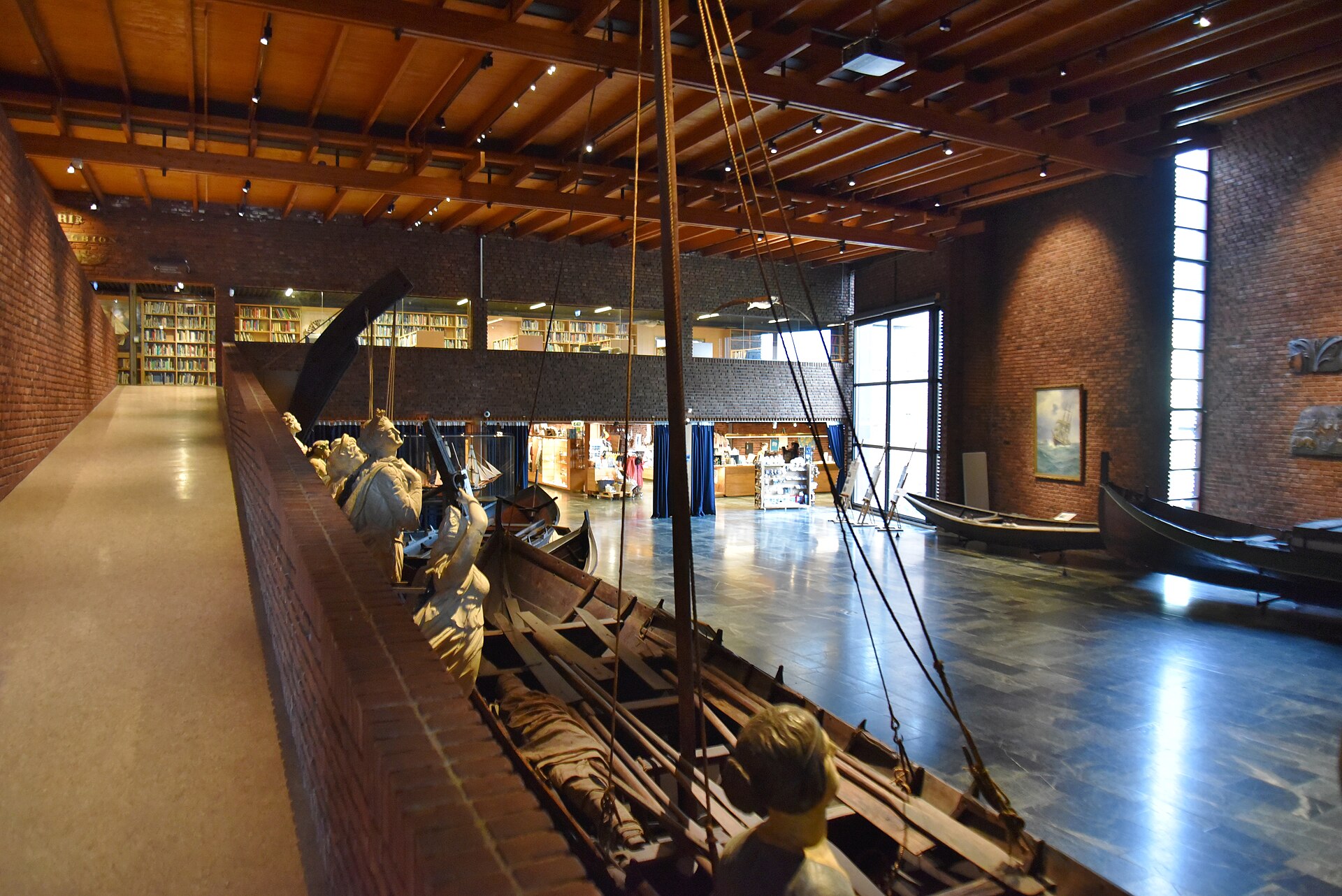
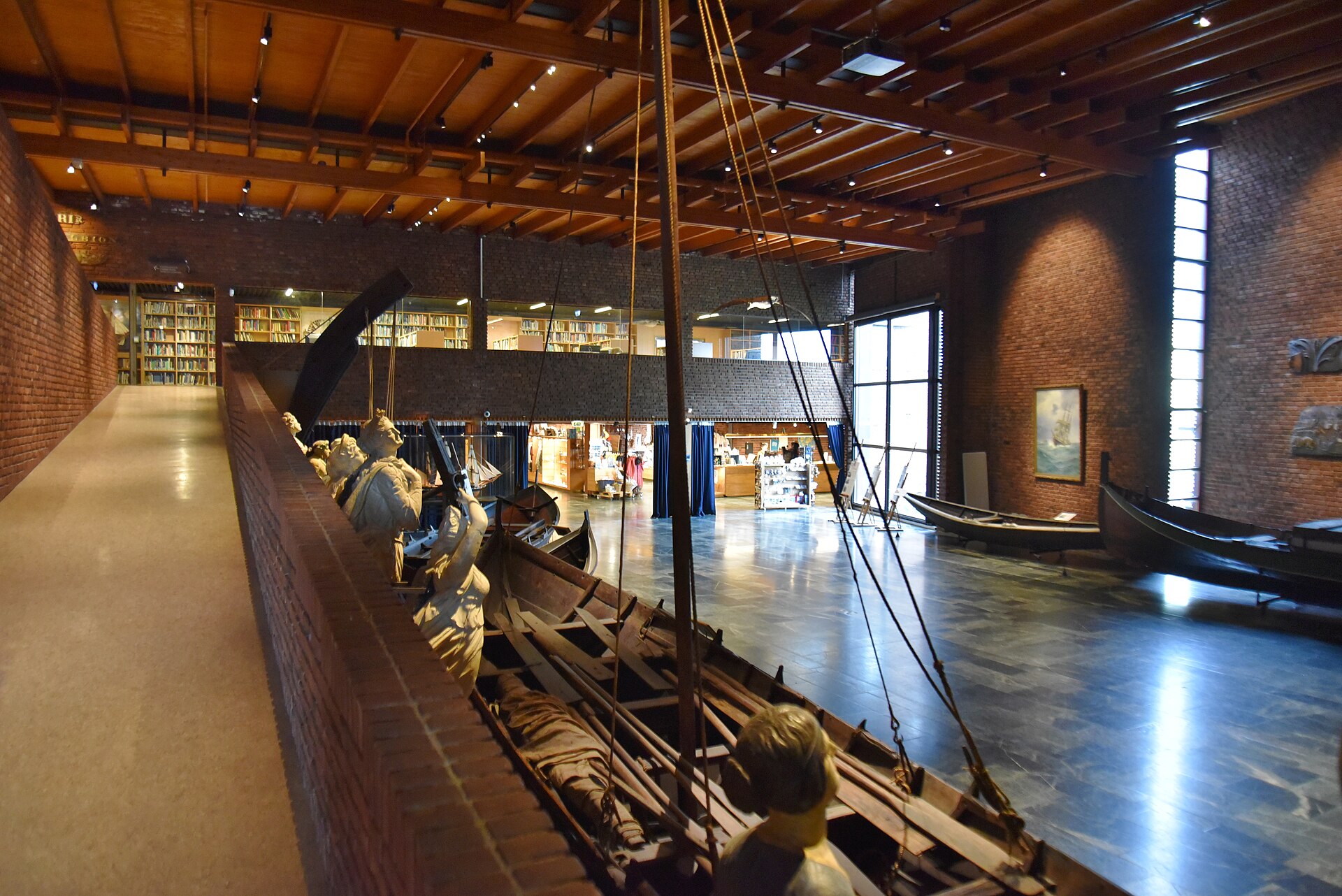
The Norsk Maritimt Museum is located right on the tip of the Bygdøy peninsula, just ten minutes from central Oslo. Its windows offer stunning views straight down the Oslofjord. The museum, founded in 1914 and moved to this spot in the late 1950s, tells the complete story of Norwegian seafaring. It doesn't just focus on one exciting period but covers everything: from Iron Age dugouts like the Sørum boat, to medieval trading ships, the distinctive clinker-built coastal boats used by fishing communities, vessels that carried emigrants to America, and even modern merchant and offshore fleets.
In the Boat Hall, you can really see how these traditions carried on through history. The way planks overlap, the shallow shape of the boat's bottom, a hull that bends with the waves instead of fighting them – these are the same clever design ideas used by the builders of the famous Gokstad ship, and they were still in use in the 1900s. In 2021, UNESCO recognized Nordic clinker boatbuilding as an important part of our shared cultural heritage. This room is where you'll truly grasp why.
Since 1963, the museum has been in charge of marine archaeology for southern Norway. So, when Oslo dug out the Bjørvika area to create its new waterfront, old ships from the medieval and early-modern periods were found in the mud. All these discoveries ended up here: wooden barrel staves, ballast stones, worn-out leather shoes, and even a sailor's comb. They might not sound spectacular, but these everyday items tell such personal stories that it's hard to walk past them.
To make the most of your visit to Bygdøynes, take ferry B9 from Rådhusbrygge 3, which is right behind Oslo City Hall. This ferry runs from spring to autumn, takes about fifteen minutes, and drops you off right at the museum's own pier. Arriving by water isn't just a fun experience here; it's really the best way to understand the area.
Spend about ninety minutes exploring the Maritime Museum. Then, it's just a two-minute walk to the Kon-Tiki Museum, where you can see Thor Heyerdahl's famous balsa raft and his boat Ra II. Another minute's walk will take you to the Fram, a powerful polar ship designed to withstand the crushing ice of the Arctic. At the far end of the peninsula, the Oseberg and Gokstad burial ships await you in the Museum of the Viking Age.
Four amazing museums, all on one headland, all telling one continuous story: this is a country that has always had a deep connection to the sea.
Before your visit, be sure to check the opening hours on marmuseum.no, especially since winter days are shorter. Combined tickets for Bygdøynes often cover the Kon-Tiki and Fram museums as well. The café's windows overlook the open fjord, offering one of the best inexpensive views in Oslo.
Plan the trip
Book this journey
We may earn a commission from these partner links, at no extra cost to you.
Visit the place
Practical details, mystery rating and how to plan the trip.