Where the Viking Age Began: A Tide Table and a Holy Island
GeisTrack Editorial · 31 July 2026 · 6 min read
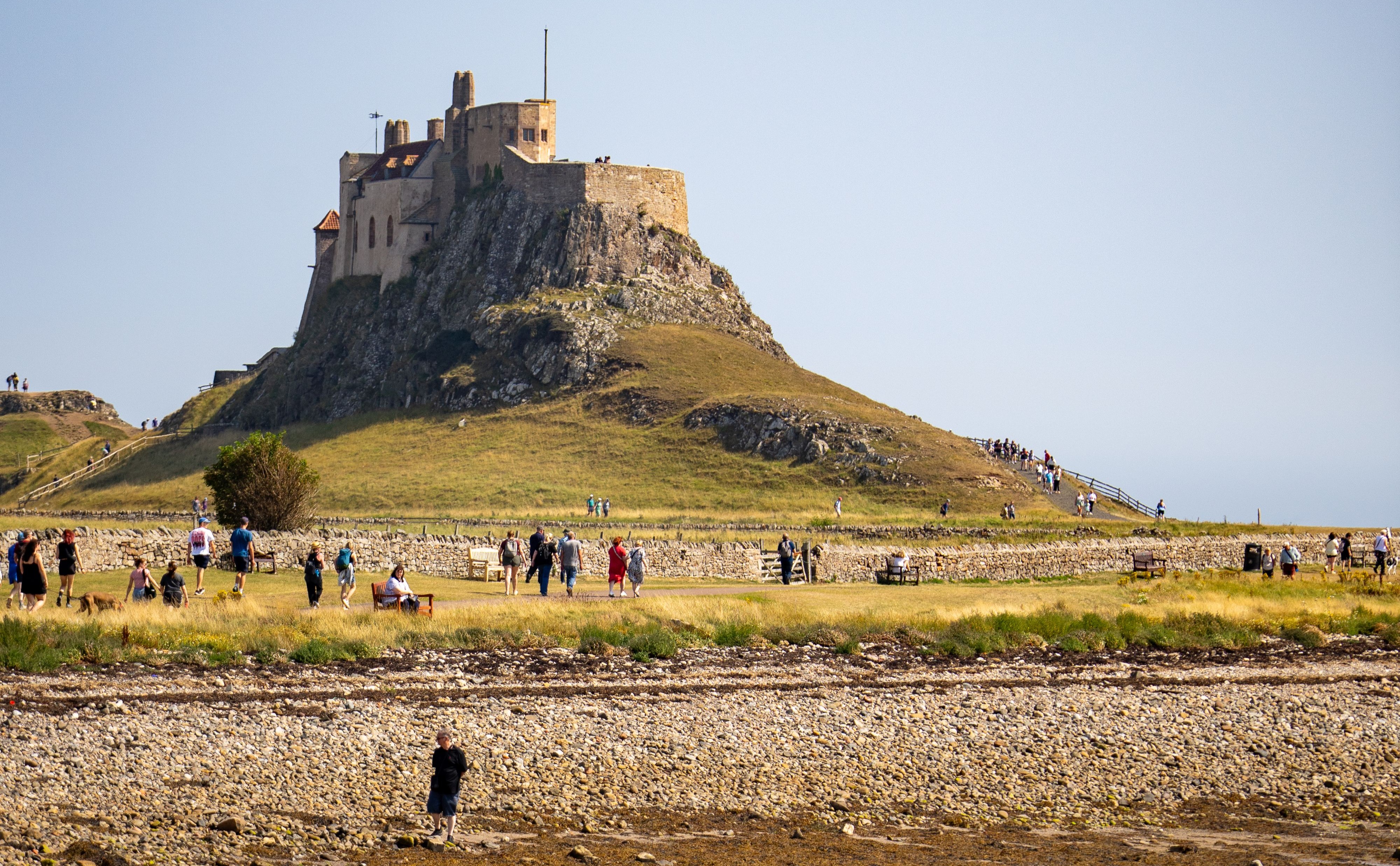
When raiders landed on Lindisfarne on June 8, 793, Europe changed forever. Even today, the sea still covers the road to the island twice a day.
The Anglo-Saxon Chronicle, usually quite straightforward, completely loses its calm when describing the year 793. It tells of terrible signs over Northumbria: whirlwinds, lightning, and fiery dragons in the sky, followed by a great famine. Then, it says, "heathen men" brutally destroyed God's church on Lindisfarne, looting and killing.
Many historians mark this raid as the beginning of the Viking Age. It wasn't the first time a Scandinavian ship had reached Britain, but it was *what* they attacked that made it so significant. Lindisfarne was the spiritual heart of northern England. It was founded in 635 by the Irish monk Aidan, was home to Saint Cuthbert, and is where the incredible Lindisfarne Gospels were created around the year 700. These Gospels are so extraordinary that they are now kept in the British Library and still make people stop and stare. For people at the time, attacking Lindisfarne was like attacking heaven's own treasury. Alcuin, a scholar working for Charlemagne, even wondered what could have possibly angered God enough to allow such a thing.
The monks stayed on Lindisfarne for another 80 years. In 875, they finally left, carrying Cuthbert's coffin with them. They wandered around northern England for over a century before eventually settling in Durham. The beautiful priory ruins you see today were actually built much later by the Normans. They used the same red sandstone found in Durham Cathedral. One of the most famous parts of the ruins is the remaining "rainbow arch" over the crossing, which is one of the most photographed medieval sights in England.
What truly makes a visit to Holy Island unique in Britain is the tide. A causeway connects the island to the Northumberland coast, but it floods twice every day. You absolutely must check the published tide tables for safe crossing times. Each year, several drivers ignore these warnings and end up needing to be rescued by the RNLI, which often entertains the rest of the country. The amazing upside is that for a few hours each day, after the tour buses have left, the island returns to its quiet self, shared only by its 160 residents and those clever enough to have booked a place to stay overnight.
So, here's the best tip: stay overnight. That's the secret to experiencing the island. When the tide is low, walk out to St. Cuthbert's Isle, where the saint once lived as a hermit. Climb up to Lindisfarne Castle, which started as a Tudor fort but was transformed into a holiday home by architect Edwin Lutyens, with a beautiful walled garden designed by Gertrude Jekyll. Then, as evening falls, follow the harbor path past the old fishing boats, many of which are now used as sheds. You'll likely be completely alone. You might even hear seals calling out from the sandbanks.
Bamburgh Castle is just fifteen minutes down the coast. If you visit between April and July, you can also take a boat trip from Seahouses to the Farne Islands to see the puffin colonies. Just remember to check the tide table. Then, check it again!
Plan the trip
Book this journey
We may earn a commission from these partner links, at no extra cost to you.
Tiqets — Tickets & ToursTickets and guided tours for LindisfarneBooking.com — HotelsNearest accommodation: Berwick-upon-Tweed (20 km away)Hotels.com — HotelsNearest accommodation: Berwick-upon-Tweed (20 km away)Aviasales — FlightsFlights to Holy Island, United Kingdom (NCL)Hertz — Car RentalCar hire near Berwick-upon-Tweed, United Kingdom
Visit the place
Practical details, mystery rating and how to plan the trip.