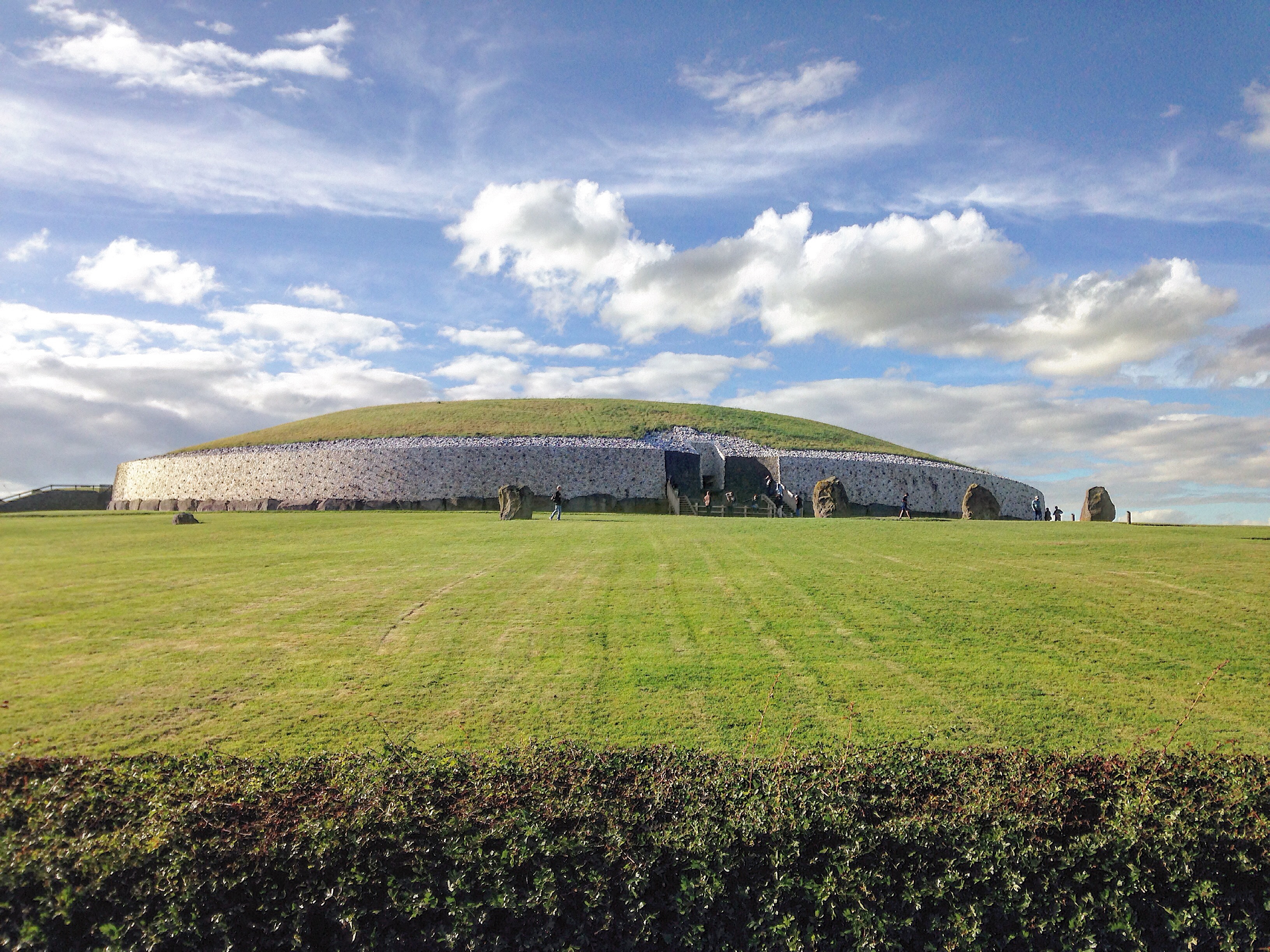
Five Thousand Years and Seventeen Minutes of Sun: Newgrange
GeisTrack Editorial · 31 July 2026 · 6 min read
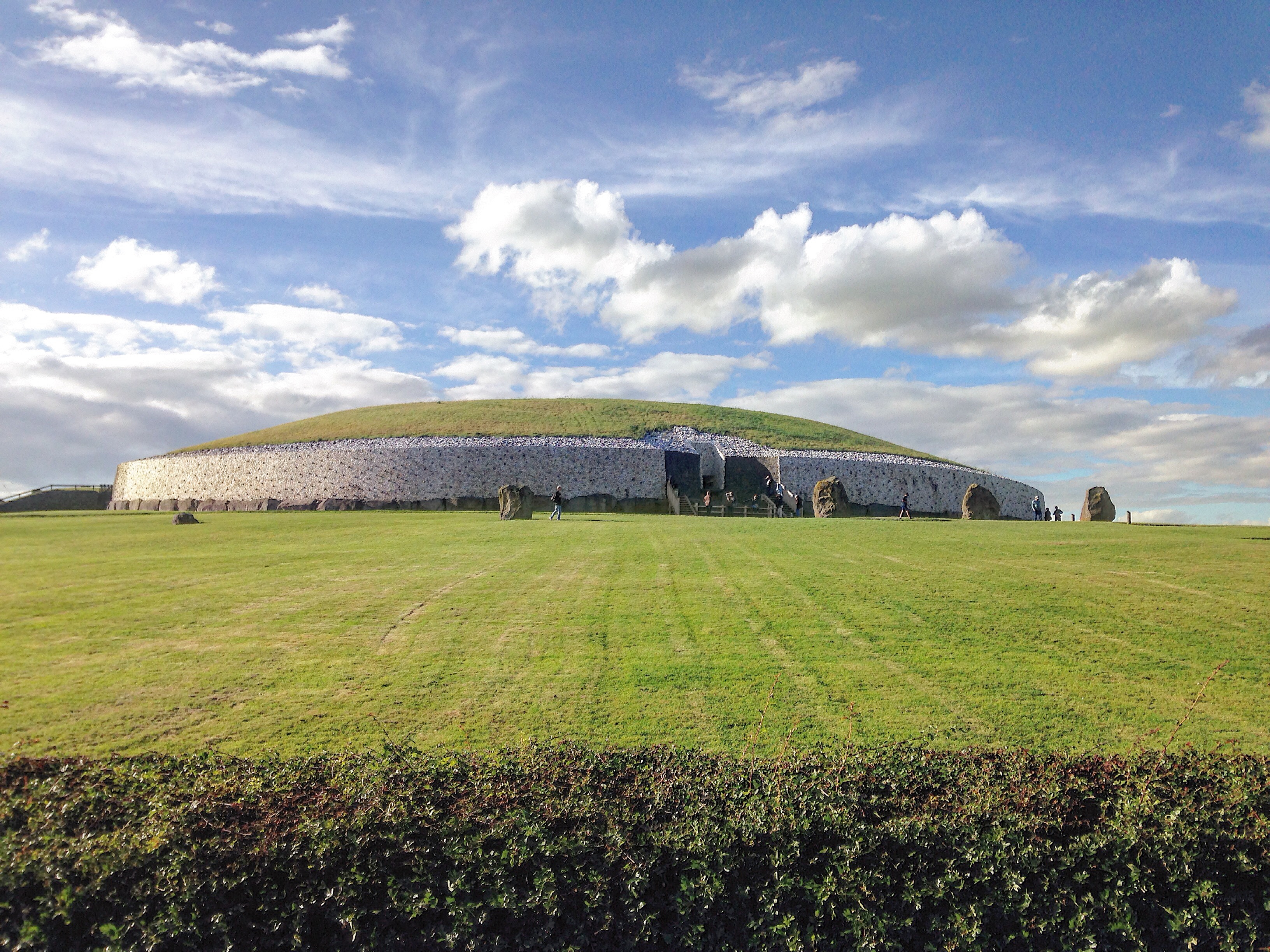
It's even older than the pyramids, and its brilliant design means that on cold midwinter mornings, a beam of sunlight still travels right through its long passage.
Newgrange was built around 3200 BC. That number sounds simple, but it's hard to really grasp how long ago that was. To put it into perspective, Newgrange is older than Stonehenge, older than the Great Pyramid of Giza, and even older than when the wheel was invented in Ireland. The people who built it used only stone tools, had no metal, and didn't have writing. Yet, they managed to move about 200,000 tonnes of earth and stone to a low ridge near the River Boyne, creating a massive mound 85 meters wide.
Then, they did something truly amazing. Above the entrance, they left a rectangular opening, which is often called a 'roof-box.' This opening was aligned so perfectly that, for a few mornings around the winter solstice (the shortest day of the year), the rising sun sends a narrow beam of light straight through it. This light travels down a 19-meter passage, finally reaching the cross-shaped chamber at the heart of the mound. The chamber's unique, stacked-stone roof has kept out the Irish rain for five thousand years without needing any mortar! This sunbeam lasts for about seventeen minutes, an appointment it has kept faithfully since before written history began.
The chamber isn't just an empty space; it holds deep meaning. While cremated remains of a small number of people were found in stone basins there, this place was never just a burial site. The large stones around the outside, called kerbstones, are carved with spirals, diamond shapes, and zigzags. The entrance stone at Newgrange is actually one of the most famous examples of prehistoric art in all of Europe. Recent studies of ancient DNA from the site suggest that the people buried there belonged to a very powerful and separate elite, hinting at a much more complex society than anyone had previously imagined.
Visiting Newgrange is a well-organized and truly special experience. All visits start at the Brú na Bóinne Visitor Centre near Donore; you can't drive directly to the monument or just show up at the mound. It's a good idea to buy your tickets online well in advance, especially if you're going in the summer. Consider taking the combined tour that also includes Knowth, another ancient site nearby, which has the most megalithic (large stone) art in all of western Europe carved into its kerbstones.
Inside the main chamber, the guide will turn off the lights and then recreate the solstice beam for everyone. Even though it's a simulation, it's still powerful enough to make a whole room full of adults fall silent in awe. If you dream of seeing the actual sunrise beam, there's an annual public lottery. Thousands of people apply for just a few dozen spots in the chamber on those special solstice mornings.
The Boyne Valley is only about forty-five minutes from Dublin and definitely worth a full day's visit. You could also add the Hill of Tara, which was once home to Ireland's high kings, and the ancient monastic round tower at Monasterboice. If you don't mind the weather, try to go in winter. There are fewer people, the light is beautiful on Newgrange's gleaming quartz façade, and it's the perfect season to appreciate what this incredible place was originally built to do.
Plan the trip
Book this journey
We may earn a commission from these partner links, at no extra cost to you.
Visit the place
Practical details, mystery rating and how to plan the trip.