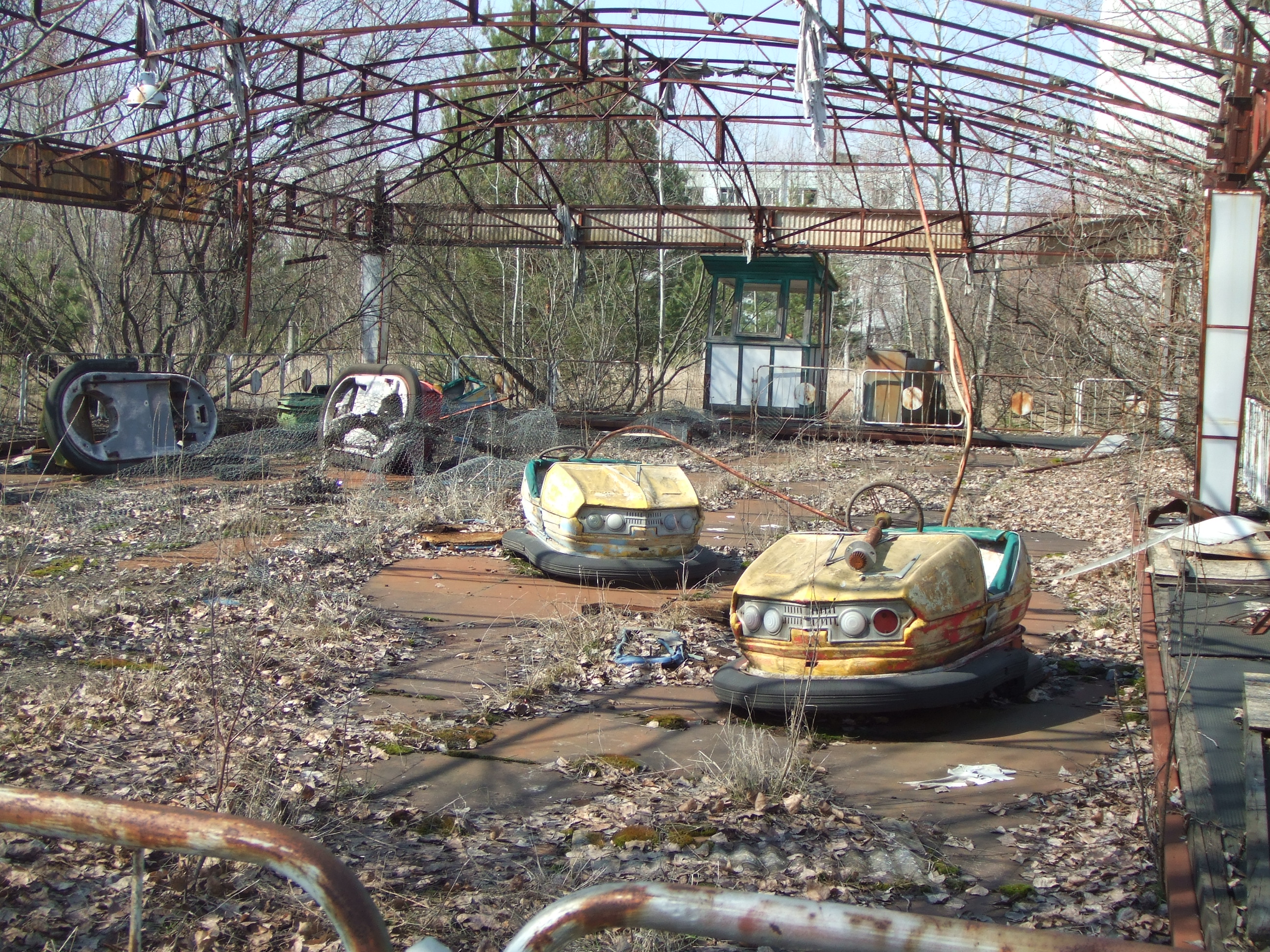
Thirty-Six Hours to Leave Everything: Pripyat
GeisTrack Editorial · 31 July 2026 · 6 min read
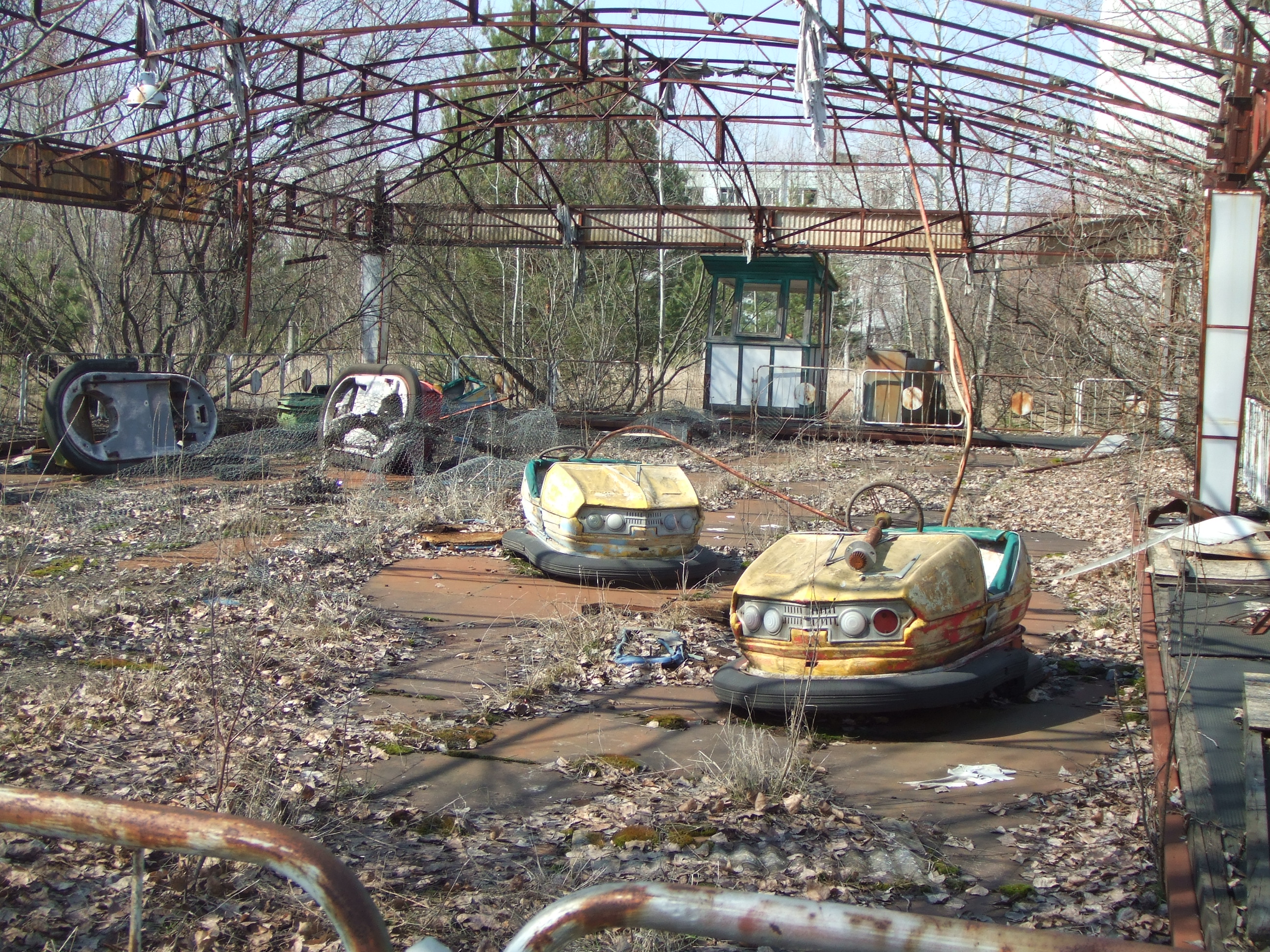
Pripyat's residents woke to a normal Saturday morning after the reactor exploded overnight, unaware anything was wrong, until an evacuation order emptied all 49,000 people from the city in about three and a half hours.
Pripyat was founded in 1970, specifically built for the workers of the V. I. Lenin Nuclear Power Plant. It wasn't just any town; it was meant to be a showcase, a gleaming example of Soviet progress. Think wide, open avenues, a modern cultural center called Energetik, an Olympic-sized swimming pool, fifteen primary schools, a movie theater, and cafes with beautiful stained glass windows. The average age of its residents was a vibrant twenty-six. Nuclear engineering was considered the future in the Soviet Union, and Pripyat was the town where that future lived.
But then, disaster struck. Reactor 4 exploded at 1:23 AM on April 26, 1986. The city's residents weren't told what had happened. Life continued as normal that morning: people went to work, hung laundry, and some even gathered on a railway bridge to watch the strange, glowing colors over the power plant, unaware of the danger. The evacuation order finally came the following afternoon, about thirty-six hours later. It was announced as only temporary, instructing everyone to bring just their documents, essentials, and enough food for three days. More than a thousand buses arrived, clearing out all 49,000 people in roughly three and a half hours. No one ever returned home.
Remarkably, the city's new fairground was scheduled to open just five days later for the May Day holiday. The iconic Ferris wheel still stands there today, a haunting symbol. It's now the most photographed object within the Exclusion Zone. According to former residents, it was never properly used at all. Some stories say it was briefly opened on the day of the evacuation, perhaps to help distract people, before being abandoned, its bright yellow contrasting eerily with the surrounding trees.
What truly captivates visitors isn't just the famous Ferris wheel, but the smaller, more personal details: gas masks scattered across a school floor, a piano with its lid still open, or the hospital basement where the first responders' uniforms remain, still so radioactive that a dosimeter (a device that measures radiation) will loudly alarm. And then there's the forest. Pripyat is slowly being reclaimed by nature. What were once streets are now woodlands, with building facades peeking through. Wild boar, elk, wolves, and even rare Przewalski's horses have made the Zone their home, turning it into one of Europe's most unusual wildlife refuges. It seems nature didn't need us to be gone for very long at all.
Before you get too excited about visiting, it's important to know a serious update: access to the Chornobyl Exclusion Zone has been closed since Russia's full-scale invasion of Ukraine in February 2022. During this time, Russian forces occupied the site and even dug into contaminated ground. Because of this, tours are not currently running for regular visitors, and you should be very cautious if anyone claims otherwise. Always check the official Ukrainian government's position before making any travel plans.
When the Zone eventually reopens, the rules are straightforward and essential to follow: you must go with a licensed guide, wear long sleeves and closed shoes, avoid sitting on the ground, never take anything out of the Zone, and expect a dosimeter check when you leave. A day trip from Kyiv is possible, but spending two days allows you to truly explore Pripyat. You can also visit the abandoned Duga radar array, a massive over-the-horizon antenna, 150 meters high, hidden in the forest. Many find it even more unsettling than the city itself.
Until then, the safest way to experience Pripyat's story is through the accounts of those who lived it. A great place to start is with the testimonies collected by Svetlana Alexievich.
Plan the trip
Book this journey
We may earn a commission from these partner links, at no extra cost to you.
Visit the place
Practical details, mystery rating and how to plan the trip.