The Town That Stopped in 1631
GeisTrack Editorial · 31 July 2026 · 6 min read
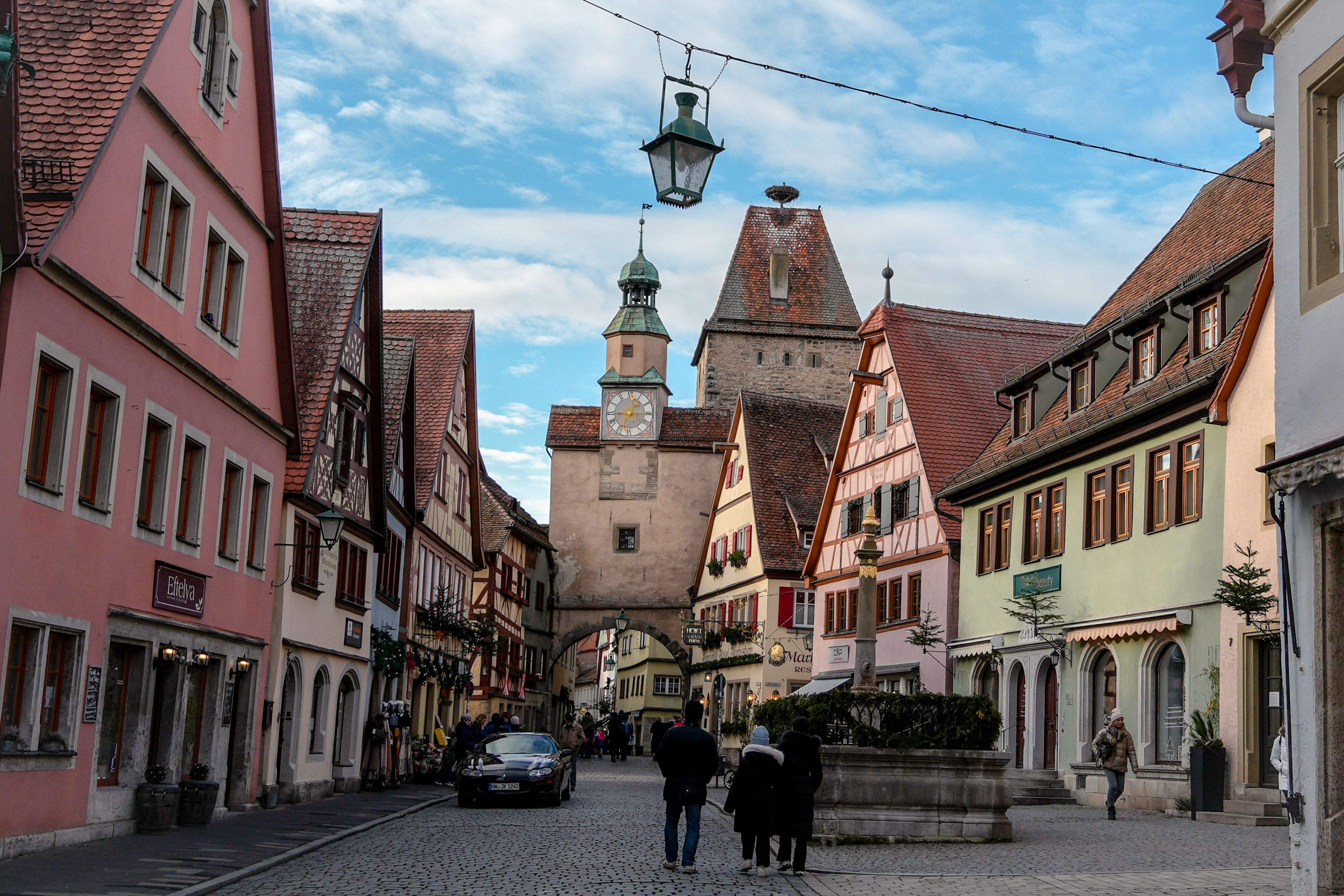
Rothenburg survived because it went broke. Then it survived again, in 1945, because one American general had read a book about it.
Rothenburg ob der Tauber is Germany's most perfectly preserved medieval town. But the reason it survived so completely isn't very romantic: it simply became too poor to tear anything down and build new things.
Let's go back to 1631, during the Thirty Years' War. The Catholic League army, led by General Tilly, took over the Protestant town. They made 40,000 soldiers stay there and demanded a huge payment that nearly ruined Rothenburg. Soon after, the plague arrived. Trade routes changed, bypassing the town. Rothenburg, which had once been an important independent imperial city, slowly faded into obscurity for three centuries. And that obscurity, it turns out, was the best way to preserve it. No one built factories or widened streets. So, when Romantic painters in the 1800s went looking for an authentic German medieval town, they found Rothenburg just as it had been: with 42 towers, a full circuit of city walls, and the famous crooked half-timbered intersection called the Plönlein. Today, you'll see the Plönlein on more jigsaw puzzles than almost any other spot in Europe.
The town's second survival story isn't as well-known. In March 1945, American artillery was ordered to shell Rothenburg. About 40% of the town, including a long section of its wall, was damaged. But Assistant Secretary of War John J. McCloy knew Rothenburg from his mother's paintings and stepped in. The local German commander, Major Thömmes, decided to surrender against Hitler's orders rather than see the rest of the town destroyed. Later, money for repairs came from donations all over the world. If you walk the covered wall path today, you can still see the names of donor cities and countries carved into the stone above you.
You absolutely must walk the walls. It's a free, hour-long trip around the whole town, mostly covered, and truly the best way to experience Rothenburg. After that, climb the Town Hall tower for incredible views of the rooftops. Don't miss the Medieval Crime Museum; it's much more historically interesting than its collection of strange shame masks might suggest. And inside St. James's Church, you'll find Tilman Riemenschneider's Holy Blood Altarpiece – a wooden carving so lifelike, it's worth the journey just to see it.
Yes, the Christmas shop is open year-round, and yes, it's a bit over-the-top. But go anyway!
Here’s a tip to truly enjoy Rothenburg: stay the night within the walls. Day-trippers from Munich and Nuremberg usually arrive late morning and leave by 6 PM. After they're gone, the town changes. You can join the Night Watchman's tour – it's genuinely funny, in English, and you don't need to book ahead. He'll lead you through the empty, lantern-lit streets. Afterward, it feels like the town belongs to just a handful of people.
If you love snow and mulled wine, plan your visit for December to experience the Reiterlesmarkt Christmas market. Or come in May for the Meistertrunk festival. Either way, set aside a morning to wander down into the Tauber valley below the city walls. You'll find a small stone bridge there, and often, absolutely no one else.
Plan the trip
Book this journey
We may earn a commission from these partner links, at no extra cost to you.
Visit the place
Practical details, mystery rating and how to plan the trip.