Thirty Tonnes, 250 Kilometres, and an Appointment with the Sun
GeisTrack Editorial · 31 July 2026 · 7 min read
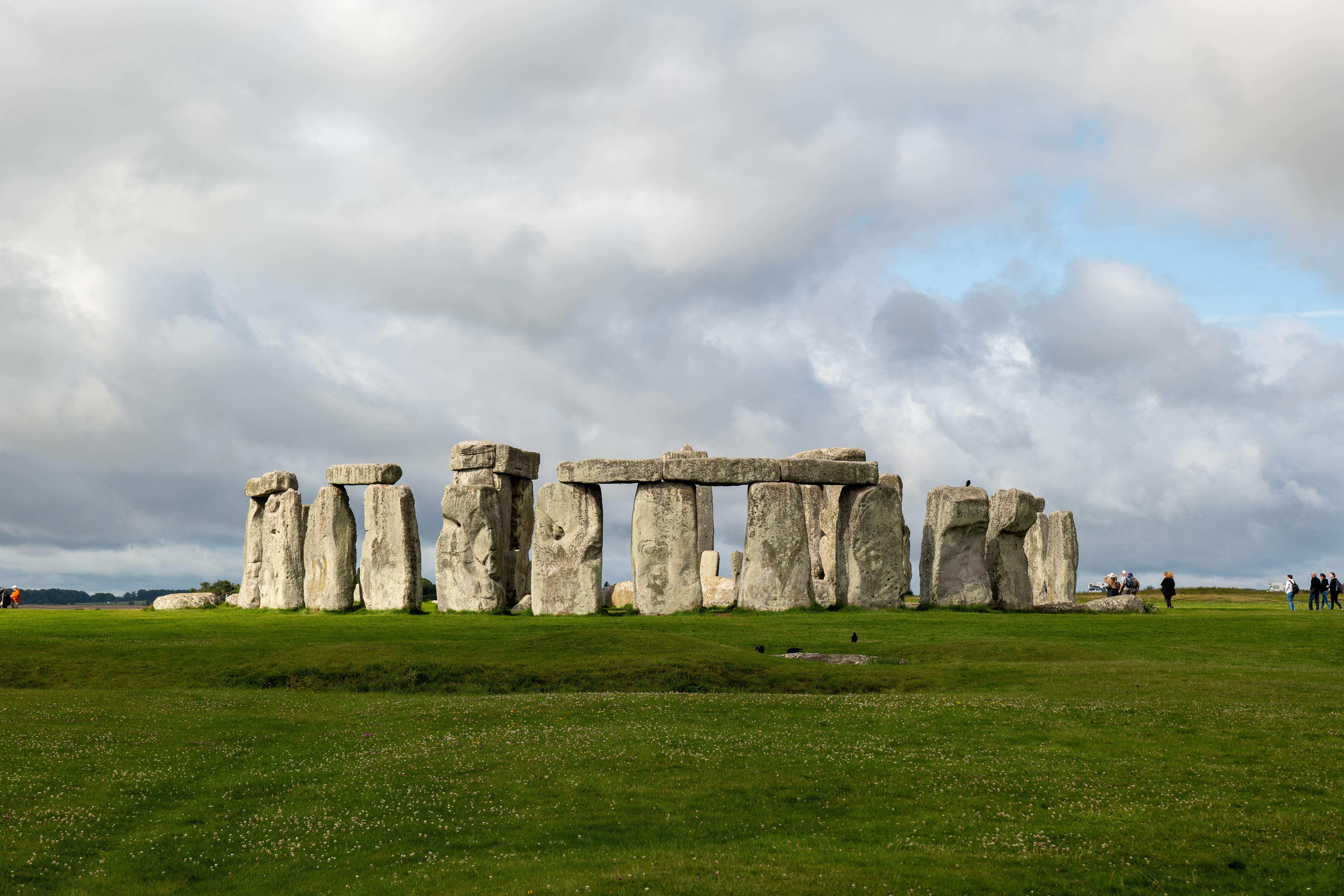
When you think of Stonehenge, the giant stones themselves might seem like the biggest mystery. But once you start looking into how they got there, that's what will truly amaze you.
Many people visit Stonehenge and ask, "Who built it?" The answer isn't that mysterious: it was built by farming communities in Britain during the Stone Age and early Bronze Age, over about 1,500 years, starting around 3000 BC. The truly fascinating question is "how" they did it, and the answer is still incredibly impressive.
Let's start with the bluestones. There are about 43 of these, and each one weighs between two and four tons. Scientists have traced them to specific quarries in the Preseli Hills of west Wales—places like Carn Goedog and Craig Rhos-y-felin—which are roughly 250 kilometers (about 155 miles) away. When archaeologists dug there, they found old quarry faces, tools used for splitting stones (like wedges), and even the remains of an earlier stone circle at a place called Waun Mawn. It seems this first circle might have been taken apart and carried all the way east to Stonehenge. Imagine that: people moved an entire monument on purpose, either overland or by sea and river, without the help of wheels or strong animals.
Then there are the sarsens, the enormous standing stones. Some of these weigh up to thirty tons each! They were dragged about 25 kilometers (around 15 miles) from the West Woods near Marlborough. Once at the site, people shaped them using stone hammers, stood them upright into specially dug holes, and then placed horizontal stones (called lintels) across the top. These lintels were curved to fit the circle and locked into place using joints called mortice-and-tenon and tongue-and-groove. These are woodworking techniques, but here they were done in stone, about 500 years before the Iron Age, when metal tools became common.
And the way Stonehenge lines up with the sun is still perfect. If you stand in the center on the first day of summer, you'll see the sun rise directly over a stone called the Heel Stone. In contrast, on the first day of winter, the sun sets through the largest archway of stones, known as the great trilithon. Most experts now believe that the winter alignment was the most important. Recent discoveries support this idea: thousands of pig bones found at a nearby site called Durrington Walls, killed in midwinter, came from animals raised as far away as Scotland. This suggests huge winter feasts that brought people from all over Britain. So, Stonehenge might have been less of a religious temple and more the reason for the biggest get-together in ancient European history.
To truly experience Stonehenge, you'll need a bit of planning. A regular ticket usually keeps you on a path some distance from the stone circle, which can be a little disappointing if you dreamed of getting up close. Instead, try to book English Heritage's "Stone Circle Access" tour. These are limited spots available early in the morning or late in the evening, released months ahead, that allow small groups to walk right inside the stones. It costs a bit more, but it's absolutely worth every penny.
And don't just see the stones! The wider World Heritage landscape around Stonehenge is full of other amazing sites. There's the Cursus (a long, ancient enclosure), hundreds of burial mounds, Woodhenge (another timber circle), and Durrington Walls (an ancient settlement). About 25 minutes north, you'll find Avebury, an even larger stone circle that's so big, an entire village sits inside it! Plus, you can touch all the stones there for free.
For the best visit, come outside of the busiest season, either right when it opens or during the last hour before closing. That's when the light is beautiful across the Salisbury Plain, and the big tour buses have left. Then, as you stand there, just try to imagine moving a thirty-ton stone, and you'll understand why it's not aliens we should be asking about.
Plan the trip
Book this journey
We may earn a commission from these partner links, at no extra cost to you.
Tiqets — Tickets & ToursTickets and guided tours for StonehengeBooking.com — HotelsNearest accommodation: Salisbury (13 km away)Hotels.com — HotelsNearest accommodation: Salisbury (13 km away)Aviasales — FlightsFlights to Amesbury, United Kingdom (LHR)Hertz — Car RentalCar hire near Salisbury, United Kingdom
Visit the place
Practical details, mystery rating and how to plan the trip.