Underground at CERN: Notes From the Machine That Reads Reality
GeisTrack Editorial · 31 July 2026 · 6 min read
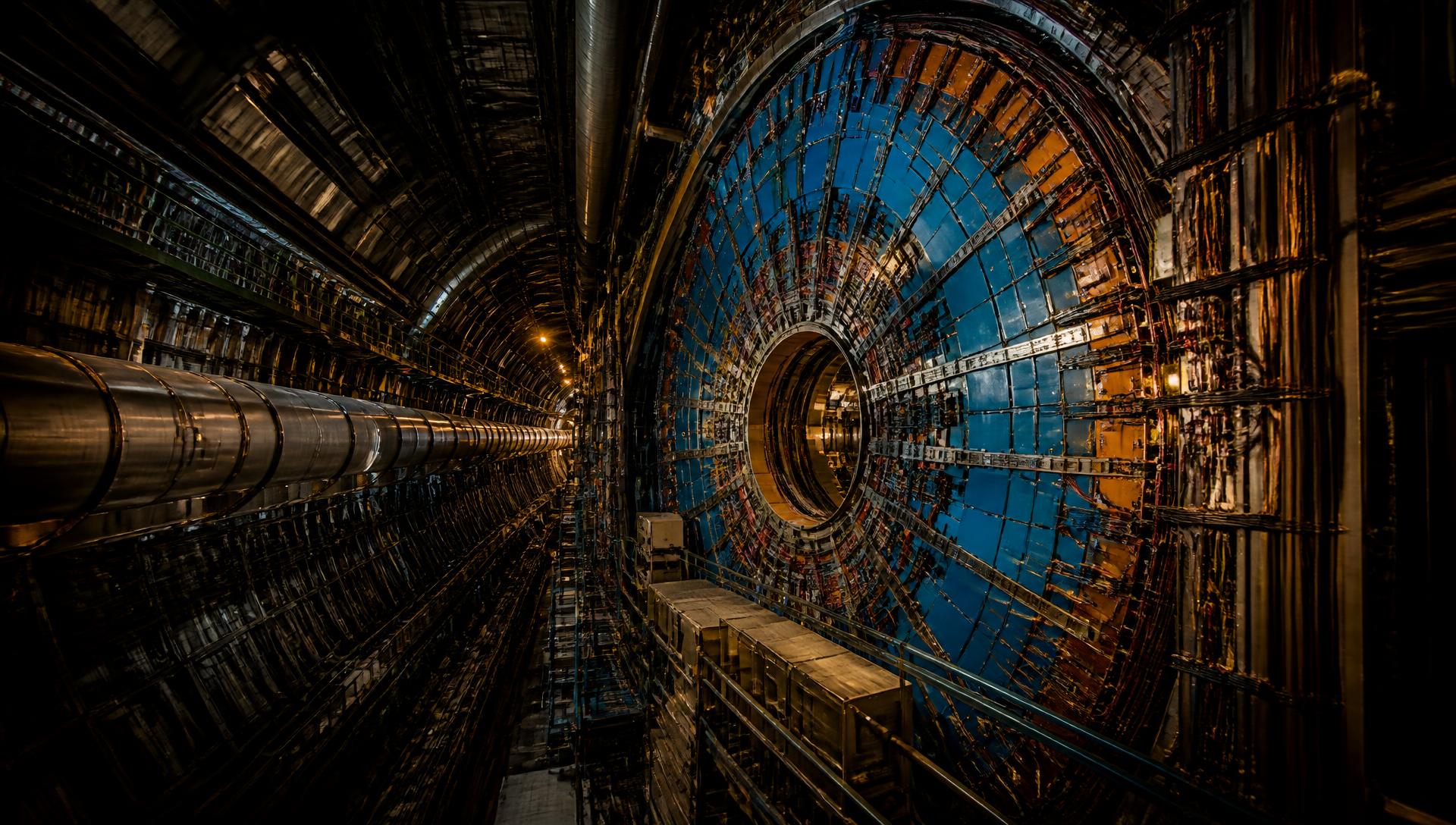
CERN looks like a tram stop, a car park, and a canteen — until you learn what's running 100 meters below: a 27-kilometer ring where protons hit 99.9999991 percent of the speed of light. Free tours exist, and few travelers know it.
Your first surprise about CERN might be how normal it looks. You won't find a dramatic glass monolith or a heavily guarded gate like in a spy movie. Instead, you'll see a simple tram stop, a car park, a few older buildings from after the war with cables connecting them, and a canteen. In that canteen, you'll likely stand in line for coffee next to brilliant scientists whose names appear on important research papers that have completely changed how we understand physics.
Your second surprise comes when you realize what's hidden underneath. One hundred meters below the ground, a massive 27-kilometer ring of superconducting magnets stretches out. It runs beneath quiet farmland, under an airport's flight path, and even below the French village of Cessy. Inside this ring, protons zoom around 11,245 times every second, moving at an incredible 99.9999991 percent of the speed of light. Powerful magnets, chilled to an astonishing -271.3 °C – colder than the empty space between stars – keep them on course. When two beams of these protons crash into each other, these collisions recreate conditions that were last seen just a tiny fraction of a second after the Big Bang, the moment the universe began.
**Why go**
It's definitely worth the trip because it's completely free to visit, and most travelers have no idea they're even allowed inside. The sheer scale of the place will truly impress you. The Science Gateway complex, designed by famous architect Renzo Piano and opened in 2023, isn't some watered-down theme park version of physics. The exhibits are the real deal: actual parts of the beam pipes, a massive detector wheel that's no longer in use but looks like a giant fairground ride, and even the original workstation where Tim Berners-Lee invented the World Wide Web back in 1989. His boss famously wrote a note about his proposal back then, calling it "vague but exciting."
If you're lucky and the tour schedule lines up, a guided visit might take you to an experiment building on the surface. During specific maintenance times, they occasionally even allow visitors underground. Make sure to book your spot the moment they become available; they typically vanish within hours.
**About the portals**
No other laboratory on Earth seems to attract more conspiracy theories than CERN. For instance, the beautiful dancing Shiva statue you'll see outside Building 40, a diplomatic gift from India in 2004, has been used for two decades as "proof" of something magical or occult. But the scientists who work there actually sell postcards of it! Also, the collisions created in the Large Hadron Collider (LHC) are, in terms of energy, quite ordinary when compared to the cosmic rays that hit Earth's atmosphere every second of every day.
The real mystery here is actually far more fascinating than any made-up story: about 95 percent of the entire universe is made of something no one has yet identified. And the brilliant people you'll see in that canteen are working tirelessly to figure out what it is.
**Practical**
To get there, take Tram 18 from Geneva; the ride is about twenty minutes, and your visitor pass covers the city's public transport. Remember to bring a photo ID and wear closed-toe shoes. Plan to spend about half a day there, and you can grab a meal at Restaurant 1. Afterward, take a walk along the countryside path right above the ring – knowing what's circling underneath your feet is a truly unique and lasting pleasure.
Plan the trip
Book this journey
We may earn a commission from these partner links, at no extra cost to you.
Tiqets — Tickets & ToursTickets and guided tours for CERN & the Large Hadron ColliderBooking.com — HotelsNearest accommodation: Geneva (6 km away)Hotels.com — HotelsNearest accommodation: Geneva (6 km away)Aviasales — FlightsFlights to Meyrin, SwitzerlandHertz — Car RentalCar hire near Geneva, Switzerland
Visit the place
Practical details, mystery rating and how to plan the trip.