Bearing Witness at Auschwitz-Birkenau
GeisTrack Editorial · 31 July 2026 · 6 min read
It's not about what you see. It's about taking a moment, listening closely, and leaving with a changed perspective.
It’s hard to write an inviting story about Auschwitz, and it would be wrong to try. But we can talk about why people still visit, and how to approach such a powerful place respectfully.
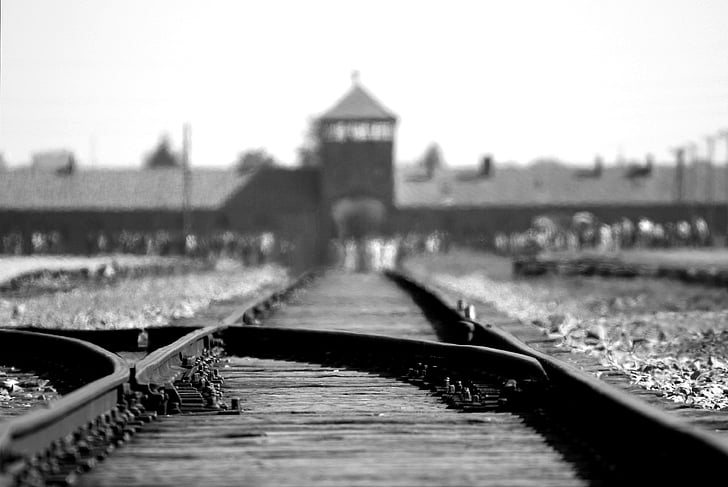
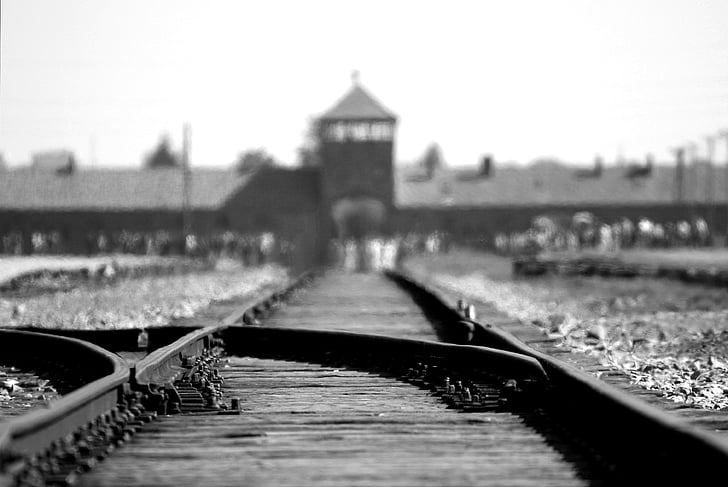
Around 1.1 million people were killed here. About a million of them were Jewish, along with Poles, Romani people (known as Roma and Sinti), Soviet prisoners of war, and many others. The site is actually made up of two main areas. Auschwitz I has brick barracks, which were originally military buildings for the Polish army before the SS converted them. This is where you’ll find the museum’s collections of historical documents and artifacts. Three kilometers away is Birkenau, which truly shows the enormous scale of what happened. It covers 175 hectares of flat land, with a railway line running right through its main gatehouse. You can still see the ruins of the gas chambers that the SS blew up as the Red Army approached.
Most visitors describe a similar moment when the true horror sinks in. It’s often not at the gate or among the vast ruins. It might be in a room in Block 5, where you see two tons of human hair behind glass. This hair was shorn from the dead and sold by the kilogram to German textile companies. Or perhaps it’s the display of children’s shoes. Many people are deeply moved by the suitcases, carefully painted with names and addresses by people who were told they were just being relocated and would need to find their belongings later. The Nazi killing machine was industrial and organized, but what remains are these very personal items. That’s often what hits you the hardest.
Practical details are incredibly important here. Admission is free, but if you visit between roughly April and October, you absolutely must book a guided tour with an educator in advance. These tours sell out weeks ahead, so plan early. Make sure to book directly through the Museum’s official website — avoid other sites. Arrive early, and bring only a small bag (you’ll have to leave larger bags at the entrance). Plan for at least three and a half hours for your visit; a proper experience will be closer to six hours, especially if you take your time walking through Birkenau, which is highly recommended.
Remember to behave as if you are at a grave, because you truly are. Please avoid smiling for photos, posing on the railway tracks, flying drones, or creating cheerful videos. The Museum has unfortunately had to ask visitors repeatedly to respect the solemnity of the site. It’s also generally not recommended for children under fourteen to visit.
Most people stay in Kraków, which is about ninety minutes away by road. It’s a good idea to stay for two nights rather than just one. You’ll likely not want to travel further that same evening after your visit. Many visitors become very quiet for hours afterward. Some choose to visit Kraków’s Kazimierz district afterward, seeking to see Jewish life as it thrives today, rather than focusing only on the tragedy of the past, which is a wonderful and natural impulse.
If you have the chance, you should go. The number of Holocaust survivors who can share their stories is sadly decreasing, which means the site itself increasingly carries the memory. Standing on that ground and reading the names is a small but powerful way to push back against forgetting.
Plan the trip
Book this journey
We may earn a commission from these partner links, at no extra cost to you.
Tiqets — Tickets & ToursTickets and guided tours for Auschwitz-Birkenau Memorial and MuseumBooking.com — HotelsNearest accommodation: Oświęcim (3 km away)Hotels.com — HotelsNearest accommodation: Oświęcim (3 km away)Aviasales — FlightsFlights to Oswiecim, Poland (KRK)Hertz — Car RentalCar hire near Oświęcim, Poland
Visit the place
Practical details, mystery rating and how to plan the trip.