Pillar guide
The ultimate dark tourism destinations guide
Six places where history did something people are still trying to absorb: a memorial camp in southern Poland, a city evacuated in a day and a half, an island prison, a mining town the sea took back. Each entry is a real, visitable site with directions, visiting rules and an honest account of what happened there.
How to travel to these places well
Dark tourism gets criticised when visitors treat suffering as scenery. The fix is simple and it is mostly behaviour: read before you go, take the guided route where one exists, keep your voice down, and put the camera away in any space that functions as a grave. Most memorial sites publish visitor rules on their own websites — those rules are the standard, not our opinion.
Every entry below links to its full dossier with history, travel logistics and safety notes. You can also open the interactive atlas to see how these sites sit against the rest of the archive.
Six dark tourism destinations worth the journey
1. Auschwitz-Birkenau Memorial and Museum
Lesser Poland, Poland · Mystery 1/5
The most important site on this list, and the one that sets the tone for all the others. Auschwitz-Birkenau is a memorial and a museum before it is a destination, and the guided route through the camps is built to teach rather than to thrill. Nothing here is unexplained. That is the point.
Auschwitz-Birkenau in southern Poland was the largest Nazi concentration and extermination camp. More than one million people were murdered here, most of them Jews. The site is now a memorial and museum. It is not a sightseeing stop. It is a place people visit to understand what happened.
Plan your visit: Oświęcim, about 90 minutes from Kraków. Entry is free but timed — book a guided tour slot online well ahead, and plan for at least three and a half hours.
2. Pripyat
Kyiv Oblast, Ukraine · Mystery 4/5
A city of 49,000 people emptied in 36 hours in April 1986 and never reoccupied. The fairground that never opened, the school corridors stopped mid-term and the trees pushing through apartment blocks make Pripyat the clearest picture anywhere of what happens when a modern town simply stops.
Pripyat was built in 1970 for the workers of the Chernobyl nuclear plant. Almost 50,000 people lived there. On 27 April 1986, the day after the reactor explosion, everyone was evacuated in a few hours. They were told it was temporary. Nobody moved back.
Plan your visit: Only with a licensed guide, and only when the Chornobyl Exclusion Zone is open to visitors. Access depends on the security situation in Ukraine — check current status before planning anything.
3. Alcatraz Island
California, USA · Mystery 5/5
A federal prison on a rock in San Francisco Bay, closed since 1963 and preserved almost exactly as it was left. The audio tour uses the voices of the men who lived and worked there, which is what lifts it above the usual prison museum.
Alcatraz is a small rocky island in San Francisco Bay. For 29 years it held some of the most famous prisoners in the United States. The prison closed in 1963 and is now a museum. People come for the history, the view back at the city, and the story of the three men who escaped and were never found.
Plan your visit: Ferries leave from Pier 33 in San Francisco. Book weeks ahead; the night tour is the atmospheric one and sells out first.
4. Hashima Island
Nagasaki Prefecture, Japan · Mystery 3/5
A concrete apartment city off Nagasaki, packed with coal miners until the seam closed in 1974 and abandoned in a single season. It is also a site of wartime forced labour, a history the island's tour operators have only recently begun to address openly.
Hashima, known as Battleship Island, is a small concrete island off Nagasaki. Thousands of coal miners and their families lived here in some of Japan's first big concrete apartment blocks. The mine closed in 1974 and everyone left within weeks. The buildings have been falling apart ever since.
Plan your visit: Boat tours from Nagasaki. Landings are cancelled in rough seas and visitors are kept to one short walkway on the southern tip.
5. Kolmanskop
Karas, Namibia · Mystery 3/5
A German diamond town in the Namib that emptied when the stones ran out. No atrocity here, just abandonment at full speed: dunes pour through ballroom doorways and sand climbs the wallpaper of the hospital.
Kolmanskop is a German built diamond town in the Namib desert, near Lüderitz in Namibia. It was rich, then the diamonds ran out, and by 1956 it was empty. Sand has poured through the doors ever since. Some rooms are half full of dunes.
Plan your visit: Ten minutes from Lüderitz, Namibia. A photographer's permit gets you through the gate at sunrise, which is the only light worth shooting.
6. Bus 142 — The Into the Wild Magic Bus
Alaska, USA · Mystery 4/5
The bus where Christopher McCandless died in 1992 became a pilgrimage that killed and injured other hikers, so Alaska airlifted it off the Stampede Trail in 2020. Visiting it now means visiting a conserved object in a museum — which is the responsible end of this story, not a disappointment.
Bus 142 is the abandoned bus where Christopher McCandless died in Alaska in 1992, made famous by the book and film Into the Wild. So many people got into trouble trying to reach it that the bus was airlifted out in 2020. It is now on display in Fairbanks, and the original site is empty.
Plan your visit: Museum of the North, University of Alaska Fairbanks. The trail site itself is not a destination and the river crossings that made it dangerous have not changed.
Where to go next
If the emptiness is what draws you rather than the history, our abandoned places collection is the better starting point. The full dark tourism category holds every site we have documented, and if you want folklore instead of records, read our guide to the most haunted places in the world.
Frequently asked
- What is dark tourism?
- Dark tourism is travel to places associated with death, disaster or atrocity — memorial sites, disaster zones, prisons, and towns abandoned after a catastrophe. The motive is understanding rather than entertainment, which is what separates it from ghost tourism.
- What are the best dark tourism destinations to start with?
- Auschwitz-Birkenau in Poland and Alcatraz Island in San Francisco are the two most accessible: both are professionally interpreted, easy to reach and designed for first-time visitors. Pripyat is the most demanding, both logistically and emotionally.
- Is dark tourism disrespectful?
- It depends entirely on how you behave. Memorial sites publish visitor rules for a reason: follow the guide, keep your voice down, and think hard before you photograph anything. Sites of real death are not backdrops for portraits.
- Is dark tourism the same as haunted travel?
- No. Dark tourism deals with documented history; haunted travel deals with folklore. Some places sit in both categories — Alcatraz and Pripyat carry ghost stories on top of their real records — and we label them accordingly.
- How does GeisTrack rate dark tourism sites?
- Every destination carries a Mystery Rating from 1 to 5, which measures how much of the story is still unresolved. Memorial sites like Auschwitz-Birkenau score low precisely because the history is fully documented — a low score is not a judgement on how important a place is.
Track more mysteries
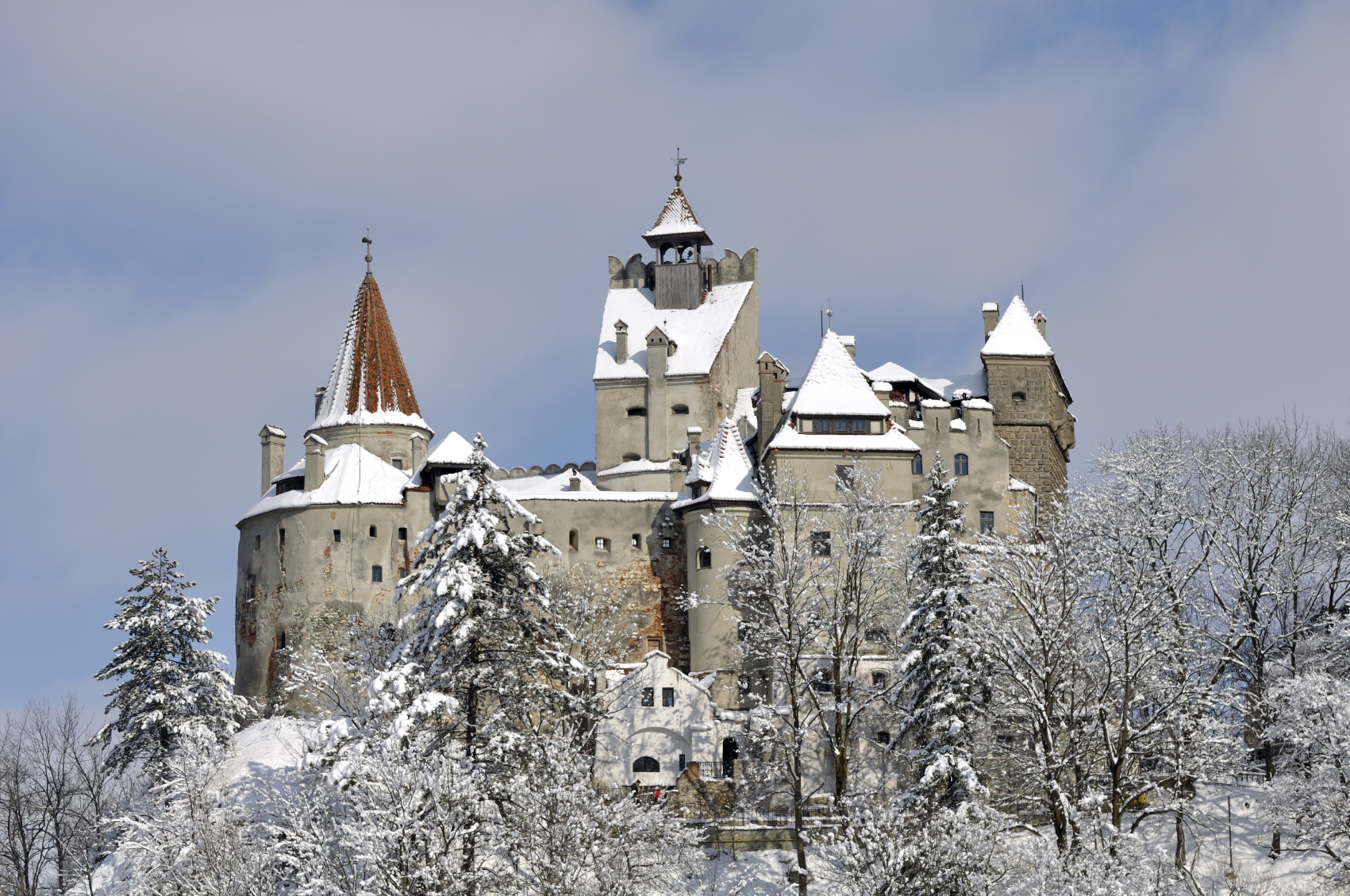
Bran, Romania
Bran Castle
Bran Castle stands on a rock in a mountain pass in Transylvania, Romania. It was built in the 1300s as a customs post and fortress. It has no real link to Dracula, but it looks so much like the castle in Bram Stoker's novel that it became the most photographed Dracula site in the world.
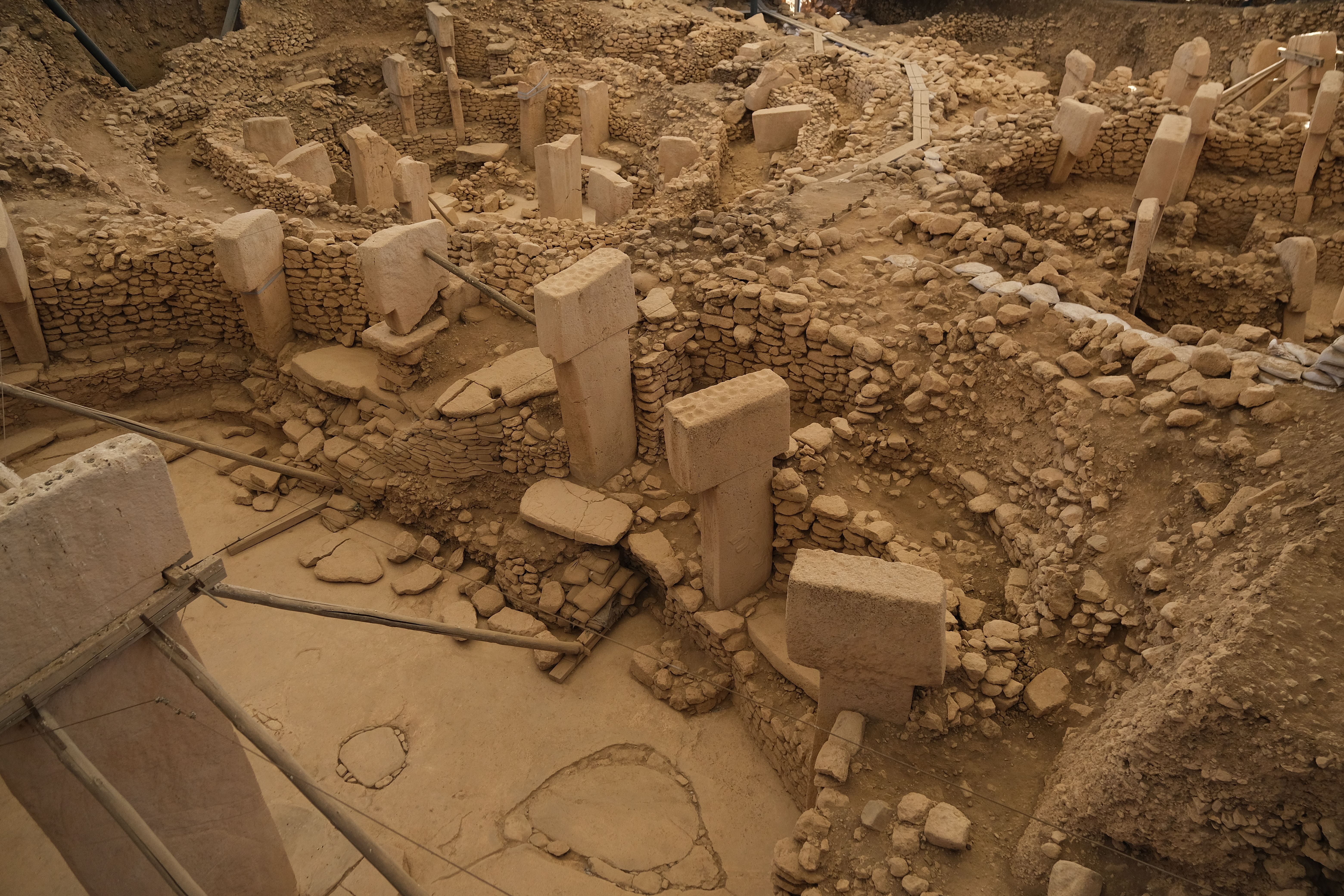
Şanlıurfa, Turkey
Göbekli Tepe
Göbekli Tepe in southeast Turkey is a set of stone circles built around 9500 BC. That makes it thousands of years older than Stonehenge or the pyramids, and older than farming, pottery or writing in this region. Hunter gatherers carved and raised T shaped pillars up to 5.5 metres tall.
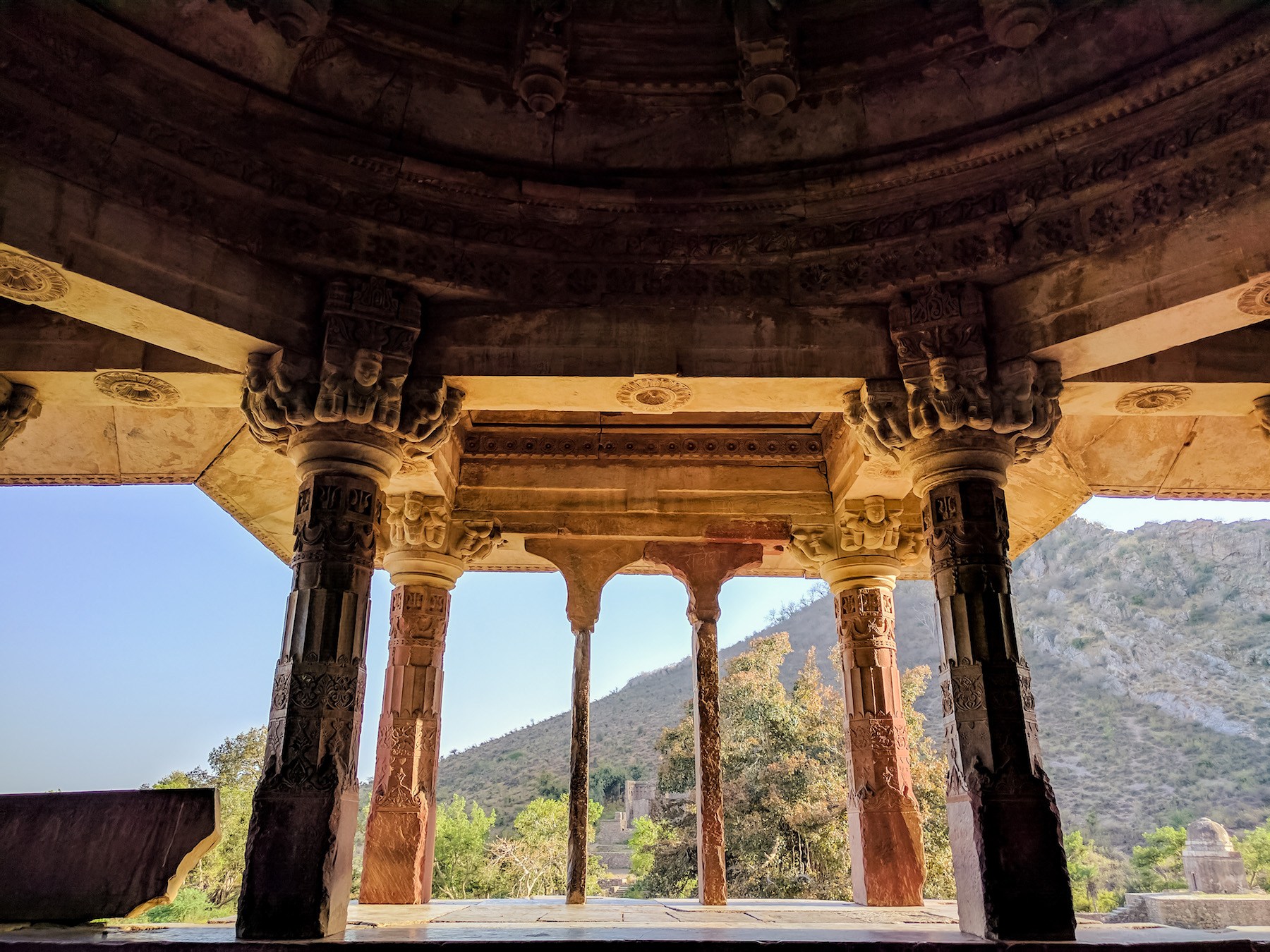
Bhangarh, India
Bhangarh Fort
Bhangarh Fort stands in Rajasthan, India, at the edge of a nature reserve. It was a busy town in the 1600s and then it emptied out. India's Archaeological Survey has put up a sign that stops anyone entering between sunset and sunrise, which is why it is often called the most haunted place in India.