Auschwitz-Birkenau Memorial and Museum
Oswiecim, Lesser Poland, Poland20th century
Mystery rating
Auschwitz-Birkenau in southern Poland was the largest Nazi concentration and extermination camp. More than one million people were murdered here, most of them Jews. The site is now a memorial and museum. It is not a sightseeing stop. It is a place people visit to understand what happened.
Why GeisTrack picked it
GeisTrack covers dark tourism because some places demand to be understood, not just visited. Auschwitz-Birkenau is the clearest case: a site preserved specifically so its history cannot be denied, run today as an educational memorial rather than an attraction, with strict rules about behaviour and photography that keep the focus on remembrance.
Why it's famous
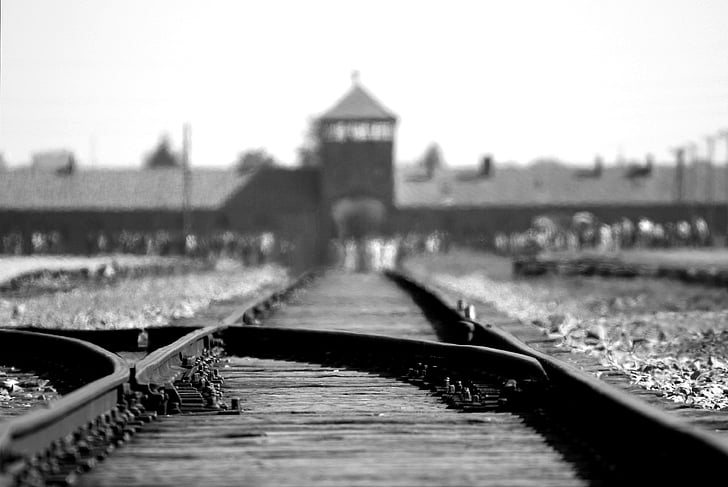
Auschwitz-Birkenau is the most important physical site connected to the Holocaust and the place most people picture when they think of it. Between 1940 and 1945, the Nazis murdered more than 1.1 million people here, around 90 percent of them Jewish, alongside Poles, Roma and Sinti people, and Soviet prisoners of war. Poland preserved the camp as a memorial in 1947, and UNESCO listed it as a World Heritage Site in 1979. The preservation was deliberate. The SS tried to destroy the evidence before fleeing, blowing up crematoria and burning records. They failed. The barracks, the railway ramp, the collected shoes, suitcases and human hair still stand as proof that cannot be argued away. Soviet troops liberated the roughly 7,000 survivors on January 27, 1945, a date now marked worldwide as International Holocaust Remembrance Day.
History
The camp opened in June 1940. It was set up in former Polish army barracks in Oświęcim and was first used for Polish political prisoners. The first time the Nazis experimented with mass gassing using Zyklon B was in Block 11 in September 1941, on Soviet prisoners of war and sick prisoners. Starting in 1942, Auschwitz became a central part of what the Nazis called the "Final Solution," their plan to exterminate Jewish people. Birkenau, also known as Auschwitz II, was built three kilometers away on a vast, flat piece of land. It featured four large complexes with gas chambers and crematoria. A railway line was even built directly through the gatehouse, allowing trains to unload prisoners right inside the camp on a ramp. There, SS doctors would perform "selection": most new arrivals – usually the elderly, the sick, and mothers with children – were sent straight to the gas chambers. A third camp, Monowitz, provided slave labor to the German chemical company IG Farben, and many smaller sub-camps supplied workers to German industries across the region. One of the most horrific events was the murder of about 430,000 Hungarian Jews in less than two months in 1944. As the Soviet Red Army drew closer, the SS tried to hide their crimes. They blew up the crematoria and forced about 56,000 prisoners on brutal "death marches" heading west. Soviet troops finally liberated the camp on January 27, 1945. They found about 7,000 survivors, too weak to move. This date is now recognized worldwide as International Holocaust Remembrance Day.
The full story
When you plan your visit, it’s important to have the right expectations. Entry to this memorial is free, but you absolutely must reserve a time slot on the official website, visit.auschwitz.org. If you want an English-guided tour, especially during summer, these often get booked weeks in advance. During the busiest hours, between 10 AM and 4 PM, you can only enter Auschwitz I with an educator. If you can, book the extended study tour; it lasts six hours, giving you the time this profound place truly needs. You'll start at Auschwitz I. As you walk under the infamous "Arbeit Macht Frei" gate, you'll enter the brick buildings that now house exhibitions. Some rooms are incredibly difficult to see – like the two tons of human hair, the piles of children's shoes, or the prosthetic limbs. You’ll also see the wall of registration photographs, showing faces with dates of arrival and death that are often just weeks apart. Block 11 holds the chilling punishment cells and the execution wall. Then, you'll see Crematorium I. A free shuttle bus takes you three kilometers away to Birkenau. Here, the sheer size of the camp truly hits you: the gatehouse tower, the railway tracks leading inside, the arrival ramp, the wooden barracks with their tiered bunks and brick chimneys, and the ruined concrete foundations of the gas chambers, left exactly as the SS destroyed them. Some practical advice is important here. Plan for at least 3.5 hours, but ideally six. Bags larger than 30x20x10 cm (about 12x8x4 inches) must be stored in lockers. Dress for the weather, as Birkenau is completely open to the elements. You can take photos for personal use in most areas, but it's forbidden in the rooms containing human hair and in the Block 11 basement. Remember, posing for photos anywhere on the site is deeply inappropriate. The memorial also doesn't recommend visits for children under 14. Oświęcim, where the memorial is located, is about 70 kilometers (43 miles) west of Kraków, taking about 90 minutes by bus or train. It’s a good idea not to schedule anything demanding right after your visit; most people need the evening to quietly reflect on what they’ve seen. In Kraków, places like the Schindler Factory museum, the historic Kazimierz Jewish quarter, and the Galicia Jewish Museum can help complete your understanding of the period. Back in Oświęcim, the Auschwitz Jewish Center tells the story of the Jewish town that existed there long before the camp was built.
Legends & sightings
This is not a place for ghost stories or myths; the memorial actively works against them. What it does hold, however, is powerful testimony. Survivors like Primo Levi, Elie Wiesel, and Viktor Frankl wrote about their experiences from inside this terrible system, and reading their accounts is the best way a visitor can prepare for what they will see. There's also the story of the Sonderkommando members who buried written testimonies in the ground near Crematorium III – documents that were recovered after the war. These brave individuals left records they knew would likely outlive them. Witold Pilecki even volunteered to be imprisoned here so he could report back to the Polish underground resistance. The story of the evidence itself is remarkable. The SS tried to erase all traces of the camp: they blew up crematoria, burned records, and disturbed mass graves. But they failed. The rooms filled with confiscated personal belongings, the 40,000 registration photographs, the death records, and the voices of survivors ensured their failure. Today, the Memorial's conservation laboratory works continuously to preserve decaying leather, paper, and fabric for future generations. Many visitors often say afterwards that no book or film truly prepares you for the sheer scale of Birkenau – the flat, silent ground stretching to the horizon in every direction.
Fact or legend?
This is documented history, not legend. The camp records, survivor testimony, German documents and the site itself are all preserved and studied. Nothing about Auschwitz is uncertain in the way a ghost story is uncertain. GeisTrack lists it under dark tourism because it must be remembered, not because it is mysterious.
Field notes
- More than 1.1 million people were murdered at Auschwitz-Birkenau, around 90% of them Jewish.
- The site was preserved as a memorial by the Polish parliament in 1947 and listed by UNESCO in 1979.
- Around 430,000 Hungarian Jews were deported and mostly murdered here within eight weeks in 1944.
- Soviet forces liberated about 7,000 remaining prisoners on 27 January 1945, now International Holocaust Remembrance Day.
- The collections include some 110,000 shoes, 3,800 suitcases and around two tonnes of human hair.
- Entry is free, but a timed reservation is required and guided entry is compulsory during peak hours.
Our verdict
GeisTrack Verdict
This isn't a place to add to an itinerary out of curiosity. It's a place to go prepared, ideally after reading survivor accounts by Primo Levi or Elie Wiesel. Book the extended six-hour study tour if you can; the standard visit feels rushed given the scale of what's here. Birkenau's flat, silent grounds affect people more than photographs ever suggest. This suits serious travellers and students of history, not families with young children (the memorial itself discourages visits for under-14s) or anyone looking for a quick stop between Kraków sights. Clear your evening afterward. Most people need it.
Editorial assessment based on research, not a sponsored review. See our editorial policy.
Can you visit?
Yes. The State Museum is open to visitors and entry is free, but you must reserve a time slot online in advance. During the busy part of the day you must join a guided tour. A visit covers two sites, Auschwitz I and Birkenau, about 3 km apart, linked by a free shuttle bus.
How to get there
Kraków is the usual base. 1. Fly into Kraków (KRK) or Katowice (KTW). 2. From Kraków, take a train or bus to Oświęcim, or use an organised day trip that includes transport. 3. The museum is a short walk or local bus ride from Oświęcim station. Driving is possible and there is a paid car park at the site.
Before you go
Book your entry slot online, weeks ahead in summer. Allow at least three and a half hours, and longer if you want to see both sites properly. Only small bags are allowed inside. Leave larger bags at the left-luggage point or in your car. Dress for the weather. Much of Birkenau is open ground with no shelter. The museum advises that the visit is not suitable for children under 14.
Travel tips
Book your guided or study tour online well in advance. Bring only a small bag; anything larger will need to be left in lockers. Dress warmly and be prepared for wind and rain at Birkenau, as it’s completely open. Read survivor accounts before you go, and make sure to keep the rest of your day free afterwards for reflection.
Safety
This is a place of remembrance. Please remain silent and behave respectfully throughout your visit. Do not pose for photographs, and do not touch or remove any objects. Always follow the instructions from the Memorial's educators.
What to expect
Auschwitz I is made of brick blocks, several of which hold exhibitions, including rooms of belongings taken from the victims. Birkenau is far larger and mostly empty: the railway line, the gate, wooden barracks and the ruins of the gas chambers. There is a lot of walking. Most people are quiet the whole way round. It is a hard visit, and it should be.
Visit with respect
This is a graveyard. Do not take smiling photos, do not pose on the railway tracks, do not eat or smoke inside the grounds, and keep your voice down. Photography is allowed in most outdoor areas but not everywhere, and some rooms ask for silence. Follow the signs.
Frequently asked
Plan your trip
Book the practical parts of the journey. We may earn a commission from these partner links, at no extra cost to you.
Plan your visit
Getting to Auschwitz-Birkenau Memorial and Museum
Everything you need to turn this mystery into a trip. We may earn a commission from these partner links, at no extra cost to you.
- Best time to visit
- Visit between April and October; morning slots are usually the quietest.
- Opening hours
- Open daily except 1 January, 25 December and Easter Sunday. Opening hours vary by season, typically 07:30 until 14:00-19:00.
- Entrance fee
- Entry to the grounds is free. Guided tours are ticketed and reservation is required in advance.
Continue your GeisTrack
Other places on GeisTrack that pair well with Auschwitz-Birkenau Memorial and Museum — same kind of story, or the same corner of the map.
Ukraine
Pripyat
Pripyat was built in 1970 for the workers of the Chernobyl nuclear plant. Almost 50,000 people lived there. On 27 April 1986, the day after the reactor explosion, everyone was evacuated in a few hours. They were told it was temporary. Nobody moved back.
USA
Alcatraz Island
Alcatraz is a small rocky island in San Francisco Bay. For 29 years it held some of the most famous prisoners in the United States. The prison closed in 1963 and is now a museum. People come for the history, the view back at the city, and the story of the three men who escaped and were never found.
Or browse every dark tourism entry, or open the interactive atlas.
Read the story
Long-form journal writing about Auschwitz-Birkenau Memorial and Museum.
Destination Stories
Bearing Witness at Auschwitz-Birkenau
It's not about what you see. It's about taking a moment, listening closely, and leaving with a changed perspective.
31 July 2026 · 6 min read
History
Dark Tourism Without the Voyeurism
It's okay to visit places where sad things happened. What's not okay is doing it disrespectfully.
12 July 2026 · 9 min read
Rate This Destination
What do you think of this destination? Share your rating with the GeisTrack community.
Community Rating
No ratings yet. Be the first to rate this destination.
Visitor opinion only — separate from the GeisTrack editorial mystery ratings above.
Been here? Share your experience
Have you visited this place? Tell other GeisTrack travelers what it was really like. Your experience may help someone plan their own visit.
No comments yet
No traveler comments yet. Be the first to share your thoughts.