Eilean Mòr
Flannan Isles, Outer Hebrides, United Kingdom20th century
Mystery rating
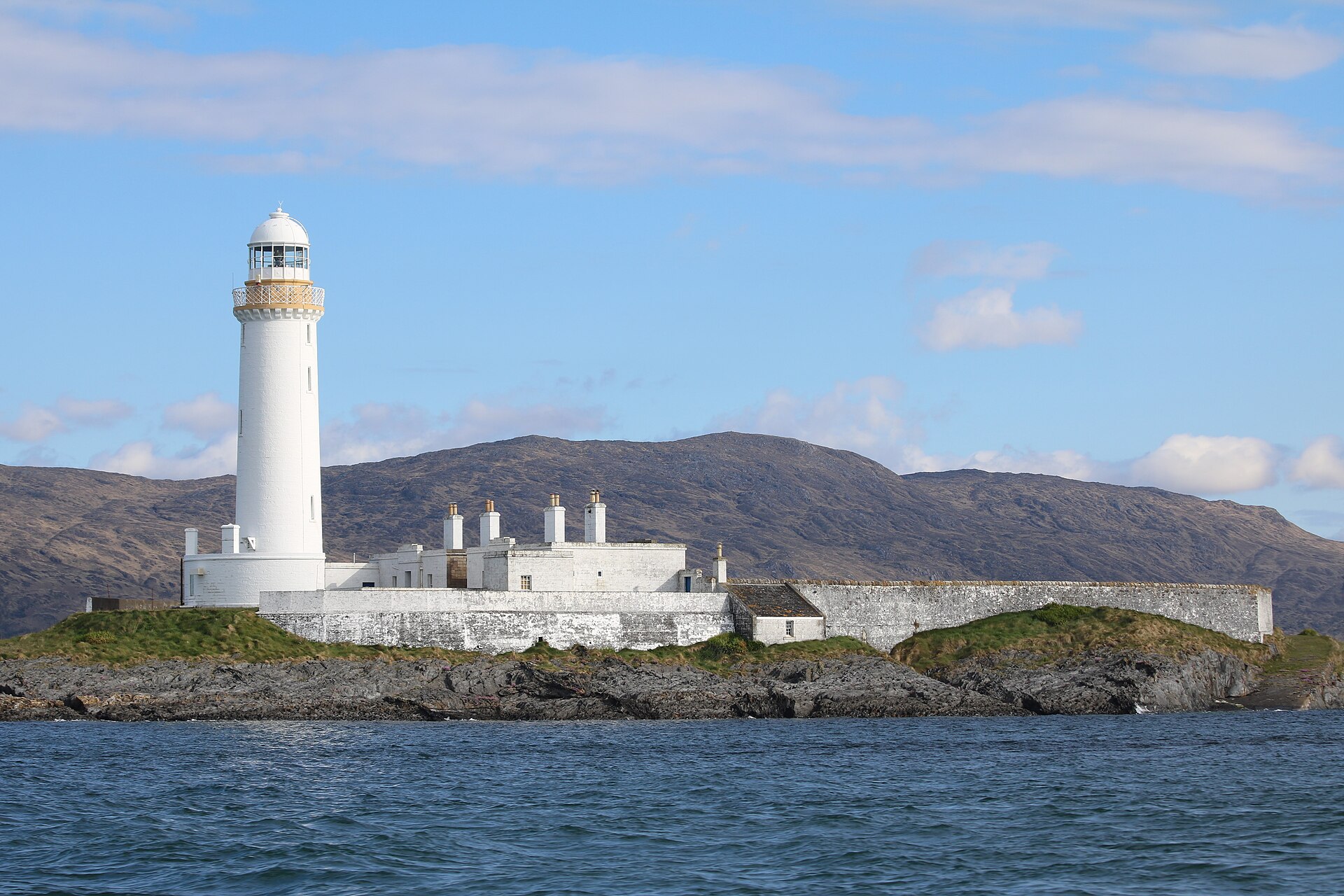
Eilean Mòr is the largest of the Flannan Isles, small rocks in the Atlantic west of Scotland. In December 1900 the three lighthouse keepers vanished. The lamp was clean, the table was set, and two sets of waterproofs were gone. No one has ever found them.
Why GeisTrack picked it
Few destinations in this category require the physical commitment Eilean Mòr does. There's no scheduled ferry, landing depends entirely on the Atlantic cooperating, and reaching the island at all is an achievement most travellers never attempt. GeisTrack lists it because the mystery has a serious, evidence-based explanation that still leaves room for uncertainty.
Why it's famous
Captain Jim Harvie's relief crew found no flag flying and no answer to the ship's whistle when the Hesperus arrived at Eilean Mòr. Inside the lighthouse, the clocks had stopped and the last logbook entry was dated 11 days earlier. Keepers James Ducat, Thomas Marshall, and Donald McArthur were never found. Investigator Robert Muirhead later discovered twisted iron railings at the west landing, a supply box torn from 33 metres above sea level, and turf ripped from the cliff edge, evidence that points toward a huge rogue wave sweeping the men away while they secured equipment. Much of the story people know isn't real. An overturned chair, an untouched meal, and dramatic logbook entries about weeping and prayer were invented, largely popularised by Wilfrid Wilson Gibson's 1912 poem "Flannan Isle." Real Hebridean tradition treated the islands with caution long before 1900, with shepherds performing small rituals when they landed there.
History
The Flannan Isles are a group of seven uninhabited rocks located about 32 km west of Lewis in the Outer Hebrides. Historically, Hebridean shepherds would visit them for summer grazing, treating the islands with a certain superstitious respect. The lighthouse, designed by engineer David Alan Stevenson, was first lit in December 1899 to help guide ships approaching from the northwest. It was typically staffed by three keepers on a rotating schedule, with a fourth keeper waiting ashore as a relief. On December 15, 1900, a passing steamer named Archtor noticed that the lighthouse light was out. Bad weather then delayed a relief crew from reaching the island until Boxing Day. When Captain Jim Harvie of the Hesperus finally managed to land, his second mate, Joseph Moore, found the entrance gate and all doors to the lighthouse closed. Inside, the clocks had stopped, and the kitchen was cold. The last entry in the logbook was dated December 15 at 9 am. The official investigation, led by Robert Muirhead, uncovered key details. He noted that iron railings at the west landing were twisted, a supply box mounted 33 meters above sea level had been ripped away, and turf had been torn from the cliff edge at a height of 200 feet. Two sets of oilskins (waterproof clothing) were missing, but keeper McArthur's were still hanging up. Muirhead concluded that the men had gone to secure some equipment at the west landing and were swept away by an unusually large wave. The lighthouse was made automatic in 1971 and has been unstaffed ever since.
The full story
Reaching Eilean Mòr is probably the hardest journey you'll find on this site, and that's exactly what makes it so appealing. There are no regular boats to the island. Instead, you'll need to charter a boat from Miavaig or Uig on the west side of Lewis. This is only possible when the Atlantic Ocean cooperates, which often means just a few good days each summer. The trip across the open water takes about two hours, with nothing but ocean between you and North America. Even then, landing on the island isn't guaranteed. If the ocean swell allows, boats try to use the east landing. This means carefully jumping onto wet concrete steps and then climbing a steep path up to the flat plateau. Once you're up there, you'll find short, tough grass, thousands of noisy seabirds, the stone shelters where the keepers once lived, the crumbling ruins of St Flannan's chapel, and the stark white lighthouse itself. It's still automated and its light still turns, guiding ships. If you walk to the western landing and look down into the gully, you'll see a dramatic drop, rusty railings, and the sheer power of the water crashing below. This view, more than any book, will give you a sense of the immense forces at play that might explain what happened back in 1900. Most travelers experience the island from a distance, perhaps as part of a wildlife cruise around the Outer Hebrides. These cruises circle the islands without landing, or you might find a multi-day boat trip that also visits St Kilda, a much larger archipelago about 60 km to the south. You could also combine a trip to Eilean Mòr with exploring the Isle of Lewis itself, visiting ancient sites like the Callanish standing stones, the Iron Age broch at Carloway, and the beautiful beaches at Uig. Don't forget to pack seasickness tablets, good waterproof clothing, and be ready for unpredictable weather. If the sea decides it's too rough, you might just find yourself enjoying coffee in Stornoway and trying again another day. That's the biggest lesson Eilean Mòr teaches you: out here, the Atlantic is truly in charge.
Legends & sightings
It's fascinating how much of the popular story about the Flannan Isles is actually untrue. Tales of an overturned chair, an uneaten meal, or logbook entries describing keeper Marshall weeping and McArthur, a tough sailor, praying during a storm that no other station recorded — these were all made up. Many of these dramatic details were popularized by Wilfrid Wilson Gibson's 1912 poem, "Flannan Isle," which firmly planted a ghostly version of events in people's minds. However, real Hebridean folklore already held the islands in a respectful, uneasy light. Shepherds who landed there would perform rituals, like turning sunwise with uncovered heads or refusing to name certain objects. This was because the Flannans were believed to belong to something ancient and powerful, even older than the ruined chapel of St Flannan that stands on the highest point. Today, theories about what happened continue to circulate: a sea monster, an attack by a foreign vessel, a murder-suicide, an abduction, or a giant rogue wave. Oceanographers now point out that the west landing is located in a narrow gully where Atlantic swells can become incredibly powerful. They suggest that a single, massive surge of water could easily have swept over the stairs, reaching well above where the men might have been standing. This is now considered the most likely explanation, even if it's one that can't be definitively proven.
Fact or legend?
Documented: the relief boat found the island empty on 26 December 1900. The official investigation concluded that the men were probably swept away by a huge wave while securing equipment near the west landing, where storm damage was found. Legend: later stories added an overturned chair, a stopped clock and an untouched meal. Those details came from a poem and from retellings, not from the report. Unknown: nobody saw what happened, so the wave theory remains the best explanation, not a proven one.
Field notes
- The three keepers vanished between 15 and 26 December 1900; no bodies were ever found.
- The official report found iron railings twisted and a supply box torn away 33 metres above the sea.
- Two of the three sets of oilskins were missing — Donald McArthur apparently left in shirtsleeves.
- The famous overturned chair and dramatic log entries were invented by later writers, not recorded at the time.
- The lighthouse was designed by David Alan Stevenson, of the family that produced Robert Louis Stevenson.
- Eilean Mòr has been unmanned since automation in 1971, and the light still operates.
Our verdict
GeisTrack Verdict
This is for committed travellers, not casual ones. You'll need to base yourself in Stornoway or Uig, book a charter with an experienced Hebridean captain, and accept that bad weather may cancel your trip entirely. If you do land, expect seabirds, ruined stone shelters, the crumbling chapel of St Flannan, and a working lighthouse rather than any dramatic ghost-story staging. The rogue-wave explanation is convincing and well supported, so don't expect a supernatural payoff. What you get instead is raw Atlantic scenery and a real sense of the forces that likely killed three men. Pair it with St Kilda or the Callanish stones to make the trip worthwhile.
Editorial assessment based on research, not a sponsored review. See our editorial policy.
Can you visit?
Barely. The island is uninhabited, has no facilities and no regular boat service. The lighthouse is automated. Landing depends on the sea, and only a few specialist boat operators from Lewis attempt it in settled summer weather. Most people see it from a boat trip rather than setting foot on it.
How to get there
The Isle of Lewis is the base. 1. Fly to Stornoway (SYY) from Glasgow, Edinburgh or Inverness, or take the ferry from Ullapool. 2. Travel west across Lewis towards the coast near Uig. 3. Arrange a charter boat locally. Crossings only run in good conditions and are often cancelled. There is no scheduled way to reach the island.
Before you go
Contact boat operators well in advance and accept that weather may cancel your trip. Build spare days into your plan. Bring waterproofs, warm layers and seasickness tablets. The Atlantic here is rough. There are no toilets, shelter or drinking water on the island. Landing involves climbing steps cut into rock, which is not suitable for everyone.
Travel tips
Plan your base in Stornoway or Uig on Lewis and set aside several extra days, as charter boats often get cancelled. Make sure to book with an operator who has experience with landings on the Flannan Isles or St Kilda. Bring strong seasickness medication, full waterproof gear, and sturdy boots with good grip for navigating the wet landing steps. If you have extra time due to cancellations, explore nearby attractions like Callanish, Dun Carloway, and the Uig beaches.
Safety
Landing on Eilean Mòr is genuinely tricky and always depends on the weather. Only charter boats with experienced Hebridean captains who know these waters well.
What to expect
A long, exposed sea crossing, cliffs full of seabirds and a white lighthouse on an empty green top. If you land, there is the old railway track, the ruined chapel and total silence. Most visitors describe the isolation as the strongest impression. It is a full day at sea.
Visit with respect
Three men died here. The lighthouse is a working navigation aid, so do not interfere with equipment, and leave nothing behind.
Frequently asked
Plan your trip
Book the practical parts of the journey. We may earn a commission from these partner links, at no extra cost to you.
Plan your visit
Getting to Eilean Mòr
Everything you need to turn this mystery into a trip. We may earn a commission from these partner links, at no extra cost to you.
- Best time to visit
- From late May to early August, on days when the sea is calmest.
- Opening hours
- No public opening — landings by charter only
- Entrance fee
- Charter dependent
Continue your GeisTrack
Other places on GeisTrack that pair well with Eilean Mòr — same kind of story, or the same corner of the map.
Make it a route
Combine it with the standing stones of Callanish and the Lewis coast for a Hebridean route.
United Kingdom
Lindisfarne
Lindisfarne, or Holy Island, lies off the coast of Northumberland in England. A road across the sand connects it to the mainland, but the sea covers that road twice a day. In 793 AD Viking raiders attacked the monastery here, an event that shocked Christian Europe and is often used to mark the start of the Viking Age.
United Kingdom
Bonnybridge
Bonnybridge is an ordinary small town in central Scotland. Since the 1990s it has had a strange reputation: local people report more UFO sightings here than almost anywhere else in Britain. A local councillor collected hundreds of reports and asked the government to investigate. Nothing was ever explained.
United Kingdom
Stonehenge
Stonehenge stands on Salisbury Plain in southern England. Building started around 3000 BC and the big stone circle went up a few hundred years later. Some of the stones were dragged here from Wales, roughly 250 km away. Nobody knows exactly why.
Or browse every lighthouses legends entry, or open the interactive atlas.
Read the story
Long-form journal writing about Eilean Mòr.
Destination Stories
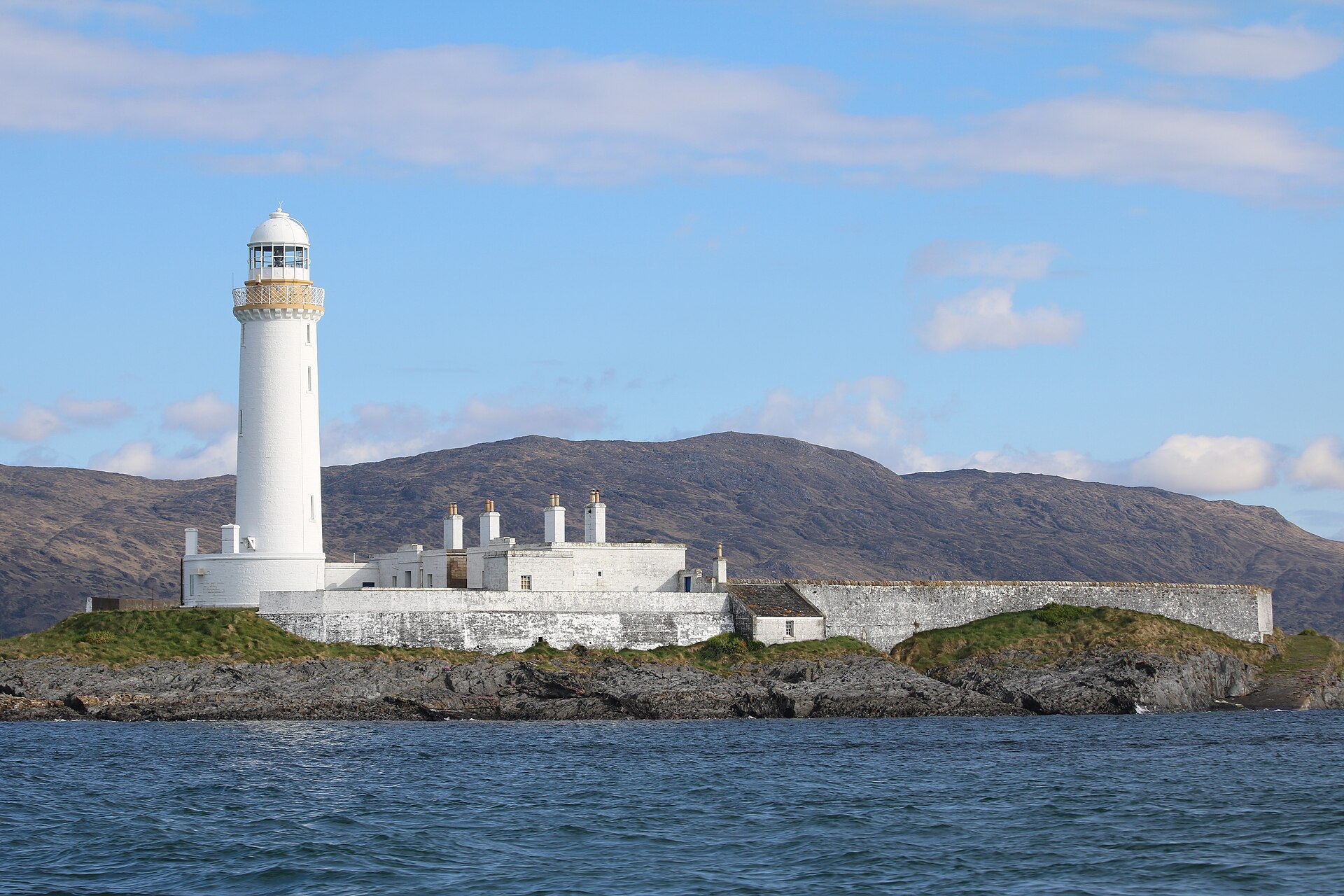
The Locked Lighthouse: What Happened on Eilean Mòr
On December 15, 1900, a passing ship noticed the light on Eilean Mòr had gone dark. Eleven days later, rescuers found the lighthouse empty, the beds unmade, and three keepers gone without a trace.
31 July 2026 · 6 min read
Haunted Stories
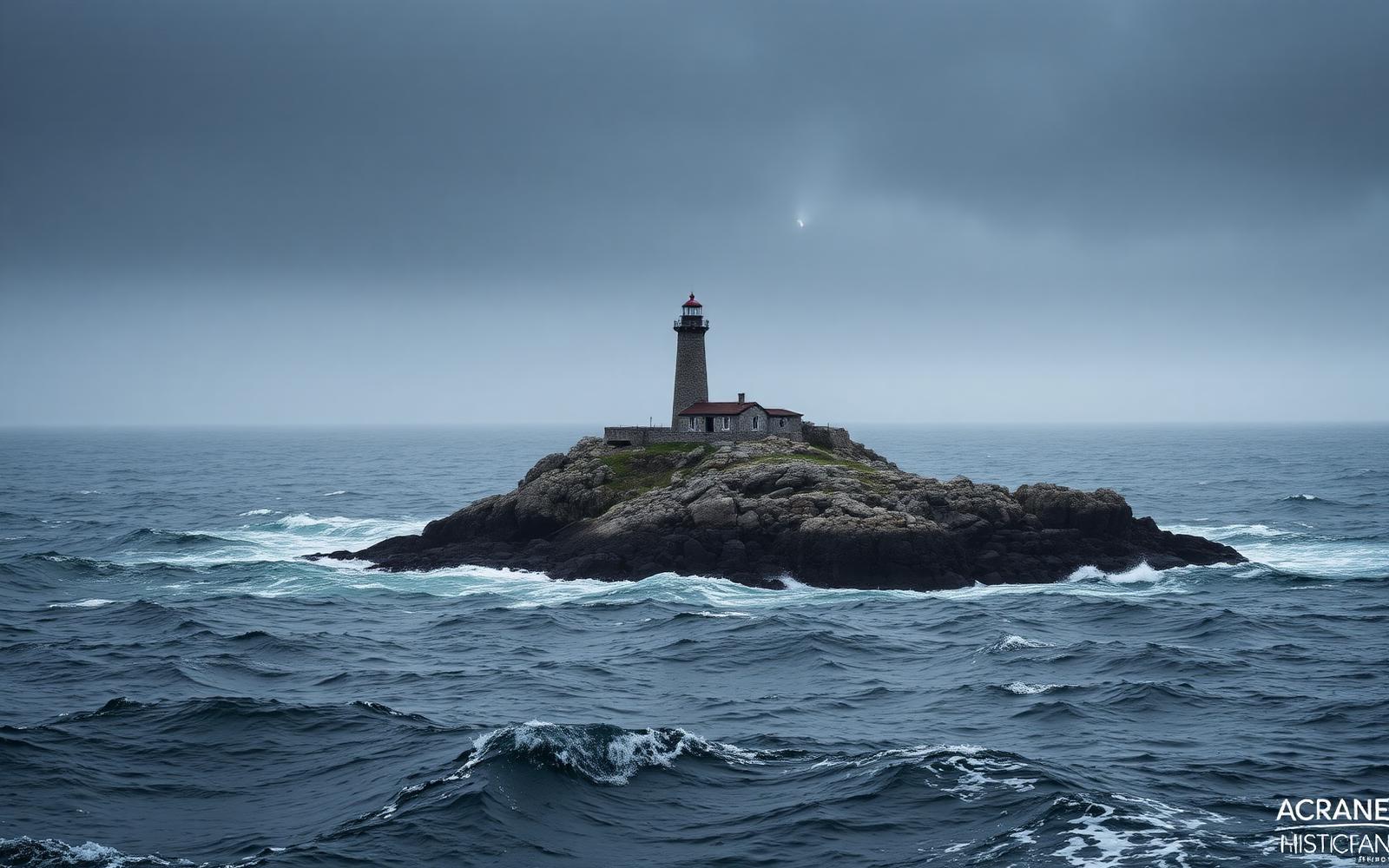
What Really Happened at the Flannan Isles
A powerful storm, three lighthouse keepers, and a mystery that has puzzled people for over a hundred years, all wrapped around a remote island lighthouse.
17 July 2026 · 7 min read
Rate This Destination
What do you think of this destination? Share your rating with the GeisTrack community.
Community Rating
No ratings yet. Be the first to rate this destination.
Visitor opinion only — separate from the GeisTrack editorial mystery ratings above.
Been here? Share your experience
Have you visited this place? Tell other GeisTrack travelers what it was really like. Your experience may help someone plan their own visit.
No comments yet
No traveler comments yet. Be the first to share your thoughts.